FitKid Club

Uncategorized

Uncategorized

Kids Fitness Programs: 7 Powerful Benefits for Growth & Confidence

Kids Fitness Programs: 7 Powerful Benefits for Growth & Confidence Picture this: your 8-year-old walks into a room full of strangers, introduces herself without hesitation, and dives into a new activity with zero fear. Now imagine that same child six months ago, shy, anxious, and clinging to your leg.   What changed? She joined a kids fitness program.   As a parent in today’s screen-heavy world, you already know how hard it is to pull children away from devices and into meaningful activity. But here’s what most parents don’t realize: kids fitness programs do far more than burn calories. They shape character, build resilience, and lay the foundation for a lifetime of healthy habits.   Let’s look at what the research says, and what it actually means for your child. Why Structured Fitness Matters More Than Free Play Alone There’s nothing wrong with letting kids run freely in the backyard. But structured fitness programs offer something that unstructured play simply cannot: consistent skill progression, expert guidance, and measurable confidence growth.   According to a comprehensive review published in PLOS One, supervised physical activity interventions show significant positive effects on children’s self-concept and self-worth. The more regular and intentional the exercise, the better the outcomes across physical, emotional, and cognitive development.   In 2025, more than 64% of families globally prioritized organized fitness programs for their children to reduce sedentary behavior and improve motor skills, and that number keeps rising. 7 Research-Backed Benefits of Kids Fitness Programs 1. Stronger Bones and Muscles During the Growth Years Childhood is the most critical window for bone development. Regular physical activity increases bone mineral content and mineral density in children, leading to greater strength and stability of the skeleton. Structured programs that include age-appropriate weight-bearing activities, jumping, climbing, resistance, give growing bodies exactly what they need.   2. Genuine Confidence That Lasts Beyond the Gym This one surprises many parents. Researchers who reviewed 22 studies found the strongest evidence for improvements in physical self-perceptions, which accompanied enhanced self-esteem in the majority of children who participated in physical activity. Every time your child learns a new skill, kicks a goal, completes a circuit, nails a balance pose, their brain logs it as proof that I can do hard things. That internal shift carries into classrooms, friendships, and challenges for years to come.   3. Better Focus and Academic Performance A tired, fidgety child cannot learn effectively. The benefits of regular physical training include improved subjective well-being, greater self-esteem, better emotional regulation, and overall improvement in cognitive function. Children who exercise regularly are better equipped to sit, concentrate, retain information, and manage school-day stress. Fitness isn’t the opposite of academics, it’s the fuel that powers them.   4. Emotional Regulation and Mental Wellness Physical activity stimulates the release of endorphins, the “feel-good” hormones, which reduce stress, anxiety, and symptoms of depression. Regular exercise also boosts self-esteem, improves body image, and promotes a positive self-perception. For children navigating social pressures and big emotions, having a physical outlet isn’t optional, it’s essential.   5. Social Skills and Teamwork Whether through team sports, group activities, or family outings, physical activity offers children opportunities to interact with others, develop social skills, and build self-confidence. Organized sports and fitness programs teach children valuable life skills such as teamwork, communication, and leadership. In a kids fitness class, your child learns to cheer for others, accept feedback, take turns, and collaborate, social muscles that no screen can train.   6. A Growth Mindset and Resilience Through sports and active play, kids encounter moments of failure, perseverance, and growth that help them develop a strong sense of self. Physical activity gives children a space where effort is celebrated, which can shape a growth mindset and buffer against perfectionism. This resilience, built one small fitness win at a time, follows children into adulthood.   7. Healthy Habits Wired Early Habits formed in childhood tend to stick. Children who participate in regular fitness programs are significantly more likely to remain active as teenagers and adults. You’re not just investing in today’s health, you’re programming tomorrow’s lifestyle. Modern Challenges Parents Face (And How Fitness Programs Help) Let’s be real. You’re juggling work, school runs, meals, and screen time battles, all before 9 AM. Here’s where a structured kids fitness program quietly solves several problems at once: Screen addiction: Gives children a compelling, physical alternative they want to show up for Low energy and poor sleep: Regular activity improves sleep quality and daytime energy levels Social anxiety: Group fitness settings build social comfort in a non-academic environment Sedentary routines: Modern lifestyles characterized by increased screen time, urbanization, and limited access to safe outdoor spaces have contributed significantly to declining physical activity levels among children, structured programs directly counter this. What to Look for in a Quality Kids Fitness Program Not all programs are created equal. Here’s what expert-designed children’s fitness looks like: Age-appropriate structure: Activities matched to developmental stages (not watered-down adult workouts) Qualified coaches: Instructors trained in child development and youth physical education Positive environment: Encouragement-based, not performance-pressure-based Variety of movement: Cardio, strength, flexibility, coordination, and balance, all covered Fun as a foundation: The best program is the one your child loves attending Practical Tips for Parents: How to Get Started Start with one session a week – consistency matters more than frequency initially Let your child choose the activity – buy-in increases commitment Celebrate effort, not just results – “You worked so hard today” goes further than “Did you win?” Be an active role model – children mirror what they see at home Communicate with coaches – good programs welcome parental involvement In Summary Kids fitness programs are one of the most impactful investments you can make in your child’s overall development. Beyond physical health, they build the confidence, resilience, focus, and social skills that shape well-rounded, happy children. The CDC recommends at least 60 minutes of moderate-to-vigorous physical activity daily for school-aged children, and a structured fitness program makes that goal achievable, sustainable, and

Uncategorized

Childhood Obesity in India: What Every Parent Must Know

Childhood Obesity in India: What Every Parent Must Know India’s Children Are at Risk, And Most Parents Don’t See It Coming You feed your child lovingly. You pack their lunchbox. You celebrate their appetite. But here is a truth that is difficult to hear: India now ranks second globally for childhood obesity, with over 41 million school-age children living with a high BMI, and 14 million of those classified as living with obesity. This is not a Western problem that arrived at our doorstep. It is already inside our homes, our schools, and our children’s daily routines. And the most alarming part? Many parents still do not recognise it. As a parent aged between 25 and 45, you are raising a child in one of the most nutritionally confusing times in history, where junk food is cheaper than fruit, screens are more engaging than playgrounds, and “healthy” labels on packets often mean nothing. Understanding childhood obesity in India is not about blame. It is about awareness, action, and giving your child the best possible start. What Is Childhood Obesity, And How Is It Measured? Childhood obesity is not simply about a child looking “chubby.” It is a medical condition where excess body fat negatively affects a child’s health, development, and quality of life. In India, doctors typically use the Indian Academy of Pediatrics (IAP) BMI charts, which account for the fact that Indian children tend to accumulate fat at lower body weight thresholds compared to Western children. A child whose BMI falls above the 95th percentile for their age and sex is considered obese. If you are unsure about your child’s weight status, speak with your paediatrician. A simple BMI reading at the next check-up can tell you a great deal. Why Is Childhood Obesity Rising So Fast in India? This is not happening by accident. Several powerful forces are working together, and they are deeply embedded in modern Indian family life.   1. Ultra-Processed Foods Have Replaced Traditional Diets Ultra-processed food consumption in India surged from USD 900 million in 2006 to USD 37.9 billion in 2019, growing at over 33% annually. Packaged snacks, instant noodles, sugary beverages, and fast food are no longer occasional treats. For many children, they have become daily staples.   2. Physical Activity Has Nearly Disappeared Nearly 74% of Indian adolescents do not meet the recommended levels of physical activity. With longer school hours, heavy homework loads, and increasing screen time, children are spending most of their waking hours sitting down.   3. Screen Time Is Fuelling the Problem Twice Over It is not just that screens replace movement. Children watching more than 2 hours of daily screen content show a 30% higher likelihood of being overweight, and 58% of digital food advertisements viewed by Indian children promote ultra-processed products. Your child is being marketed to constantly, and it is working.   4. The “Healthy Fat Baby” Myth In many Indian families, a well-fed, round child is still seen as a sign of good parenting and prosperity. Paediatric obesity in India carries a persistent cultural stigma that is frequently framed by caregivers, and sometimes by clinicians, as a sign of prosperity rather than a health concern. This mindset delays early intervention and makes honest conversations harder. What Happens If Childhood Obesity Goes Untreated? The health consequences extend far beyond childhood. Once established in childhood or adolescence, obesity is complicated to reverse and likely to persist into adulthood. Children living with obesity face increased risks of: Type 2 diabetes at a much younger age High blood pressure and cholesterol affecting heart health Joint pain and orthopaedic problems from excess weight on growing bones Sleep disorders, including sleep apnoea Mental health challenges, low self-esteem, anxiety, and social withdrawal Poor academic performance due to fatigue and reduced concentration Unhealthy diets are now the leading contributor to India’s disease burden, accounting for 56% of it according to ICMR-NIN 2024. These are not future problems, they begin in childhood. Practical Steps Parents Can Take Right Now You do not need a gym membership or a nutritionist to begin making a difference. Small, consistent changes at home have the greatest long-term impact. At the dining table: Replace packaged snacks with seasonal fruits, roasted chana, or makhana Cook with less refined oil; choose whole grains like millets and brown rice Eat meals together as a family, children who eat with parents have better food choices Avoid using food as a reward or punishment For daily movement: Aim for at least 60 minutes of physical activity per day for children aged 5–17 (WHO recommendation) Choose active play over screen time after school Walk to nearby destinations instead of always using vehicles Enrol your child in a structured fitness activity they genuinely enjoy At home: Set clear screen time limits, no devices during meals or an hour before bed Get adequate sleep; poor sleep directly affects hunger hormones in children Lead by example, children mirror the habits of parents they trust When Should You See a Doctor? If your child’s weight has increased noticeably over a short period, if they are consistently tired, if they snore heavily during sleep, or if they complain of joint pain, consult a paediatrician. Early assessment makes intervention far more effective and manageable. Conclusion: Prevention Starts at Home, Not in a Hospital By 2040, the number of Indian children living with obesity could reach 20 million, with nearly 56 million falling into the overweight or obese category, unless urgent action is taken.   That action starts with informed, empowered parents like you. Childhood obesity in India is a serious public health concern, but it is not inevitable. With the right knowledge, consistent daily habits, and a supportive family environment, your child can grow up strong, healthy, and full of energy.   The best time to start was yesterday. The second-best time is today. Frequently Asked Questions 1. At what age can childhood obesity begin in India?Obesity can begin as early as 2–3 years of age, especially if

Uncategorized

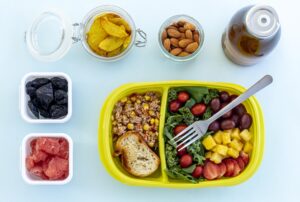
Smart Lunchbox Ideas That Kids Will Actually Eat

Smart Lunchbox Ideas That Kids Will Actually Eat You packed a beautiful, balanced lunchbox. Your child came home, and returned it almost untouched.   Every parent knows this moment. And it stings, because you care deeply about what your child eats. The truth is, a lunchbox that kids actually eat requires a little more than just good intentions. It needs the right mix of nutrition, familiarity, and yes, a touch of fun.   At Fitkid Club, we believe that healthy eating for kids starts with smart, simple choices that fit real family life. So here are practical, healthy lunchbox ideas for kids that parents across India can realistically prep on a busy morning, and that children are genuinely excited to open. Why What’s in That Lunchbox Matters More Than You Think A school lunch isn’t just a meal. It fuels your child’s focus, energy, and mood for the second half of their day.   According to pediatric registered dietitian Jennifer Hyland, RD, when lunch includes the right nutrients, children get the brain fuel they need to get through the rest of the school day. And the stakes in India are real, India’s Comprehensive National Nutrition Survey reveals that dietary shifts toward ultra-processed foods and refined carbohydrates are a key driver of poor childhood nutrition outcomes across the country.   The goal isn’t a perfect lunchbox every day. The goal is a good enough lunchbox, consistently. The 5-Block Formula for a Balanced Kids’ Lunchbox Think of building a lunchbox like stacking building blocks. Each block fills a nutritional gap. Aim for one item from each category: Protein – keeps energy steady and focus sharp Whole grain or complex carb –the slow-burning fuel kids need Fruit – natural sugar, vitamins, hydration Vegetable – fibre, micronutrients, gut health Something snacky – a small treat that makes the whole box feel exciting By hitting all five categories, children get balanced nutrition that supports both their physical growth and cognitive performance throughout the school day. 10 Smart Lunchbox Ideas Kids Will Actually Eat 1. Mini Chapati Wraps with Paneer and Veggies Paneer is an excellent protein source for vegetarian kids. Roll it into a small chapati with grated carrot, cucumber, and a smear of curd-based dip. Easy to eat, familiar, and filling.   2. Boiled Egg with Whole Grain Crackers A single hard-boiled egg delivers around 6 grams of protein, making it one of the most efficient, compact protein sources you can pack. Pair it with whole grain crackers and a handful of grapes for a complete mini-meal.   3. Rice and Dal Tiffin (Yes, the Classic Works) Don’t underestimate the humble dal-chawal. Nutritionists recommend building a filling lunchbox base around complex carbohydrates paired with lean proteins to keep energy levels sustained through the afternoon. A small portion of dal (protein) with rice (carb) is scientifically sound, and kids know the taste.   4. Bento-Style Snack Box Compartmentalised boxes make lunch feel like an event. Fill each section with: cheese cubes, cucumber rounds, a small roti, and a fruit like banana or chikku. Bento-style boxes are excellent for keeping lunchbox meals organised, especially when broken into clear categories like protein, carb, and fruit.   5. Idli with Sambar in a Thermos Warm food in a thermos is underused by Indian parents. Mini idlis hold up well, and sambar packs protein and vegetables in one go. It’s comforting, digestible, and familiar.   6. Peanut Butter and Banana Sandwich on Brown Bread Peanut butter is a protein and healthy fat powerhouse. Pair it with banana slices on brown bread and you have a lunch that covers protein, carbs, potassium, and healthy fats, in under three minutes of prep time.   7. Pasta Salad with Vegetables Cook whole wheat pasta the night before. Toss with diced tomato, corn, cucumber, and a mild olive oil dressing. Kids love the colours, and you control what goes in. Pasta salad is a great option when stripped back to simple ingredients, a familiar base with one or two mix-ins kids will genuinely try.   8. Sprouts Chaat (Yes, Kids Will Eat It – If You Make It Fun) Mild sprouts chaat with a squeeze of lemon, chopped cucumber, and a pinch of chaat masala is a fibre-and-protein-rich option many Indian kids actually enjoy. Keep it mild, serve in a small container.   9. Oats Energy Balls (Prep on Sunday, Use All Week) Mix oats, peanut butter, honey, and dark chocolate chips. Roll into balls. Refrigerate. These require zero morning effort, pack well, and kids treat them like a treat, when they’re actually wholesome. 10. Fruit + Yoghurt Parfait Layer thick curd, sliced mango or strawberry, and a sprinkle of granola in a small jar. It looks exciting, it’s naturally sweet, and it covers calcium, probiotics, and vitamins in one go. 3 Practical Tips to Make Sure Kids Actually Eat It Involve your child in choosing. Kids who help choose their lunch food are significantly more likely to eat it, the more involved they are in the process, the better the outcome. Let them pick the fruit or the cracker type. Don’t send something completely new. Nutrition experts recommend reserving new foods for home meals and sending only familiar items in the lunchbox, to ensure children have enough to eat during the school day. Rotate every week. Eating the same lunch repeatedly leads to rejection. Build a simple rotation of 4–5 ideas you know your child likes, and cycle through them. A Note on Morning Reality You have 20 minutes. Maybe 15. That’s the real constraint every parent faces, and no lunchbox guide is useful if it ignores that.   The ideas in this article are designed to be prepped the night before or assembled in under 10 minutes. Most use ingredients already in an Indian kitchen. The goal is not Instagram-worthy, the goal is eaten. The Long-Term Picture: Why This Matters Beyond Today Helping your child develop a healthy relationship with sugar today lays the foundation for lifelong health. Children who

How Sugar Affects Your Child's Energy & Behavior
Uncategorized

How Sugar Affects Your Child’s Energy & Behavior

How Sugar Affects Children’s Energy & Behavior: What Every Parent Should Know Picture this: your child tears open a packet of biscuits after school, bounces off the walls for twenty minutes, and then, out of nowhere, bursts into tears over something tiny. Sound familiar? If you’ve ever watched this play out in your home, you’re not imagining things. Sugar and children’s behavior are closely linked, and understanding that connection can genuinely change how you feed your family. As parents, we want our kids to be energetic, focused, and emotionally steady. But the modern food environment, packed with sugary juices, packaged snacks, and colourful cereals, makes that harder than it should be. Let’s break down exactly what sugar does inside your child’s body, why it matters, and what you can do about it starting today. What Happens in Your Child’s Body After Eating Sugar When your child eats a sugary food or drink, their blood glucose level rises rapidly. The pancreas responds by releasing insulin to bring that sugar back down. For children, whose bodies are still developing metabolic regulation, this spike-and-drop cycle is particularly sharp. Here’s what that looks like in real life: The sugar rush: A brief burst of energy and excitement (the part kids love) The crash: Within 30–60 minutes, blood sugar drops, leading to fatigue, irritability, and difficulty concentrating The craving: Low blood sugar triggers hunger again, often for more sugar, restarting the cycle This rollercoaster is not just uncomfortable. Over time, it interferes with your child’s ability to focus in school, regulate emotions, and maintain consistent energy throughout the day. Does Sugar Actually Cause Hyperactivity? This is one of the most Googled questions parents ask, and the honest answer is nuanced.   The popular belief that sugar directly causes hyperactivity has not been confirmed by controlled scientific studies. Research has shown that in double-blind trials, parents who were told their children had consumed sugar rated their child’s behaviour as more hyperactive, even when the child had consumed none. This suggests that parental expectation plays a significant role.   However, that doesn’t mean sugar has no effect on behaviour.   What science does confirm is this: excess sugar affects mood, concentration, sleep quality, and emotional stability in children, all of which indirectly show up as difficult behaviour. A child who is tired from poor sleep caused by late-night sugar intake, or irritable from a blood sugar crash, is going to behave differently. The impact is real, even if the mechanism is more complex than a simple “sugar = hyperactivity” equation. The Hidden Sugar Problem: It’s Everywhere Most parents are aware that sweets and soft drinks are sugary. What many don’t realise is how much added sugar hides in everyday foods marketed to children: Packaged fruit juices (even “100% natural” ones) Flavoured yoghurt and milk drinks Breakfast cereals, including “healthy” ones Ketchup, sauces, and ready-made curries Biscuits, rusks, and “digestive” crackers Energy bars and granola snacks The World Health Organization (WHO) recommends that added sugars make up less than 10% of a child’s total daily energy intake, and ideally below 5%. For a school-age child consuming around 1,600 calories per day, that translates to roughly 6–8 teaspoons of sugar. A single can of cola contains approximately 9 teaspoons. Many children unknowingly exceed this limit before noon. How Sugar Affects Your Child’s Energy Levels Through the Day Children need steady, sustained energy to learn, play, and grow. Sugar provides a fast but fleeting energy source. Here’s how it disrupts their natural energy rhythm: Morning: A sugary breakfast (sweetened cereal, flavoured milk, white bread with jam) causes an early blood sugar spike. By mid-morning, your child is already fatigued and restless in class. Afternoon: A packaged snack post-school restarts the spike-and-crash cycle. Many children experience what parents describe as an “afternoon meltdown”, which is often a direct consequence of blood sugar instability. Evening: Sugary treats or desserts close to bedtime can disrupt the body’s natural wind-down process, affecting sleep quality, which then impacts the following day’s mood and energy all over again. This is why nutrition experts consistently emphasise the importance of complex carbohydrates, proteins, and healthy fats as the foundation of children’s meals. These nutrients release energy slowly and steadily, supporting focus and emotional balance throughout the day. Practical Tips for Parents: Reducing Sugar Without the Battle The goal is not to demonise sugar entirely. Occasional treats are a normal part of childhood. The aim is to reduce excess added sugar and build better everyday habits. 1. Rethink breakfast Swap sugary cereals for oats with banana and a drizzle of honey, whole wheat toast with peanut butter, or eggs with vegetables. Protein in the morning dramatically improves sustained energy and concentration. 2. Read food labels together Make it a habit to check ingredient lists. If sugar (or any of its disguises, glucose syrup, corn syrup, dextrose, maltose, fructose) appears in the first three ingredients, it belongs in the “occasional” category. 3. Upgrade snack time Replace packaged biscuits with fruits, a small handful of nuts, cheese, or homemade chikki. Children who eat nutrient-dense snacks are less likely to crave sugar an hour later. 4. Make water the default drink Juices, flavoured milk, and soft drinks are among the biggest sources of hidden sugar for children. Water, coconut water, or homemade buttermilk are hydrating without the sugar spike. 5. Don’t use sugar as a reward When sweets become the reward for good behaviour or finishing vegetables, it elevates their emotional value and increases cravings. Try non-food rewards, a fun activity, extra play time, or a sticker chart. 6. Keep dinner savoury and balanced A balanced dinner of whole grains, dal or lean protein, and vegetables helps stabilise overnight blood sugar and supports better sleep quality and morning mood. The Long-Term Picture: Why This Matters Beyond Today Helping your child develop a healthy relationship with sugar today lays the foundation for lifelong health. Children who regularly consume excess added sugar are at higher risk of developing: Obesity and related metabolic conditions

Healthy Indian Breakfast Ideas for Active Kids
Uncategorized

7 Healthy Indian Breakfast Ideas Active Kids Will Actually Eat

7 Healthy Indian Breakfast Ideas That Fuel Your Active Kid All Day It’s 7 AM. Your child has a full school day ahead, followed by football practice or dance class. You’re racing against the clock, and somehow, breakfast is the first thing that gets compromised. Sound familiar? Here’s what most parents don’t realize: that one meal sets the tone for your child’s energy, focus, and physical performance for the entire day. Research published in Frontiers in Human Neuroscience confirms that children who eat a quality breakfast consistently show better cognitive performance, sustained attention, and improved academic outcomes. For active kids, the stakes are even higher. The good news? Healthy Indian breakfast ideas for active kids don’t have to be complicated, exotic, or time-consuming. Indian cuisine already holds a treasure trove of nutritionally dense, kid-friendly foods that have fueled generations of energetic children. You just need the right combinations. Why Breakfast Is Non-Negotiable for Active Children Before we get to the recipes, let’s talk about the why, because when you understand what’s at stake, breakfast stops feeling like a chore and starts feeling like a superpower.   Active kids burn significantly more energy than sedentary children. Their muscles need glycogen, their brains need glucose, and their growing bones need a steady supply of calcium and iron, all of which must come from food. Skipping breakfast forces the body to draw on reserves, leaving children tired, irritable, and unable to perform at their best by mid-morning.   Kids who eat breakfast tend to make healthier food choices throughout the day, have more sustained energy, and are more likely to participate in physical activities. On the flip side, skipping breakfast often leads to mid-morning hunger, poor snack choices, and overeating later in the day, which directly affects a child’s fitness journey. What Makes a Breakfast “Active Kid-Approved”? A performance breakfast for your child should tick three boxes: Complex carbohydrates for slow, sustained energy release (think whole grains, millets, oats) Quality protein to support muscle repair and growth (eggs, paneer, dal, curd) Healthy fats and micronutrients for brain function and immunity (nuts, seeds, vegetables) Using whole wheat, semolina, and flattened rice provides a steady release of energy, helping kids avoid the “sugar crash” associated with many sweet breakfast options. With that framework in mind, here are seven powerful, parent-tested Indian breakfast ideas your active child will genuinely enjoy. 7 Healthy Indian Breakfast Ideas for Active Kids 1. Moong Dal Cheela (Green Gram Pancakes) This is a protein powerhouse hiding in plain sight. Made from ground green moong dal, cheelas are quick to whip up, naturally gluten-free, and packed with plant-based protein and fiber. Add finely chopped spinach or grated carrots for extra micronutrients. Serve with mint chutney or a dollop of curd on the side. Why it works: High protein content supports muscle recovery after sports. The fiber keeps hunger at bay until lunch.   2. Ragi Porridge or Ragi Dosa Ragi (finger millet) is one of India’s most underutilized superfoods for children. Ragi porridge is packed with calcium, iron, and other essential nutrients, is easy to digest, and keeps kids full for longer, making it ideal before a long school day or an evening sports session. Ragi dosa made with sprouted ragi flour is an excellent option for older kids who prefer something crispy. Pair it with sambar for a complete protein-and-mineral meal.   3. Vegetable Poha (Flattened Rice Stir-Fry) Poha is a classic for a reason. Light, easy to digest, and ready in under 10 minutes, it delivers a gentle energy boost without feeling heavy. Load it with peas, carrots, and a handful of roasted peanuts for added crunch and protein. A squeeze of lemon adds Vitamin C, which enhances iron absorption, a detail most parents overlook but nutritionists swear by.   4. Egg and Veggie Paratha (Whole Wheat) For non-vegetarian families, a whole wheat paratha stuffed with scrambled eggs and finely chopped vegetables is one of the best balanced breakfast meals you can offer an active child. Dishes like vegetable paneer paratha provide a wholesome blend of proteins, healthy fats, and fiber for a strong start to the day. Substitute eggs with crumbled paneer for a vegetarian version that’s equally rich in protein and calcium.   5. Oats Idli with Sambar Traditional idli gets a modern nutritional upgrade when you replace half the rice batter with oats. The result is a softer, fiber-richer idli that digests well and provides sustained energy. The fermentation process in the batter also promotes gut health, something increasingly recognized as vital for immunity and overall wellness. Pair with a warm bowl of sambar loaded with drumstick, tomatoes, and onions for a complete, micronutrient-rich meal.   6. Sprouted Moong Salad Bowl (For Older Kids) If you have a child aged 10 and above who plays competitive sports, a sprouted moong salad with pomegranate, cucumber, and a pinch of chaat masala is a brilliant pre-activity snack or light breakfast. Any sprouts work well here, moong is colorful and fun, and adding pomegranate gives natural sweetness to the mix. Sprouts are rich in enzymes, B vitamins, and plant-based protein. They’re also incredibly easy to prepare the night before.   7. Banana and Nut Butter Whole Wheat Toast On rushed mornings when cooking isn’t possible, whole wheat toast with natural peanut butter or almond butter, topped with banana slices, is a no-fuss winner. It delivers complex carbs, healthy fats, potassium, and protein in under three minutes. Keep a stock of good-quality nut butter at home and you’ll never skip breakfast again. Quick Tips for Busy Parents Prep the night before: Soak dal for cheela or ragi batter. Set out ingredients. Five minutes of evening prep saves twenty in the morning. Rotate across the week: Kids get bored easily. Cycling through five to seven options keeps breakfast exciting rather than a battle. Involve your child: Kids who help make their food are significantly more likely to eat it willingly. Pair breakfast with hydration: A glass of warm water with lemon

Uncategorized

Top Superfoods for Kids’ Brain Development

Top Superfoods for Kids’ Brain Development Every parent has watched their child stare blankly at a homework page, struggle to concentrate, or come home from school mentally exhausted, and wondered if there’s something more they can do. The truth is, the answer might be sitting right in your kitchen. What your child eats every single day has a profound, measurable impact on how their brain grows, how well they focus, and how effectively they learn. And the exciting part? superfoods for kids’ brain development are not exotic or expensive, most of them are foods you already know.   The brain is not just another organ. It is the most metabolically active part of the human body, consuming nearly 20% of total energy despite weighing only about 2% of body weight. During childhood, the brain is in its most critical window of growth, forming billions of neural connections that will shape learning, memory, emotional regulation, and problem-solving for life. What fuels this process is, quite literally, what your child eats.   Here is your expert-backed guide to the most powerful brain foods for children, and practical ways to get them on the plate. Why Nutrition Matters So Much for Your Child’s Brain Before we get to the specific foods, it helps to understand what the brain actually needs to function at its best.   Key nutrients for child brain growth include omega-3 fatty acids like DHA, which support brain cell structure and communication; choline, which helps produce neurotransmitters linked to memory; and iron, which supports oxygen delivery and cognitive function.   When children consistently consume diets high in processed foods, sugar, and nutrient-poor snacks, it reduces their intake of essential vitamins and minerals needed for healthy neural development, affecting concentration, memory, and even behaviour at school.   The good news is that the reverse is equally true. Consistent access to the right nutrients can meaningfully improve how a child thinks, remembers, and learns. The Best Superfoods for Kids’ Brain Development 1. Eggs – The Original Brain Food Eggs deserve the top spot on this list, and not just because kids love them. Eggs are among the best foods for kids’ memory because they are rich in choline, a nutrient that helps produce acetylcholine, a neurotransmitter essential for memory and learning. The protein in eggs also provides amino acids needed to make other important brain chemicals. Two whole eggs a day provide the choline that children aged 8 and younger need. Whether scrambled, boiled, or folded into a paratha, eggs are one of the most accessible and child-friendly brain foods available to Indian families.   2. Fatty Fish – DHA for a Sharper Mind Research consistently demonstrates that children with adequate omega-3 intake perform better on cognitive tests and show improved attention spans. Results from a 16-week study showed that 1,300 mg daily of omega-3 fatty acids improved attention in boys both with and without ADHD. Salmon, sardines, and rohu are excellent sources of DHA and EPA, the two omega-3 forms most critical for brain structure and function. Aim for two to three servings of fatty fish per week, served as a curry, grilled fillet, or sandwich filling.   3. Berries – Tiny Fruits with Big Brain Power Blueberries earn their reputation as a superfood through their high concentration of anthocyanins,  antioxidants that cross the blood-brain barrier and accumulate in brain regions responsible for learning and memory. Research shows that children who eat blueberries regularly perform better on memory tasks. Strawberries, mulberries, and amla (Indian gooseberry) offer similar benefits through their flavonoid and Vitamin C content, which protects brain cells from oxidative damage and supports the formation of new neural pathways.   4. Leafy Greens – Iron and Folate for Focus Getting children to eat their greens is one of parenting’s oldest battles — but it is worth fighting. Leafy greens are rich in iron and folate, two essential nutrients during periods of rapid brain development. One of iron’s main tasks is to increase blood flow to brain cells, that is how the brain receives oxygen. Iron deficiency in childhood makes simple mental tasks feel more difficult, and children may find concentrating, remembering, and problem-solving unusually challenging. Leafy greens like spinach and kale also provide Vitamin K and lutein, nutrients that support cognitive function. Blend them into a smoothie, mix them into dal, or sneak them into a paratha stuffing if your child resists eating them whole.   5. Nuts and Seeds – Steady Brain Energy All Day Walnuts, almonds, flaxseeds, and pumpkin seeds are nutritional powerhouses that provide a combination of healthy fats, Vitamin E, zinc, and plant-based omega-3s, all of which are critical for maintaining healthy nerve function and protecting brain cells from damage. A Harvard nutritionist recommends chia seeds and walnuts as excellent plant-based sources of omega-3 fatty acids, fibre, and protein for children’s brain health. A small handful of mixed nuts as an after-school snack is one of the simplest upgrades you can make to your child’s diet today.   6. Oats and Whole Grains – Fuel for Sustained Concentration The brain runs on glucose, but the type and source of that glucose matters enormously. Refined carbohydrates (white bread, biscuits, sugary cereals) cause sharp blood sugar spikes followed by crashes that leave children unable to focus. Porridge oats are a low glycaemic index food, and research found that eating a low GI breakfast was beneficial for cognitive function in children during the school morning. Oats, whole wheat rotis, brown rice, and millets like ragi and jowar provide sustained, steady brain fuel, exactly what a child needs to stay sharp through a full school day.   7. Yogurt – The Gut-Brain Connection Yogurt delivers high-quality protein alongside gut-friendly probiotics, which researchers are increasingly linking to improved mood and brain function. Look for labels that say “live active cultures” to ensure the probiotics are active. The gut-brain axis is one of the most exciting areas of modern neuroscience. A healthy gut microbiome supports better mental clarity, emotional regulation, and

Uncategorized

How Exercise Reduces Anxiety & Stress in Children

How Exercise Helps Reduce Anxiety & Stress in Children Does your child come home irritable after school, struggle to fall asleep at night, or seem overwhelmed by things that used to be easy? You’re not imagining it, and you’re not alone. Childhood anxiety and stress are quietly rising across India, and millions of parents are searching for answers. The good news? One of the most effective and natural solutions may already be within your reach: regular exercise for anxiety in children. This isn’t just a feel-good idea. It’s science. Why Are So Many Children Anxious and Stressed Today? Modern childhood looks very different from even a decade ago. Between academic pressure, competitive exams, reduced outdoor time, and rising screen usage, today’s children are navigating a great deal of emotional weight. According to a UNICEF and Gallup survey, only 41% of young Indians aged 15 to 24 believe it is helpful to seek support for mental health concerns, which means a huge portion of struggling children never get the help they need. Research on Indian school children has found that nearly 48.78% of adolescent girls reported three or more symptoms of mental health problems including anxiety, depression, and psychosocial distress. Even younger children are not immune. Exam fear, peer pressure, social comparison, and lack of physical play are fuelling a quiet mental health crisis in Indian households, and parents urgently need practical tools to address it. What Science Says: Exercise and the Anxious Child’s Brain When your child runs, jumps, dances, or plays, something remarkable happens inside their brain.   Exercise benefits mental health through both psychological and neurobiological mechanisms. Psychologically, it enhances self-efficacy, provides distraction from negative thoughts, and improves mood through endorphin release. Neurobiologically, it increases brain-derived neurotrophic factor, promotes neuroplasticity in mood-regulating brain regions, and reduces cortisol, the body’s primary stress hormone.   In simpler terms: physical movement literally rewires a child’s brain to handle stress better.   A 2025 meta-analysis involving 2,093 children and adolescents confirmed that aerobic exercise significantly reduced both anxiety and depression symptoms, making it one of the most evidence-backed interventions available to parents today. 5 Powerful Ways Exercise Reduces Anxiety in Children 1. It Burns Off Stress Hormones Naturally When children are stressed, their bodies flood with cortisol and adrenaline, the same hormones triggered in a “fight or flight” response. Physical activity gives those hormones somewhere productive to go, helping the body return to a calm state faster. A 20-minute outdoor run can do more for your child’s mood than an hour of screen time.   2. It Triggers the Brain’s Feel-Good Chemicals Exercise stimulates the release of endorphins, serotonin, and dopamine, the brain’s natural mood-lifters. Research shows that exercise regulates serotonin, dopamine, and norepinephrine systems, which are critical for mood stabilisation in young people. These are the same chemicals that many anxiety medications try to target, only exercise delivers them for free, with zero side effects.   3. It Builds Emotional Resilience Children who move regularly don’t just become physically stronger, they become emotionally tougher. They learn to push through discomfort, manage frustration, and bounce back from failure. These micro-experiences on the playground or in a fitness class translate directly into how your child handles academic setbacks or social challenges.   4. It Improves Sleep Quality Anxiety and poor sleep form a vicious cycle in children. Exercise breaks that cycle. When kids tire their bodies through physical activity, they fall asleep faster, sleep more deeply, and wake up with a calmer, more regulated nervous system, which makes stressors feel far more manageable.   5. It Builds Confidence and Social Connection Team sports, group fitness activities, and even play dates where children move together foster a strong sense of belonging and self-worth. A child who feels capable in their body is far less likely to be overwhelmed by anxiety. This confidence becomes a protective shield against stress. How Much Exercise Does Your Child Actually Need? The WHO recommends that children aged 5–17 get at least 60 minutes of moderate to vigorous physical activity every day. Yet most Indian urban children fall far short of this, spending 6–8 hours daily seated in classrooms or in front of screens. Research reveals that even low- to moderate-intensity exercise is beneficial for mood improvement and psychological resilience, reducing negative emotions such as anxiety and stress in young people. This means your child doesn’t need to train like an athlete. Even consistent, enjoyable movement makes a meaningful difference. Practical Tips for Parents: Making Exercise a Daily Habit Getting an anxious or reluctant child to exercise isn’t always easy. Here’s what actually works: Make it fun, not a chore. Let your child choose the activity, dancing, cycling, swimming, football, or even jumping rope all count. Move together as a family. A post-dinner walk or weekend bike ride builds healthy habits and family bonds simultaneously. Limit screen time strategically. Replace one hour of daily screen time with outdoor activity. The difference in your child’s mood will often be visible within days. Sign them up for a structured program. Consistency is key, and children respond well to guided, age-appropriate fitness activities with peers. Celebrate effort, not performance. The goal is movement and enjoyment, not medals or competition. Signs Your Child May Need More Movement in Their Life Watch for these common indicators that your child’s stress and anxiety levels may be rising: Frequent stomach aches or headaches with no medical cause Difficulty sleeping or nightmares Increased irritability or emotional outbursts Reluctance to attend school or social events Withdrawal from friends or activities they used to enjoy If you notice these signs, introducing more structured physical activity, alongside open conversation, can make a significant positive impact. Conclusion: Movement Is Medicine for Your Child’s Mind The connection between exercise and children’s mental health is no longer just a theory, it is one of the most well-supported findings in modern paediatric research. In a world where academic pressure, screen time, and social stress are growing, physical activity offers children a natural, powerful, and

Uncategorized

Best Strength-Building Activities for Growing Children

Best Strength-Building Activities for Growing Children Be honest, when was the last time your child spent an hour running, climbing, or playing outside without being pulled back to a screen? If that stings a little, you’re not alone. Across India and globally, children are sitting more than any previous generation, in classrooms, in cars, and in front of devices.   The result? Pediatric health experts are seeing a troubling rise in weak posture, poor muscle endurance, and early bone density issues in children as young as 8. But here’s the good news: strength-building activities for kids don’t require a gym, heavy weights, or expensive equipment. They require just one thing, consistent, joyful movement.   This guide, built on the latest 2025 research, gives you a clear, practical roadmap to help your child build real physical strength in ways that are safe, age-appropriate, and genuinely fun. What Is Strength Training for Children? Strength training for children refers to any structured, repetitive physical activity that challenges muscles to work against resistance. Contrary to popular myth, this does not mean your 9-year-old needs to be lifting weights. For kids, strength training is typically bodyweight-based, using their own body as resistance through movements like push-ups, squats, jumping, climbing, and crawling. The World Health Organization (WHO) recommends that children aged 5–17 accumulate at least 60 minutes of moderate-to-vigorous physical activity daily, with muscle and bone-strengthening activities on at least 3 days per week. Most children today fall well short of this. Benefits of Strength-Building Activities for Growing Children The benefits go far beyond bigger muscles. Here’s what the science actually shows: Stronger bones: Weight-bearing activities stimulate bone mineral density during the years when bones are still forming, reducing fracture risk and laying a foundation for lifelong skeletal health. Injury prevention: Children with better-trained muscles are significantly less likely to get injured during sports, because strong muscles protect joints and absorb impact. Better mental health: Kids who engage in regular strength training display higher self-esteem, better mood regulation, and reduced anxiety compared to sedentary peers. Improved academic performance: A 2025 systematic review published in MDPI Children observed a positive correlation between strength levels and short-term memory capacity in primary school students. Metabolic health: Regular movement helps children maintain a healthy weight, improve insulin sensitivity, and reduce the risk of lifestyle-related conditions increasingly affecting younger populations. Confidence and coordination: Mastering physical challenges, climbing a wall, completing a circuit, winning a relay, builds real-world competence and genuine self-confidence. Best Strength-Building Activities for Growing Children (by Age) Ages 5–7: Animal Movement Games Bear crawls, crab walks, frog jumps, and donkey kicks are full-body movements that build core strength, coordination, and flexibility , disguised as pure play. No instruction manual needed. Just get on the floor with them.   Ages 5–9: Outdoor Climbing Monkey bars, climbing walls, playground structures, and even trees naturally develop grip strength, upper-body power, and spatial awareness simultaneously. This is strength training at its most instinctive.   Ages 7–12: Bodyweight Circuit Training Structured sets of squats, push-ups, lunges, and planks, done in a fun, time-based format, build real muscular endurance without any equipment. A simple 20-minute circuit, 3 days a week, is enough to see meaningful progress within 6–8 weeks.   Ages 6–14: Swimming One of the best full-body strength and cardiovascular activities for children. Water resistance builds muscle without joint stress, making it ideal for kids with growing joints or those recovering from minor injuries.   Ages 8–14: Cycling Develops lower body strength, cardiovascular fitness, and balance. Cycling also supports healthy lung development and builds the kind of outdoor independence that benefits kids mentally as much as physically.   Ages 9–14: Martial Arts Structured martial arts, karate, taekwondo, wrestling, build functional strength, flexibility, self-discipline, and focus, making them one of the most holistic physical development programs available for older children. Modern Challenges Parents Must Address Even the best routine struggles against today’s lifestyle realities: Screen addiction: Replace one daily screen hour with outdoor movement, consistently. Junk food: Muscle development needs protein. Prioritize eggs, paneer, lentils, and nuts daily. Sedentary schooling: Short movement breaks between study sessions add up significantly over time. Poor sleep: Growth hormone is released during deep sleep. Children aged 6–12 need 9–11 hours nightly, with no screens one hour before bed. Start Small. Start Now. The strongest investment you can make in your child’s future isn’t a tutor or a gadget, it’s the habit of consistent movement. Strength-building activities for kids don’t need to be complicated. They just need to happen.   Replace one screen hour with outdoor play. Do a family plank challenge before dinner. These small choices compound into a child who is physically capable, mentally resilient, and genuinely confident in their own body.   The CDC and WHO both recognize regular physical activity as one of the most powerful health interventions available, for children as young as 5. The time to start is not later. The time is now. Frequently Asked Questions At what age can children start strength training? From age 5 through play-based movement, and formal bodyweight exercises from around age 7–8 with supervision.   Is strength training safe for kids? Yes. A 2025 meta-analysis confirms supervised strength training does not damage growth plates, it actually promotes healthy bone density.   How many days per week should kids do strength activities? At least 3 days per week, as part of their recommended 60 minutes of daily physical activity.   What foods support strength development in children? Eggs, paneer, lentils, dairy, and nuts provide the protein and nutrients needed for muscle and bone development. Limit ultra-processed snacks.   Can sports alone build sufficient strength? Sports help, but 2–3 weekly bodyweight sessions complement them by addressing muscle imbalances and reducing injury risk. Join the world’s #1 Kids Fitness & Wellness Community. ✔ Designed for families everywhere ✔ Transform your child’s habits ✔ Reduce screen dependency ✔ Build confidence, energy, and lifelong wellness Get your FREE consultation now:➡ https://zfrmz.in/to4uqXcLgJjZF0iczDtI Follow FitKid on: Stay inspired with tips, workouts, and nutrition

Kids playing outdoor summer fitness games and activities together
Uncategorized

Best Summer Activities for Kids to Stay Fit

Best Summer Activities for Kids to Stay Fit Summer holidays are often every child’s favorite time of the year. However, for many parents, it can also bring concerns about excessive screen time, unhealthy snacking, irregular sleep schedules, and reduced physical activity. Finding the right summer activities for kids can help children stay active, healthy, and emotionally balanced throughout the break.   According to the World Health Organization (WHO), children aged 5–17 should engage in at least 60 minutes of moderate to vigorous physical activity daily. Yet, modern lifestyle habits often make this difficult during vacations. The good news is that fitness for kids doesn’t have to feel like a workout. With the right activities, children can stay healthy while genuinely enjoying their summer. Why Summer Physical Activity Matters for Kids Summer is the perfect opportunity to develop healthy habits outside academic pressure and structured school routines. Active children tend to have: Better focus and concentration Improved immunity and energy levels Stronger muscles and bones Better sleep quality Reduced stress and anxiety Healthier weight management More importantly, active play encourages emotional confidence and social development. What Are the Best Summer Activities for Kids? The best summer activities combine movement, fun, creativity, and social interaction. Here are some engaging options parents can encourage at home or outdoors.   1. Outdoor Adventure Games Outdoor activities naturally improve endurance, coordination, and overall fitness. Best outdoor games for kids: Cycling Obstacle races Football or cricket Skipping challenges Nature treasure hunts Water balloon games Relay races These activities help children burn energy while reducing dependency on gadgets and indoor entertainment.   2. Swimming: A Full-Body Summer Workout Swimming is one of the most effective fitness activities for children during summer. It improves cardiovascular endurance, flexibility, muscle strength, and confidence in water. Benefits of swimming for kids: Keeps the body cool during hot weather Improves lung capacity Enhances coordination and posture Supports healthy weight management For younger children, even supervised splash play can encourage movement and physical confidence.   3. Fun Home Workouts for Kids Not every family has access to outdoor play areas. Fortunately, indoor movement activities can still keep kids active. Easy fitness activities for children at home: Dance workouts Animal walks Jumping jacks Yoga for kids Balloon volleyball Mini fitness circuits Parents can turn these into family bonding sessions to make exercise feel enjoyable instead of forced. Benefits of Family Fitness Activities Children are more likely to stay active when parents participate with them. Family workouts also create positive emotional connections around health and movement. Best ways to encourage active habits: Set a daily movement routine Reduce passive screen time Plan weekend outdoor activities Celebrate consistency instead of perfection Keep fitness fun and pressure-free The American Academy of Pediatrics also recommends balancing screen usage with physical activity and outdoor engagement for healthier child development.   4. Summer Sports Camps and Group Activities Structured sports programs can help children develop discipline, teamwork, and social confidence. Popular summer sports options: Basketball Martial arts Skating Tennis Athletics Dance programs Children who participate in group fitness activities often develop stronger communication skills and emotional resilience. Signs Your Child Needs More Physical Activity Many parents may not immediately notice inactivity-related lifestyle changes. Common signs include: Constant tiredness Increased gadget dependency Low energy levels Poor sleep patterns Frequent junk food cravings Reduced outdoor interest Mood swings or irritability Encouraging consistent movement can positively impact both physical and mental wellbeing.   5. Healthy Summer Nutrition Matters Too Physical activity works best when paired with balanced nutrition. During summer vacations, children often consume more sugary drinks, processed snacks, and fast food. Healthy summer food ideas for kids: Fruit smoothies Yogurt bowls Homemade popsicles Nuts and seeds Coconut water Fresh fruits Protein-rich snacks Hydration is equally important. Active children lose fluids quickly during hot weather, making regular water intake essential. Best Ways to Reduce Screen Time During Summer One of the biggest modern parenting challenges is digital addiction. Long hours of gaming or watching videos can reduce physical activity and impact sleep quality.   Simple screen-free activity ideas: Gardening DIY crafts Dance competitions Family walks Storytelling sessions Backyard games Pet care activities Creating a structured daily routine often helps children naturally shift toward healthier habits. Conclusion Helping children stay active during holidays doesn’t require intense workout plans or strict routines. The best summer activities for kids are those that combine fun, movement, creativity, and family involvement. Small daily habits such as outdoor play, swimming, dance, or simple fitness games can significantly improve a child’s physical health, emotional wellbeing, and confidence. At a time when screen addiction and unhealthy eating habits are becoming increasingly common, encouraging active summer lifestyles can create lifelong healthy habits for children. Join the world’s #1 Kids Fitness & Wellness Community. ✔ Designed for families everywhere ✔ Transform your child’s habits ✔ Reduce screen dependency ✔ Build confidence, energy, and lifelong wellness Get your FREE consultation now:➡ https://zfrmz.in/to4uqXcLgJjZF0iczDtI Follow FitKid on: Stay inspired with tips, workouts, and nutrition guidance for kids and families: Facebook Instagram Youtube Recent Posts

Uncategorized

Core Strength for Kids: The Foundation of Confidence & Posture

Core Strength for Kids: The Foundation of Confidence & Posture In today’s screen-heavy lifestyle, many children spend long hours sitting, whether in classrooms, doing homework, or using devices. Over time, this can lead to poor posture, low energy, and reduced physical confidence. The solution isn’t intense workouts, it’s building core strength for kids in a fun, natural way.   At FitKid Club, we focus on developing strong foundations. And core strength is one of the most important building blocks for your child’s physical and mental development. What Is Core Strength? Core strength refers to the muscles around the abdomen, lower back, and pelvis. These muscles stabilize the body and support almost every movement your child makes. Core muscles help with: Maintaining posture Balancing and coordination Performing daily activities with ease Supporting overall strength and mobility A strong core is not about visible abs, it’s about functional strength and stability. Why Core Strength Matters for Kids 1. Improves Posture Poor posture is increasingly common in children due to prolonged sitting. Strong core muscles help: Keep the spine aligned Prevent slouching Reduce strain on the back and neck Good posture supports both physical health and confidence. 2. Builds Confidence Through Movement When kids feel physically capable, their confidence grows. Benefits include: Better performance in sports and play Increased willingness to try new activities Improved self-esteem Strength and confidence go hand in hand. 3. Enhances Balance and Coordination Core strength is essential for controlling body movements. It helps kids: Maintain balance Move with control and stability Perform complex movements with ease This is especially important for overall motor skill development. 4. Supports Academic Performance Strong core muscles contribute to better sitting posture and focus during study time. Impact on learning: Reduced fatigue while sitting Improved attention span Better handwriting and coordination Physical stability supports mental focus. Signs Your Child May Have Weak Core Strength Watch for these common indicators: Slouching while sitting or standing Difficulty sitting upright for long periods Poor balance or frequent falls Avoidance of physical activities Low endurance during play Early attention can prevent long-term issues. Fun Core Strength Exercises for Kids The key is to keep exercises engaging and playful, not structured like adult workouts. 1. Plank Hold (Modified) Hold a plank position for 10–20 seconds Keep it fun by turning it into a challenge Benefits: Builds stability and endurance 2. Animal Walks Bear crawl, crab walk, or frog jumps Benefits: Strengthens core while improving coordination 3. Balance Games Stand on one leg or walk on a line Benefits: Enhances stability and body control 4. Sit-Up Variations (Play-Based) Use light movements like reaching for a toy Benefits: Activates abdominal muscles safely 5. Bridge Hold Lift hips while lying on the back Benefits: Strengthens lower core and back muscles How to Build Core Strength Without “Workout Pressure” Children don’t need strict routines, they need consistent, enjoyable movement. Simple Strategies: Include 10–15 minutes of core-focused play daily Combine exercises with games and storytelling Encourage outdoor play and free movement Avoid forcing structured workouts Parent Tip: Join your child during activities. It boosts motivation and creates a positive association with movement. Long-Term Benefits of Core Strength Developing core strength early leads to: Better posture and reduced injury risk Improved athletic performance Higher confidence levels Stronger foundation for future fitness These benefits extend beyond childhood into adulthood. Conclusion: Strong Core, Strong Future Core strength is more than a physical attribute, it’s the foundation of your child’s confidence, posture, and overall development. By focusing on fun, consistent movement, you can help your child build strength without pressure or burnout. At FitKid Club, we believe in creating healthy habits that last a lifetime. You don’t need intense workouts, just simple, engaging activities that keep your child moving. Start today, build a strong core, and watch your child stand taller in every way. Join the world’s #1 Kids Fitness & Wellness Community. ✔ Designed for families everywhere ✔ Transform your child’s habits ✔ Reduce screen dependency ✔ Build confidence, energy, and lifelong wellness Get your FREE consultation now:➡ https://zfrmz.in/to4uqXcLgJjZF0iczDtI Follow FitKid on: Stay inspired with tips, workouts, and nutrition guidance for kids and families: Facebook Instagram Youtube Recent Posts

Scroll to Top