
How Exercise Helps Reduce Anxiety & Stress in Children
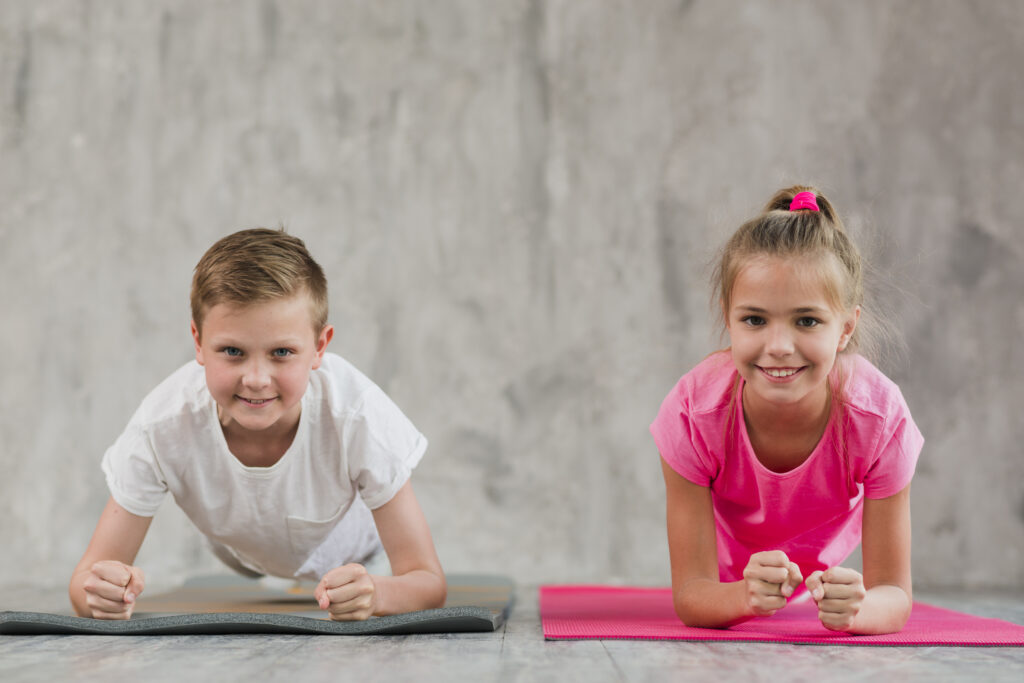
Does your child come home irritable after school, struggle to fall asleep at night, or seem overwhelmed by things that used to be easy? You’re not imagining it, and you’re not alone. Childhood anxiety and stress are quietly rising across India, and millions of parents are searching for answers. The good news? One of the most effective and natural solutions may already be within your reach: regular exercise for anxiety in children.
This isn’t just a feel-good idea. It’s science.
Why Are So Many Children Anxious and Stressed Today?
Modern childhood looks very different from even a decade ago. Between academic pressure, competitive exams, reduced outdoor time, and rising screen usage, today’s children are navigating a great deal of emotional weight.
According to a UNICEF and Gallup survey, only 41% of young Indians aged 15 to 24 believe it is helpful to seek support for mental health concerns, which means a huge portion of struggling children never get the help they need.
Research on Indian school children has found that nearly 48.78% of adolescent girls reported three or more symptoms of mental health problems including anxiety, depression, and psychosocial distress.
Even younger children are not immune. Exam fear, peer pressure, social comparison, and lack of physical play are fuelling a quiet mental health crisis in Indian households, and parents urgently need practical tools to address it.
What Science Says: Exercise and the Anxious Child's Brain
When your child runs, jumps, dances, or plays, something remarkable happens inside their brain.
Exercise benefits mental health through both psychological and neurobiological mechanisms. Psychologically, it enhances self-efficacy, provides distraction from negative thoughts, and improves mood through endorphin release. Neurobiologically, it increases brain-derived neurotrophic factor, promotes neuroplasticity in mood-regulating brain regions, and reduces cortisol, the body’s primary stress hormone.
In simpler terms: physical movement literally rewires a child’s brain to handle stress better.
A 2025 meta-analysis involving 2,093 children and adolescents confirmed that aerobic exercise significantly reduced both anxiety and depression symptoms, making it one of the most evidence-backed interventions available to parents today.
5 Powerful Ways Exercise Reduces Anxiety in Children
1. It Burns Off Stress Hormones Naturally
When children are stressed, their bodies flood with cortisol and adrenaline, the same hormones triggered in a “fight or flight” response. Physical activity gives those hormones somewhere productive to go, helping the body return to a calm state faster. A 20-minute outdoor run can do more for your child’s mood than an hour of screen time.
2. It Triggers the Brain’s Feel-Good Chemicals
Exercise stimulates the release of endorphins, serotonin, and dopamine, the brain’s natural mood-lifters. Research shows that exercise regulates serotonin, dopamine, and norepinephrine systems, which are critical for mood stabilisation in young people. These are the same chemicals that many anxiety medications try to target, only exercise delivers them for free, with zero side effects.
3. It Builds Emotional Resilience
Children who move regularly don’t just become physically stronger, they become emotionally tougher. They learn to push through discomfort, manage frustration, and bounce back from failure. These micro-experiences on the playground or in a fitness class translate directly into how your child handles academic setbacks or social challenges.
4. It Improves Sleep Quality
Anxiety and poor sleep form a vicious cycle in children. Exercise breaks that cycle. When kids tire their bodies through physical activity, they fall asleep faster, sleep more deeply, and wake up with a calmer, more regulated nervous system, which makes stressors feel far more manageable.
5. It Builds Confidence and Social Connection
Team sports, group fitness activities, and even play dates where children move together foster a strong sense of belonging and self-worth. A child who feels capable in their body is far less likely to be overwhelmed by anxiety. This confidence becomes a protective shield against stress.
How Much Exercise Does Your Child Actually Need?
The WHO recommends that children aged 5–17 get at least 60 minutes of moderate to vigorous physical activity every day. Yet most Indian urban children fall far short of this, spending 6–8 hours daily seated in classrooms or in front of screens.
Research reveals that even low- to moderate-intensity exercise is beneficial for mood improvement and psychological resilience, reducing negative emotions such as anxiety and stress in young people.
This means your child doesn’t need to train like an athlete. Even consistent, enjoyable movement makes a meaningful difference.
Practical Tips for Parents: Making Exercise a Daily Habit
Getting an anxious or reluctant child to exercise isn’t always easy. Here’s what actually works:
- Make it fun, not a chore. Let your child choose the activity, dancing, cycling, swimming, football, or even jumping rope all count.
- Move together as a family. A post-dinner walk or weekend bike ride builds healthy habits and family bonds simultaneously.
- Limit screen time strategically. Replace one hour of daily screen time with outdoor activity. The difference in your child’s mood will often be visible within days.
- Sign them up for a structured program. Consistency is key, and children respond well to guided, age-appropriate fitness activities with peers.
- Celebrate effort, not performance. The goal is movement and enjoyment, not medals or competition.
Signs Your Child May Need More Movement in Their Life
Watch for these common indicators that your child’s stress and anxiety levels may be rising:
- Frequent stomach aches or headaches with no medical cause
- Difficulty sleeping or nightmares
- Increased irritability or emotional outbursts
- Reluctance to attend school or social events
- Withdrawal from friends or activities they used to enjoy
If you notice these signs, introducing more structured physical activity, alongside open conversation, can make a significant positive impact.
Conclusion: Movement Is Medicine for Your Child's Mind
The connection between exercise and children’s mental health is no longer just a theory, it is one of the most well-supported findings in modern paediatric research. In a world where academic pressure, screen time, and social stress are growing, physical activity offers children a natural, powerful, and joyful way to manage anxiety and build emotional strength.
As a parent, you have the ability to make movement a cornerstone of your child’s daily life. The results, a calmer, happier, more confident child, are absolutely worth it.
Join the world’s #1 Kids Fitness & Wellness Community.
✔ Designed for families everywhere
✔ Transform your child’s habits
✔ Reduce screen dependency
✔ Build confidence, energy, and lifelong wellness
Get your FREE consultation now:
➡ https://zfrmz.in/to4uqXcLgJjZF0iczDtI