
FitKid Club

Uncategorized

Children practicing balance and coordination exercises to improve kids movement skills and motor development
Uncategorized

The Coordination Crisis in Kids: Are Children Losing Essential Movement Skills?

The Coordination Crisis in Kids: Are Children Losing Essential Movement Skills? Children today are growing up in a digital-first world. While technology offers incredible learning opportunities, it has also led to a worrying trend: many kids are struggling with basic movement skills like running, jumping, balancing, and throwing.   Experts are calling this growing issue the “Coordination Crisis.” Compared to previous generations, many children show weaker motor skills development, reduced physical activity, and lower confidence in sports and play.   Understanding this trend is essential for parents who want their children to grow strong, active, and confident. What Are Basic Movement Skills? Basic movement skills, also called fundamental motor skills, are the building blocks for all physical activity. These skills develop during early childhood and form the foundation for sports, fitness, and everyday movement.   The Three Core Types of Movement Skills Locomotor Skills Running Jumping Skipping Hopping Stability Skills Balancing Twisting Turning Object Control Skills Throwing Catching Kicking When children develop these abilities early, they gain confidence and are more likely to stay active as they grow. Why Are Kids Losing These Skills? Many experts believe the decline in kids motor skills development is linked to lifestyle changes.   1. Increased Screen Time Children today spend more time on tablets, phones, and gaming devices than playing outdoors. Excessive screen time effects on kids include reduced physical activity and weaker coordination.   2. Less Outdoor Play Unstructured outdoor play used to be a major source of physical development. Now many children spend most of their time indoors.   3. Reduced Physical Education In many schools, physical education hours have decreased, limiting opportunities for child coordination development.   4. Structured Schedules Busy academic schedules and limited free play mean kids get fewer opportunities to explore movement naturally. Signs Your Child May Need Movement Skill Development Parents should watch for signs that a child may struggle with physical development in children.   Common indicators include: Difficulty balancing on one foot Avoiding sports or playground activities Poor hand-eye coordination Struggling to throw or catch a ball Fatigue during simple physical tasks These signs don’t mean something is wrong, but they may indicate the need for more movement-based activities. How Parents Can Improve Kids Movement Skills 1. Encourage Daily Physical Play Kids need at least 60 minutes of physical activity daily. Activities can include: Playground games Cycling Jump rope Dancing Ball games 2. Introduce Skill-Based Activities Simple coordination exercises help strengthen motor skills. Examples include: Balance challenges Obstacle courses Catch-and-throw drills Ladder drills Skipping routines 3. Limit Passive Screen Time Reducing daily screen time creates more opportunities for kids fitness activities and movement exploration.   4. Enroll Kids in Structured Programs Guided programs with trained coaches can significantly improve child coordination development through fun and safe exercises. Why Movement Skills Matter for Long-Term Health Strong kids movement skills don’t just improve athletic performance, they impact overall development. Benefits include: Improved confidence and self-esteem Better focus and academic performance Stronger muscles and bones Lower risk of childhood obesity Lifelong healthy habits Children who enjoy movement early are far more likely to stay active as teenagers and adults. Conclusion: Let Kids Move, Play, and Grow The coordination crisis among children is real, but it’s also preventable. By encouraging active play, reducing screen time, and focusing on motor skills development, parents can help children build the foundation for lifelong health.   At FitKid Club, we believe every child deserves the chance to grow stronger, more confident, and physically capable.   Our programs focus on fun, structured activities that help children develop balance, coordination, strength, and movement skills in a safe and supportive environment.   Give your child the gift of movement. Join FitKid Club and help them build skills that last a lifetime. Join the world’s #1 Kids Fitness & Wellness Community. ✔ Designed for families everywhere ✔ Transform your child’s habits ✔ Reduce screen dependency ✔ Build confidence, energy, and lifelong wellness Get your FREE consultation now:➡ https://zfrmz.in/to4uqXcLgJjZF0iczDtI Follow FitKid on: Stay inspired with tips, workouts, and nutrition guidance for kids and families: Facebook Instagram Youtube Recent Posts

Uncategorized

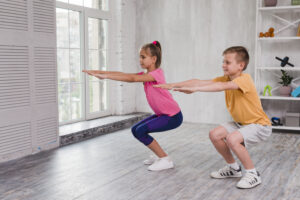
Why Early Strength Training Is Safe and Powerful for Kids

Why Early Strength Training Is Safe and Powerful for Kids Parents often worry that strength training for kids might be unsafe or harmful to growth. For many years, this myth has prevented children from experiencing the benefits of structured physical activity. However, modern research in youth fitness and child development clearly shows that properly guided strength training is not only safe but also extremely beneficial for kids.   At FitKid Club, we believe that building strength early helps children develop confidence, better health, and lifelong fitness habits.   Let’s explore why early strength training for kids is safe, effective, and powerful for their physical and mental development. What Is Strength Training for Kids? Strength training for children does not mean heavy weightlifting like adults do in gyms. Instead, it focuses on age-appropriate exercises that build muscle strength, coordination, and movement skills.   These activities usually include: Bodyweight exercises (squats, push-ups, lunges) Resistance bands Light medicine balls Fun obstacle courses Balance and agility drills When supervised by trained coaches, these activities are safe and designed for growing bodies. Why Strength Training Is Safe for Kids According to pediatric fitness experts, properly supervised youth strength training has a very low injury risk, often lower than many competitive sports.   Key Safety Factors   Strength training is safe when programs include: Qualified supervision Age-appropriate exercises Focus on technique, not heavy weights Gradual progression Adequate warm-up and recovery Programs like those at FitKid Club are specifically designed to ensure children train safely while having fun. Powerful Benefits of Early Strength Training Strength training provides a wide range of physical, mental, and developmental benefits for kids.   1. Builds Strong Muscles and Bones Childhood is the perfect time to strengthen the body. Resistance exercises stimulate bone density and muscle development, which helps reduce injury risk and supports healthy growth.   Benefits include: Stronger bones Improved posture Better joint stability Reduced risk of future injuries 2. Improves Coordination and Athletic Skills Strength training enhances motor skills, balance, and body awareness.   Kids who train early develop: Faster reaction times Better balance and coordination Stronger athletic performance in sports This is why many youth sports training programs incorporate strength exercises.   3. Boosts Confidence and Self-Esteem Physical strength often leads to mental confidence.   When kids notice improvements in their strength and skills, they develop: Higher self-esteem Better discipline Greater resilience Programs like FitKid Club encourage children to celebrate progress and feel proud of their abilities.   4. Helps Prevent Childhood Obesity With increased screen time and sedentary lifestyles, childhood obesity and inactivity are growing concerns.   Strength training helps kids: Burn calories effectively Build lean muscle mass Improve metabolism Stay active and healthy Combined with good nutrition, it creates a strong foundation for lifelong health and fitness.   5. Develops Healthy Habits for Life Kids who learn to enjoy exercise early are more likely to stay active as adults.   Strength training teaches important habits like: Consistency Discipline Goal setting Self-care These habits help children grow into healthier and more confident adults.   How FitKid Club Makes Strength Training Fun At FitKid Club, strength training is designed to feel like play, not a workout. Our programs focus on: Game-based fitness activities Safe bodyweight strength exercises Confidence-building challenges Expert coaching and supervision Children stay engaged while developing strength, coordination, and confidence. Conclusion: Strong Kids Grow Into Strong Adults Early strength training is safe, science-backed, and incredibly beneficial when done correctly. By introducing kids to structured fitness programs early, parents can help them develop: Strong bodies Confident minds Healthy lifelong habits At FitKid Club, we are passionate about helping children unlock their full potential through fun, safe, and effective fitness training.   Give your child the gift of strength, confidence, and lifelong health.Join FitKid Club today and start their fitness journey the right way. Join the world’s #1 Kids Fitness & Wellness Community. ✔ Designed for families everywhere ✔ Transform your child’s habits ✔ Reduce screen dependency ✔ Build confidence, energy, and lifelong wellness Get your FREE consultation now:➡ https://zfrmz.in/to4uqXcLgJjZF0iczDtI Follow FitKid on: Stay inspired with tips, workouts, and nutrition guidance for kids and families: Facebook Instagram Youtube Recent Posts

Uncategorized

The Confidence Gap in Kids: How Physical Play Changes Everything

The Confidence Gap in Kids: How Physical Play Changes Everything In today’s digital-first world, many children are growing up indoors, glued to screens, and disconnected from active play. While academic performance often takes center stage, an invisible issue continues to grow, the confidence gap in kids.   Confidence isn’t just about personality. It’s deeply connected to movement, physical strength, social interaction, and emotional resilience. At Fitkid Club, we believe structured physical play is one of the most powerful tools to build confident, emotionally strong children.   Let’s explore how. Understanding the Confidence Gap in Kids The confidence gap in children often shows up as: Fear of trying new activities Avoiding sports or group play Low self-esteem Social withdrawal Anxiety in school settings Modern lifestyles contribute significantly to this gap. Increased screen time, limited outdoor activity, and reduced peer interaction can weaken both physical and emotional development.   Research consistently links physical activity for kids with improved self-esteem, better emotional regulation, and stronger social skills. Movement literally rewires the brain for resilience. Why Physical Play Is the Missing Link Physical play isn’t just about burning energy. It shapes identity, courage, and leadership.   1. Builds Physical Competence   When children run faster, jump higher, or master a new skill, they experience achievement. These small wins translate into: Higher self-confidence Improved body image Stronger self-belief Structured kids fitness programs help children track progress, reinforcing a growth mindset.   2. Encourages Social Skills & Teamwork Group physical activities teach: Cooperation Communication Conflict resolution Leadership Through interactive games and team challenges, children learn how to navigate social environments with confidence. This is critical for long-term emotional intelligence.   3. Reduces Anxiety & Boosts Mental Health Exercise stimulates endorphins, the body’s natural mood enhancers. Regular physical play helps reduce: Childhood anxiety Stress Emotional overwhelm Active children often show improved focus in school and better classroom participation, narrowing the confidence gap naturally.   4. Teaches Resilience Through Safe Failure Not every race is won. Not every skill is mastered instantly. Physical play introduces children to safe, healthy failure. They learn: Persistence Problem-solving Emotional regulation These are foundational life skills that directly influence confidence levels. The Science Behind Movement and Confidence Studies on child development show that regular structured physical activity for kids improves neural pathways responsible for emotional control and executive functioning.   Movement enhances: Brain development Motor coordination Cognitive flexibility Self-discipline When children feel strong physically, they feel stronger emotionally. This is why confidence-building activities for kids must go beyond classroom learning. True development happens when mind and body grow together. Signs Your Child May Need More Physical Play If your child: Hesitates to join group activities Prefers screens over outdoor play Avoids sports due to fear of judgment Struggles with self-esteem It may not be a personality issue, it could be a movement deficit. Incorporating structured programs that focus on strength, agility, balance, and teamwork can transform how children see themselves. How Fitkid Club Bridges the Confidence Gap At Fitkid Club, we focus on more than just exercise. Our programs are designed to nurture: Physical strength Emotional resilience Social confidence Leadership skills Through engaging, age-appropriate workouts and interactive challenges, children build competence step by step. Every milestone matters.   We recommend pairing physical training with healthy lifestyle habits.    Parents can also explore our guide on “fun home workouts for kids” to continue building confidence beyond sessions. Conclusion: Strong Bodies Create Strong Minds The confidence gap in kids isn’t permanent. It’s preventable, and reversible.   When children move consistently, achieve small wins, and feel supported in a positive environment, confidence grows naturally. Physical play builds courage. Courage builds identity. Identity builds leaders.   At Fitkid Club, we are committed to shaping confident, resilient, and healthy children, one active step at a time.   If you want your child to grow stronger physically and emotionally, it may be time to make movement a priority. Join the world’s #1 Kids Fitness & Wellness Community. ✔ Designed for families everywhere ✔ Transform your child’s habits ✔ Reduce screen dependency ✔ Build confidence, energy, and lifelong wellness Get your FREE consultation now:➡ https://zfrmz.in/to4uqXcLgJjZF0iczDtI Follow FitKid on: Stay inspired with tips, workouts, and nutrition guidance for kids and families: Facebook Instagram Youtube Recent Posts

Uncategorized

Is Screen Time Rewiring Your Child’s Brain? What Parents Should Know​

Is Screen Time Rewiring Your Child’s Brain? What Parents Should Know Screens are everywhere.   From online classes and homework to gaming and social media, today’s children are growing up in a digital-first world. While technology offers learning opportunities, excessive screen time may be quietly reshaping how a child’s brain develops.   At FitKid Club, we believe awareness is the first step toward balance. The goal isn’t to eliminate technology, it’s to protect healthy brain development while building active, resilient kids.   So, is screen time rewiring your child’s brain? Let’s break it down. How Screen Time Affects Brain Development Children’s brains are highly adaptable, a concept known as neuroplasticity. This means repeated behaviors strengthen certain neural pathways.   Excessive screen exposure has been linked to: Reduced attention span Increased impulsivity Sleep disturbances Delayed social skills Dopamine overstimulation Fast-paced digital content activates the brain’s reward system. Over time, this can reduce tolerance for slower, real-world activities like reading, studying, or creative play. The Dopamine Effect: Why Screens Feel Addictive Many apps and games are designed to trigger dopamine, the brain’s “reward chemical.”   Frequent dopamine spikes from: Video games Short-form videos Social media scrolling Can make offline tasks feel boring by comparison.   This doesn’t mean screens are dangerous, but unregulated exposure can influence motivation and emotional regulation. Sleep & Screen Exposure Blue light from devices suppresses melatonin production, affecting sleep cycles. Poor sleep impacts: Memory consolidation Growth hormone release Emotional control Academic performance Children who use screens before bedtime often experience reduced deep sleep, which is essential for cognitive development. Physical Inactivity & Metabolic Health Increased screen time often replaces outdoor play. Sedentary habits contribute to: Childhood obesity Poor posture Weak core strength Reduced cardiovascular endurance At FitKid Club, we emphasize daily movement because physical activity improves not only fitness but also focus, memory, and mood Signs Screen Time May Be Affecting Your Child Watch for: Irritability when devices are removed Reduced interest in outdoor play Difficulty concentrating Late-night device use Emotional outbursts Academic decline These signs may indicate overstimulation or dependency patterns. Creating a Healthy Digital Balance Instead of banning screens, focus on structured balance:   1. Set Clear Screen Time Boundaries Follow age-appropriate digital limits and create tech-free zones (like bedrooms).   2. Encourage Active Breaks For every hour of screen use, include 10–15 minutes of physical movement.   3. Prioritize Outdoor Play Natural light and unstructured play improve creativity and emotional regulation.   4. Promote Family Engagement Board games, storytelling, and shared meals reduce reliance on digital entertainment.   5. Model Healthy Behavior Children mirror adult screen habits. The FitKid Club Approach At FitKid Club, we focus on: Building strength and agility Improving coordination and posture Encouraging discipline through structured fitness Supporting emotional resilience Reducing sedentary lifestyle risks Our programs are designed to help children develop confidence, physical literacy, and long-term healthy habits.   Technology isn’t the enemy, imbalance is.   When kids move daily, sleep well, and engage socially, their brains develop stronger neural pathways that support focus, emotional intelligence, and academic performance Final Thoughts Yes, excessive screen time can influence how a child’s brain develops.   But with awareness and structured habits, parents can create a healthy balance.   The key is not fear, it’s guidance.   At FitKid Club, we believe strong bodies support strong minds. And when children grow with balance, they thrive both online and offline Join the world’s #1 Kids Fitness & Wellness Community. ✔ Designed for families everywhere ✔ Transform your child’s habits ✔ Reduce screen dependency ✔ Build confidence, energy, and lifelong wellness Get your FREE consultation now:➡ https://zfrmz.in/to4uqXcLgJjZF0iczDtI Follow FitKid on: Stay inspired with tips, workouts, and nutrition guidance for kids and families: Facebook Instagram Youtube Recent Posts
Uncategorized

20-Minute After-School Reset for Kids | FitKid Club

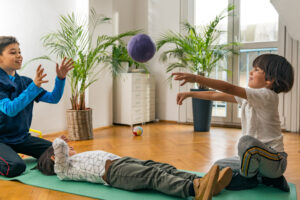
The 20-Minute After-School Reset Every Child Needs School days are long.   Between academic pressure, screen exposure, structured classroom time, and extracurricular activities, most children return home mentally drained and physically inactive. What happens next often determines their mood, focus, and behavior for the rest of the evening.   At FitKid Club, we believe every child needs a simple, structured 20-minute after-school reset, a routine that boosts physical activity, improves emotional regulation, and enhances brain performance.   This is not extra homework.   It’s a science-backed reset for growing minds and bodies. Why Kids Need an After-School Reset Modern children face: Increased screen time Reduced outdoor play Academic stress Sedentary habits Sleep disruption Research in child development and pediatric wellness shows that short bursts of movement improve: Cognitive function Emotional balance Attention span Sleep quality Physical fitness A 20-minute reset helps shift children from “school stress mode” to “home calm mode.” What Is the 20-Minute Reset? The FitKid Club 20-minute reset combines:   Movement (10 Minutes) Breathing & Calm Focus (5 Minutes) Fuel & Hydration (5 Minutes) This structured transition helps regulate the nervous system and prevent evening meltdowns. Step 1: 10 Minutes of Active Play After hours of sitting, children need movement.   Examples include: Jump rope Animal walks Mini obstacle course Dance bursts Bodyweight exercises Outdoor running or cycling Physical activity improves blood circulation to the brain, enhances motor skills, and releases endorphins. Step 2: 5 Minutes of Breathing & Mindfulness Children experience stress too, even if they can’t express it clearly. Simple breathing exercises such as: Box breathing Balloon breathing Guided gratitude Help regulate cortisol levels and calm the nervous system.   This improves emotional regulation, focus for homework, and sleep quality later in the evening. Step 3: 5 Minutes of Smart Refueling After school, many children reach for processed snacks.   Instead, aim for balanced after-school nutrition: Fruit + nuts Yogurt + seeds Boiled eggs Smoothies with protein Hydration with water or electrolyte-rich options Balanced snacks stabilize blood sugar, prevent energy crashes, and reduce junk food cravings at night. The Long-Term Benefits When practiced consistently, the 20-minute reset supports:   Healthy weight management Improved posture Better academic focus Stronger immunity Reduced behavioral issues Higher confidence levels At FitKid Club, we focus on building lifelong habits,not short-term activity bursts.   Children who move daily build stronger muscles, better coordination, and improved metabolic health. More importantly, they learn that movement is a normal part of everyday life. Why FitKid Club Supports This Approach Our programs are designed to:   Reduce childhood inactivity Promote functional strength Improve agility and balance Build discipline through structured fun Support healthy growth and development We combine science-backed child fitness principles with engaging formats that kids enjoy. Because healthy children grow into strong adults. Final Thoughts The 20-minute after-school reset is simple, but powerful.   It doesn’t require expensive equipment.It doesn’t demand hours of commitment.It just requires consistency.   If you want calmer evenings, better focus, and healthier habits for your child, start with 20 minutes.   Small daily resets create long-term resilience. Join the world’s #1 Kids Fitness & Wellness Community. ✔ Designed for families everywhere ✔ Transform your child’s habits ✔ Reduce screen dependency ✔ Build confidence, energy, and lifelong wellness Get your FREE consultation now:➡ https://zfrmz.in/to4uqXcLgJjZF0iczDtI Follow FitKid on: Stay inspired with tips, workouts, and nutrition guidance for kids and families: Facebook Instagram Youtube Recent Posts

Uncategorized

Movement & Memory: How Physical Play Improves Learning Retention in Kids

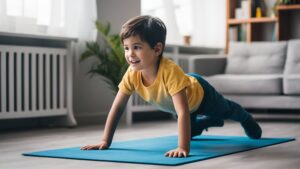
Movement & Memory: How Physical Play Improves Learning Retention in Kids Introduction: Physical play and learning are deeply connected in child brain development. When children move their bodies, they are not just burning energy  they are strengthening memory pathways, improving focus, and enhancing how information is stored in the brain. The Science Behind Movement and Memory The brain thrives on movement. During physical activity, the body increases blood flow and oxygen delivery to the brain. This supports the hippocampus the part of the brain responsible for memory formation. Physical play and learning work together because movement: Stimulates neural connections Increases dopamine levels Improves cognitive flexibility Enhances attention span When kids sit for long periods without movement, mental fatigue increases and retention drops. Why Sitting Too Long Reduces Retention Modern classrooms and screen time often require extended sitting. While necessary at times, prolonged inactivity can: Reduce circulation Lower alertness Decrease information processing speed Increase restlessness Children are biologically wired to learn through action. Short bursts of movement improve how the brain absorbs information. How Physical Play Strengthens Memory Retention Physical play improves learning retention by: 1. Activating Both Brain Hemispheres Cross-body movements (like crawling or skipping) improve communication between the left and right sides of the brain. 2. Boosting Neurotransmitters Movement increases dopamine and serotonin, which enhance focus and mood. 3. Improving Executive Function Active play strengthens planning, impulse control, and problem-solving skills. When the brain is stimulated through motion, memory encoding becomes stronger. The 10-Minute Movement Boost Research shows that just 10–20 minutes of physical activity before studying can improve retention. Simple options include: Jump rope Tag games Animal walks Short obstacle courses Dancing Physical play and learning work best when movement happens before or between study sessions. Outdoor Play and Brain Development Outdoor physical play adds additional cognitive benefits: Exposure to natural light improves circadian rhythm Nature reduces stress Varied terrain enhances coordination Free play encourages creativity Less stress equals better memory retention. Why Play-Based Learning Works Children remember experiences more than lectures. When learning includes: Movement-based math games Acting out stories Hands-on activities Physical challenges tied to lessons memory retention increases significantly. Physical play makes learning interactive and emotionally engaging. The Emotional Connection to Memory Emotion strengthens memory formation. Active play creates: Joy Social bonding Confidence Curiosity These emotional states help the brain store information more effectively. Physical play and learning combine cognitive and emotional development. Practical Tips for Parents To support memory retention: Add movement breaks every 30–45 minutes Encourage outdoor play daily Combine learning with physical games Reduce excessive screen time Prioritize sleep and hydration Small daily adjustments create long-term benefits. Long-Term Benefits of Movement-Based Learning Children who regularly engage in physical play often show: Better academic performance Improved focus Stronger problem-solving skills Higher self-confidence Greater emotional resilience The brain grows stronger through movement. Conclusion Physical play and learning are not separate. Movement fuels memory retention, improves focus, and supports brain development in powerful ways.   At FitKid Club, we believe strong minds are built through strong movement foundations. When kids move more, they learn better and remember longer. Join the world’s #1 Kids Fitness & Wellness Community. ✔ Designed for families everywhere ✔ Transform your child’s habits ✔ Reduce screen dependency ✔ Build confidence, energy, and lifelong wellness Get your FREE consultation now:➡ https://zfrmz.in/to4uqXcLgJjZF0iczDtI Follow FitKid on: Stay inspired with tips, workouts, and nutrition guidance for kids and families: Facebook Instagram Youtube Recent Posts
Uncategorized

Hydration Habits for Kids: The Most Ignored Performance Factor

Hydration Habits for Kids: The Most Ignored Performance Factor Introduction: Hydration for kids directly impacts energy, focus, and physical performance yet it’s often overlooked. Many parents focus on nutrition and activity but forget that water plays a foundational role in how children feel and perform throughout the day. Why Hydration for Kids Matters More Than You Think Children’s bodies are made up of a higher percentage of water compared to adults. Even mild dehydration can affect: Concentration Mood Reaction time Physical endurance Temperature regulation Because kids are often busy playing or studying, they may ignore thirst signals until fatigue appears. Signs Your Child May Be Dehydrated Hydration for kids becomes critical when symptoms begin to show. Common signs include: Headaches Irritability Dark urine Low energy Difficulty concentrating Reduced sports performance These symptoms are often mistaken for hunger or tiredness. How Hydration Impacts School Performance Water supports blood circulation and oxygen delivery to the brain. When children are well hydrated, they often experience: Improved memory Better attention span Faster cognitive processing Reduced afternoon crashes Proper hydration habits can make a noticeable difference in classroom focus. The Role of Hydration in Sports and Play Active kids lose fluids through sweat, especially during sports or outdoor play. Hydration for kids supports: Muscle function Joint lubrication Temperature control Endurance Without adequate water intake, performance and recovery decline quickly. How Much Water Do Kids Actually Need? Daily hydration needs vary by age and activity level. A general guideline: Younger children: 5–7 cups per day Older children: 7–10 cups per day Active kids: More during sports or hot weather Water should be the primary source. Sugary drinks may increase dehydration risk due to excess sugar content. Simple Hydration Habits Parents Can Build Hydration for kids improves when habits are consistent. Practical strategies include: Sending a refillable water bottle to school Encouraging water breaks during play Offering water before meals Adding fruit slices for flavor Modeling good hydration habits as parents Small changes create lasting routines. Avoiding Sugary Drinks Many sports drinks and flavored beverages contain high levels of added sugar. While marketed as performance enhancers, they may: Spike blood sugar Increase cravings Add unnecessary calories Water remains the most effective hydration tool for most children. Hydration and Energy Stability When kids are properly hydrated, they experience: More stable energy levels Fewer mood swings Reduced fatigue Better overall physical comfort Hydration supports both body and brain performance. Making Water More Appealing If children resist plain water, try: Infused water with berries or citrus Fun reusable bottles Setting hydration challenges Linking water intake to activity rewards Positive reinforcement works better than pressure. Conclusion Hydration for kids is one of the simplest yet most powerful performance factors. Proper water intake supports energy, focus, mood, and athletic ability.   At FitKid Club, we believe strong habits build strong kids. Encouraging daily hydration is a small step with big long-term benefits. Join the world’s #1 Kids Fitness & Wellness Community. ✔ Designed for families everywhere ✔ Transform your child’s habits ✔ Reduce screen dependency ✔ Build confidence, energy, and lifelong wellness Get your FREE consultation now:➡ https://zfrmz.in/to4uqXcLgJjZF0iczDtI Follow FitKid on: Stay inspired with tips, workouts, and nutrition guidance for kids and families: Facebook Instagram Youtube Recent Posts

Uncategorized

Building Core Strength in Kids Without “Workout” Pressure

Building Core Strength in Kids Without “Workout” Pressure Introduction: Core strength for kids develops best through play, not pressure. Children don’t need structured workouts to build strong bodies. They need movement, balance, and fun activities that naturally strengthen their core without feeling forced. Why Core Strength for Kids Matters The core is more than just abdominal muscles. In children, the core includes: Deep abdominal muscles Lower back stabilizers Hip muscles Pelvic stability Strong core muscles help kids: Maintain good posture Sit comfortably in school Improve balance Prevent injuries Perform better in sports Without strong core support, children may struggle with coordination and stability. The Problem With “Workout” Pressure When kids feel pressured to “exercise,” movement becomes: A chore Performance-based Stressful Competitive This can reduce enjoyment and discourage long-term physical activity. Core strength for kids should develop naturally, not through adult-style training routines. How Play Builds Core Strength Naturally Children strengthen their core when they: Climb Crawl Jump Balance Hang Twist These movements activate deep stabilizing muscles without structured drills. Play-based movement builds strength while supporting creativity and fun. Everyday Activities That Strengthen the Core 1. Animal Walks Bear crawls, crab walks, and frog jumps activate multiple muscle groups while improving coordination. 2. Obstacle Courses Crawling under objects, balancing on beams, and hopping over cushions strengthen stability. 3. Playground Time Climbing ladders, swinging, and monkey bars naturally build upper body and core strength. 4. Balance Challenges Standing on one foot or walking along a line improves postural control. These activities feel like games but they are powerful training tools. Why Core Strength Improves Focus Core strength for kids supports posture. When children sit upright comfortably, they can: Concentrate longer Reduce fidgeting Improve handwriting Enhance classroom endurance The brain and body work together. Physical stability supports mental focus. Avoiding Common Mistakes Parents often make core training too intense. Avoid: Long plank competitions High-repetition crunches Adult-style gym routines Instead, prioritize: Short playful sessions Variety Movement exploration Consistency matters more than intensity. The Emotional Side of Movement When kids feel confident in their bodies, they: Participate more actively Engage socially during play Take healthy physical risks Develop resilience Core strength builds physical confidence, which supports emotional growth. How Often Should Kids Work on Core Strength? Children do not need separate “core days.” Daily play that includes: Climbing Crawling Jumping Balancing is enough to improve core strength naturally. Movement variety supports full-body development. Conclusion Core strength for kids should grow through fun, playful movement rather than structured workouts. When children climb, crawl, balance, and explore, they build stability naturally.   At FitKid Club, we believe movement should feel joyful. Strong cores are built through play  not pressure. Join the world’s #1 Kids Fitness & Wellness Community. ✔ Designed for families everywhere ✔ Transform your child’s habits ✔ Reduce screen dependency ✔ Build confidence, energy, and lifelong wellness Get your FREE consultation now:➡ https://zfrmz.in/to4uqXcLgJjZF0iczDtI Follow FitKid on: Stay inspired with tips, workouts, and nutrition guidance for kids and families: Facebook Instagram Youtube Recent Posts

Uncategorized

Why Agility Matters More Than Speed in Childhood

Why Agility Matters More Than Speed in Childhood Introduction: Agility in children builds coordination, balance, and confidence far beyond simple speed. While many parents focus on how fast a child can run, true athletic development depends on how well a child can control and adapt their movement. Speed impresses. Agility protects and strengthens. What Is Agility in Children? Agility refers to the ability to: Change direction quickly Control body movements Maintain balance under movement React to external cues It combines coordination, balance, strength, and brain processing. Speed is linear.Agility is dynamic. Why Speed Alone Is Not Enough Speed measures how fast a child moves in one direction. But most sports and real-life movements require: Sudden stops Direction changes Body control Reaction to unpredictable situations A child who runs fast but cannot control movement may face higher injury risk and reduced performance. How Agility in Children Supports Brain Development Agility is not just physical it is neurological. Agility drills improve: Reaction time Spatial awareness Cognitive processing Decision-making speed When children practice agility, their brain and body learn to communicate more efficiently. This builds both athletic skill and mental sharpness. Injury Prevention: The Hidden Benefit Many childhood injuries occur during uncontrolled movement. Agility in children strengthens: Ankle stability Knee alignment Core control Balance reflexes When kids can adjust quickly and stabilize their body, they are less likely to fall awkwardly or strain joints. Confidence Grows With Control Children who move confidently tend to: Participate more in sports Take healthy physical risks Engage socially during play Recover faster from mistakes Agility training builds control and control builds confidence. Long-Term Athletic Development Early childhood is not the time to specialize in speed training alone. Agility forms the foundation for: Soccer Basketball Tennis Martial arts Dance General playground play Children who develop agility early adapt better to different physical challenges later. Simple Ways to Improve Agility in Children Agility does not require complex equipment. Effective activities include: Cone zig-zag drills Ladder footwork patterns Tag games Obstacle courses Jump-and-turn exercises Play-based movement works best. Short, fun sessions improve coordination naturally. Why Parents Should Shift Focus Instead of asking:“How fast can my child run?” Ask:“How well can they control their body?” Speed may win short races.Agility builds durable athletes. Agility supports physical literacy the foundation of lifelong movement. Conclusion Agility in children matters more than speed because it builds coordination, injury resistance, confidence, and cognitive skills. Speed may look impressive, but agility creates stronger, more adaptable movers.   At FitKid Club, we believe strong foundations come before fast finishes. When children move with control and confidence, they stay active longer and thrive in every sport. Join the world’s #1 Kids Fitness & Wellness Community. ✔ Designed for families everywhere ✔ Transform your child’s habits ✔ Reduce screen dependency ✔ Build confidence, energy, and lifelong wellness Get your FREE consultation now:➡ https://zfrmz.in/to4uqXcLgJjZF0iczDtI Follow FitKid on: Stay inspired with tips, workouts, and nutrition guidance for kids and families: Facebook Instagram Youtube Recent Posts

Uncategorized

Snack Smart: Fueling Kids Without Sugar Spikes

Snack Smart: Fueling Kids Without Sugar Spikes Introduction: Healthy snacks for kids should provide steady energy without causing sugar crashes. Many common snacks marketed to children are high in hidden sugars. While they offer quick energy, they often lead to mood swings, fatigue, and reduced focus soon after.   Fueling kids properly means choosing foods that stabilize blood sugar and support growing bodies. Why Sugar Spikes Matter for Kids When children consume high-sugar snacks, their blood sugar rises rapidly. This spike triggers a surge of insulin, followed by a sudden drop in energy. The result often includes: Irritability Difficulty concentrating Hyperactivity followed by fatigue Increased hunger shortly after eating Over time, repeated sugar spikes can affect mood regulation and long-term metabolic health. What Causes Sugar Spikes? Sugar spikes are often caused by snacks that are: High in refined carbohydrates Low in fiber Lacking protein Highly processed Common examples include: Packaged fruit juices Flavored yogurts with added sugar Cookies and crackers Sweetened cereals Even foods labeled “healthy” can contain significant added sugars. What Makes Healthy Snacks for Kids Different? Balanced snacks combine three important components: 1. Protein Protein slows digestion and helps stabilize blood sugar. Examples include: Greek yogurt Nuts and seeds Boiled eggs Cottage cheese 2. Fiber Fiber reduces the speed at which sugar enters the bloodstream. Good sources include: Fresh fruits Vegetables Whole grains Chia seeds 3. Healthy Fats Healthy fats support brain development and sustained energy. Examples include: Nut butters Avocado Seeds When these elements are combined, children experience steady energy rather than sharp highs and lows. Smart Snack Ideas That Prevent Sugar Spikes Healthy snacks for kids can be simple and practical. Examples include: Apple slices with peanut butter Yogurt with berries and chia seeds Whole-grain toast with avocado Hummus with carrot sticks Cheese with whole-grain crackers These options provide balanced nutrition without causing energy crashes. . Why Stable Energy Supports Focus and Mood Stable blood sugar supports: Better concentration in school Improved emotional regulation Reduced afternoon fatigue Consistent physical performance When kids avoid sugar spikes, they feel more balanced throughout the day. How Parents Can Reduce Hidden Sugar Reading labels is essential. Look for: Added sugars listed in ingredients Syrups (corn syrup, rice syrup) Words ending in “-ose” Choosing whole foods over packaged snacks significantly reduces sugar intake. Snack Timing Matters Too Spacing snacks evenly throughout the day prevents extreme hunger, which often leads to overeating sugary foods.   Offering balanced snacks mid-morning and mid-afternoon helps maintain stable energy levels. Building Long-Term Healthy Habits Healthy snacks for kids are not about strict restriction. They are about education and balance.   When children learn to recognize how food affects their energy, they develop healthier habits naturally. The goal is not to eliminate treats entirely, but to build a foundation of steady nourishment. Conclusion Snack smart by choosing healthy snacks for kids that prevent sugar spikes and support steady energy. Balanced combinations of protein, fiber, and healthy fats help children stay focused, calm, and active throughout the day.   At FitKid Club, we believe nutrition should support growth, learning, and confidence one smart snack at a time. Join the world’s #1 Kids Fitness & Wellness Community. ✔ Designed for families everywhere ✔ Transform your child’s habits ✔ Reduce screen dependency ✔ Build confidence, energy, and lifelong wellness Get your FREE consultation now:➡ https://zfrmz.in/to4uqXcLgJjZF0iczDtI Follow FitKid on: Stay inspired with tips, workouts, and nutrition guidance for kids and families: Facebook Instagram Youtube Recent Posts

Scroll to Top