
FitKid Club

Author name: suraj

Uncategorized

Kid friendly home gym with the best home fitness for kids

Kid friendly home gym with the best home fitness for kids Introduction: Why a Family Home Gym Is a Smart Investment Creating a family home gym is no longer just about convenience or saving time. It’s about building healthy habits together, encouraging movement, and making fitness a natural part of everyday life especially for children. With rising screen time and increasingly sedentary routines, many parents are looking for practical ways to promote home fitness for kids in a safe and enjoyable environment. A well-designed home gym can become a shared space where kids learn that movement is fun, parents stay consistent with workouts, and everyone benefits from better physical and mental health. However, safety is key. Choosing safe workout gear for children and organizing the space properly ensures that all ages from toddlers to adults can exercise confidently. This comprehensive guide walks you through everything you need to know to set up a kid-friendly home gym that balances safety, functionality, and fun. The Benefits of a Kid-Friendly Home Gym Before diving into equipment and setup, it’s important to understand why a family-focused home gym is so valuable.   Encourages Lifelong Healthy Habits   Children who grow up seeing fitness as a normal part of daily life are more likely to stay active as adults. A home gym removes barriers like travel time, weather, and scheduling conflicts.   Supports Physical and Mental Development   Regular exercise helps kids improve: Strength and coordination Balance and flexibility Confidence and self-esteem Stress and emotional regulation Promotes Family Bonding   Working out together turns fitness into a shared experience rather than a chore. It’s an opportunity to model healthy behavior while spending quality time as a family. Understanding Safety First: The Foundation of Home Fitness for Kids When designing a home gym for all ages, safety must come before intensity or aesthetics. Why Children Need Different Equipment Kids’ bodies are still developing. Equipment designed for adults may be too heavy, unstable, or complex. Using safe workout gear for children reduces the risk of injury and builds proper movement patterns. Supervision Matters Even with safe equipment, adult supervision is essential especially for younger children. Clear rules and boundaries help kids understand how to use the space responsibly. Choosing the Right Space for Your Family Home Gym You don’t need a large room or expensive renovations to create a functional home gym.   Ideal Locations Spare bedroom Garage or basement Living room corner Playroom with multipurpose use The key is choosing a space with enough room to move freely and minimal hazards.   Flooring Considerations Proper flooring protects joints and prevents slips: Foam mats for cushioning Rubber flooring for durability Non-slip surfaces for stability Soft flooring is especially important for kids learning new movements. Essential Safe Workout Gear for Children Selecting the right equipment makes all the difference in creating a kid-friendly home gym. Resistance Bands Resistance bands are one of the safest and most versatile tools for kids. Lightweight and adjustable Improve strength without heavy load Easy to store They’re perfect for teaching controlled movement and coordination. Light Dumbbells or Soft Weights For older kids and teens: Use lightweight dumbbells (1–5 lbs) Consider soft or rubber-coated weights Avoid heavy lifting and focus on proper form. Stability Balls Stability balls help develop balance and core strength. Choose size-appropriate balls for children Great for seated exercises and gentle movement They also double as fun seating options. Cardio Equipment That’s Safe for All Ages Cardio doesn’t have to mean large, intimidating machines.   Jump Ropes Jump ropes are excellent for: Cardiovascular fitness Coordination Agility Choose adjustable, lightweight ropes for kids. Mini Trampolines With safety handles and adult supervision, mini trampolines can be a fun cardio option. Improve balance Burn energy Encourage joyful movement Always use safety nets or handlebars for younger children. Bodyweight Exercises: The Safest Fitness Option One of the best forms of home fitness for kids doesn’t require equipment at all. Why Bodyweight Training Works Bodyweight exercises: Adapt to different fitness levels Teach natural movement patterns Reduce injury risk Kid-Friendly Bodyweight Exercises Squats Wall push-ups Planks (short holds) Bear crawls Balance stands These exercises can be turned into games to keep kids engaged. Creating a Fun and Motivating Workout Environment A kid-friendly home gym should feel inviting, not intimidating.   Add Visual Motivation Colorful mats Fitness charts or stickers Posters with simple exercises Visual cues help children feel excited about being active.   Music and Movement Playing upbeat music can transform workouts into dance sessions. Movement-based games keep kids motivated without pressure. Setting Clear Rules for Home Gym Safety Structure helps maintain safety and respect for the space.   Basic Home Gym Rules for Kids Always ask before using equipment Put equipment away after use No running with weights or bands Exercise only with supervision Posting these rules visibly reinforces good habits. Adapting the Home Gym for Different Age Groups A family home gym should evolve as your children grow. Toddlers and Preschoolers Focus on: Movement games Soft mats Balance activities Avoid structured workouts keep it playful.   School-Age Children Introduce: Light resistance Simple circuits Coordination drills Short sessions work best.   Teens Teens can begin: Strength training with light weights Structured routines Fitness goal tracking Proper instruction and form are essential. Teaching Kids Proper Exercise Form Good form prevents injuries and builds confidence. Lead by Example Children learn best by watching adults. Demonstrate exercises slowly and clearly. Use Simple Language Instead of technical terms, use cues like: “Keep your back tall” “Move like a robot” “Soft knees” This makes instructions easy to understand. Balancing Screen Time with Home Fitness for Kids A home gym can be a powerful tool in reducing excessive screen time. Make Fitness a Routine Set specific times for family movement, such as: Morning stretch sessions After-school activity breaks Weekend family workouts Consistency helps fitness feel natural. Budget-Friendly Tips for Building a Family Home Gym  You don’t need expensive machines to create a safe and effective space. Affordable Essentials Resistance bands Yoga
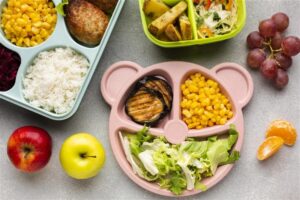

Colorful perfect plate for kids’ nutrition
Uncategorized

The Fuel Station: Making Your “Perfect Plate” Colourful – Problem Solving Nutrition Without Diet Language

The Fuel Station: Making Your “Perfect Plate” Colourful – Problem Solving Nutrition Without Diet Language Introduction: Why Kids Need a New Way to Learn About Food Talking to children about food has never been more challenging. On one side, kids are surrounded by ultra-processed snacks, flashy advertisements, and endless screen time. On the other, parents are often overwhelmed by conflicting nutrition advice, fad diets, and pressure to “do it perfectly.” This is where The Fuel Station concept changes everything. Instead of focusing on restriction, weight, or the word diet, The Fuel Station: Making Your “Perfect Plate” Colorful introduces nutrition as problem-solving with food. Food becomes fuel. Meals become opportunities. And children learn how to make choices that help them feel strong, energetic, focused, and confident. This approach doesn’t shame, label foods as “good” or “bad,” or create anxiety around eating. Instead, it builds curiosity, awareness, and lifelong healthy habits skills children can carry into adulthood. What Is the Fuel Station Concept? The Fuel Station is a kid-friendly, positive nutrition framework. Imagine food as fuel stations in a game each colour, group, and choice helps power the body in a different way. Rather than saying: · “You can’t eat that” · “That’s unhealthy” · “You’re on a diet” The Fuel Station asks: · What does your body need right now? · Which colors are missing from your plate? · How can we build a stronger meal together? This simple shift transforms nutrition education from rules into empowerment. Why Avoiding “Diet” Language Matters for Children Children are incredibly perceptive. Even casual comments about food or body image can shape their self-esteem for years. Diet language often leads to: · Food guilt · Restrictive eating patterns · Emotional eating · Low confidence · Poor relationship with food The Fuel Station removes these risks by focusing on function, not restriction. Food is discussed in terms of: · Energy · Growth · Strength · Brain power · Mood This approach aligns with modern child psychology and wellness education, making it both effective and emotionally safe. — The Perfect Plate: A Visual, Colorful Problem-Solving Tool At the heart of The Fuel Station is the Perfect Plate. It’s not about measuring grams or counting calories. Instead, it’s a visual guide that helps children build balanced meals using colors and food groups. Why Color Matters Color is one of the easiest ways for kids to understand nutrition. Each color represents different nutrients and benefits: · Red: Heart health, immunity · Green: Growth, digestion, strength · Yellow/Orange: Energy, eye health, immunity · Purple/Blue: Brain power, antioxidants · White/Brown: Sustained energy, fullness When kids learn to “eat the rainbow,” nutrition becomes fun, creative, and achievable. Problem Solving With Food: A Skill for Life One of the most powerful aspects of The Fuel Station is that it teaches problem-solving. Instead of telling kids what to eat, we guide them to ask: · “I feel tired what fuel could help?” · “I’m hungry again did I miss protein?” · “I have practice later what will give me energy?” This builds: · Independence · Body awareness · Decision-making skills · Confidence Food becomes a tool not a struggle. How The Fuel Station Supports Family Wellness Healthy habits don’t happen in isolation. Children mirror what they see at home. The Fuel Station is designed to work for entire families, not just kids. Benefits for Parents · Less mealtime stress · Fewer food battles · Simple meal planning · Positive conversations around food Benefits for Kids · Better focus and energy · Reduced sugar crashes · Improved mood · Stronger confidence Because the approach is flexible and inclusive, families can adapt it to different cultures, budgets, and lifestyles. Reducing Screen Dependency Through Better Fuel What many parents don’t realize is that nutrition and screen time are deeply connected. Poor fueling can lead to: · Low energy · Mood swings · Reduced attention span · Increased screen dependency When kids are properly fuelled, they naturally: · Move more · Engage in play · Focus better · Feel motivated The Fuel Station works hand-in-hand with active lifestyles, helping children rediscover real-world fun beyond screens. Building Confidence, Energy, and Lifelong Wellness Nutrition isn’t just about physical health it impacts: · Emotional regulation · Confidence · Social interaction · Academic performance When children understand how food fuels their bodies, they feel in control. This sense of control builds confidence that spills into every area of lifeform sports to school to friendships. The Fuel Station doesn’t aim for perfection. It aims for progress, awareness, and balance. Why This Approach Works Globally The Fuel Station and Perfect Plate model are designed for families everywhere. Because it’s not rigid or culture-specific, it works across: · Different cuisines · Different traditions · Different economic backgrounds Rice, lentils, pasta, vegetables, fruits, meats, plant proteins all can fit into the Perfect Plate when viewed through the lens of balance and color. How Fit Kid Brings The Fuel Station to Life Fit Kid integrates The Fuel Station concept into a holistic kid’s fitness and wellness ecosystem. It’s not just about food it’s about: · Movement · Mindset · Confidence · Habits Through expert guidance, FitKid helps families: · Transform children’s daily routines · Reduce screen dependency · Build energy and resilience · Create lifelong wellness habits Conclusion: A Brighter, Healthier Future Starts with a Colorful Plate The Fuel Station: Making Your “Perfect Plate” Colorful is more than a nutrition concept it’s a mindset shift. By removing diet language and focusing on problem-solving, balance, and color, children learn to trust their bodies and make empowered choices. This approach doesn’t just improve meals it transforms habits, confidence, and family dynamics. When kids see food as fuel and meals as opportunities, they’re set up for lifelong wellness. A colorful plate today builds a stronger, healthier, happier future tomorrow. Join the world’s #1 Kids Fitness & Wellness Community. ✔ Designed for families everywhere ✔ Transform your child’s habits ✔ Reduce screen dependency ✔ Build confidence, energy, and lifelong wellness

Uncategorized

Neurofitness for Kids: 4 Simple Movements to Boost Brain Development

Neurofitness for Kids: 4 Simple Movements to Boost Brain Development Introduction: Movement That Builds a Smarter Brain What if you could help your child improve their focus, memory, and learning abilityjust through play?Welcome to the world of neurofitness for kids, where simple movement buildsstronger, faster, and more connected brains.Unlike traditional workouts, neurofitness relies on playful activities that create newneural pathways. These movements strengthen cognitive skills, emotionalregulation, and overall child brain development. When kids move with purpose—crossing their midline, balancing, or following a rhythm—their brain becomes moreorganized and efficient.Think of it as play with hidden superpowers.Let’s explore four powerful neurofitness movements that support better learning,behavior, and confidence. 1. Crossing the Midline Activities The “midline” is an invisible line running down the center of the body. Any movementthat crosses it like touching the right hand to the left knee forces both sides of thebrain to communicate. Why It Boosts the BrainCrossing the midline strengthens the corpus callosum, the part of the brainresponsible for communication between the right (creative) and left (logical)hemispheres.This supports: Faster information processing Better handwriting Improved reading and math skills Stronger coordination These are powerful activities to improve brain communication, especially forchildren who struggle with learning tasks that require sequencing. Simple Crossing-the-Midline Activities Cross-crawls: March in place, touching opposite hand to knee• Lazy 8s: Draw an infinity symbol in the air with one hand• Crab walks: Move backward on hands and feet with hips liftedThese playful movements support essential motor development while improving achild’s ability to focus and follow instructions. 2. Balancing Exercises Balance isn’t only about staying upright it plays a major role in emotional control,attention span, and academic readiness.The cerebellum, which manages balance, is also responsible for focus and self regulation. When children practice balance, they strengthen this key brain region. Why It Boosts the BrainBetter balance supports: Longer attention span Stronger emotional stability Improved classroom focus Better posture and coordination These benefits make balance one of the most effective exercises to improve kidsconcentration. Simple Balance Activities for Kids Walk on a line: Real or imaginary Flamingo challenge: Balance on one foot Tree pose: A kid-friendly yoga favorite Wobble board practice: Adds fun and challengeThese movements activate the brain-body connection and make active learning feelnatural. 3. Rhythmic Movement Rhythm is one of the brain’s favorite learning tools. It teaches sequencing, improvestiming, and supports language development.Kids who engage in rhythmic play often show stronger math skills, memory retention,and pattern recognition.Why It Boosts the BrainRhythmic movement helps children: Improve auditory processing Enhance memory Learn patterns for math and reading Build language rhythm and fluence. This is why children learn songs like the alphabet so easily. Simple Rhythmic Activities Clapping patterns and hand games Jump rope with a steady beat Dancing to music with strong rhythm Drumming on pots, buckets, or toy drums Rhythmic play strengthens the brain’s timing system and improves overall childbrain development. 4. Mindful Movement & Animal Walks Mindful movement teaches kids to pay attention to how their bodies move. Thisbuilds spatial awareness, balance, and emotional control. It’s perfect for boosting creativity and self-regulation, especially in young children. Why It Boosts the BrainMindful and imaginative movements improve: Planning skills Creative problem-solving Emotional regulation Body awareness These activities help kids slow down, think, and move with intention.Simple Mindful Movement ActivitiesAnimal WalksFun options include: Penguin waddle Elephant stomp Frog jumps Bear crawl Kids naturally love pretending to be animals, and each movement challengesdifferent muscle and brain systems.Obstacle CoursesUse simple household items: Pillows to crawl over Chairs to crawl under Tape or blankets to form walking paths Obstacle courses encourage planning, sequencing, and motor coordination—allcrucial for developing cognitive skills. Why These Movements Strengthen Cognitive Skills Each of these neurofitness movements was chosen because they directly impacthow movement affects a child’s brain.Together, they support: Better concentration Stronger working memory Faster processing speed Improved emotional control Healthy motor development Enhanced school performance This is powerful proof that active bodies create active brains.Neurofitness turns playtime into brain-building time—without kids even realizing it. Conclusion Neurofitness for kids shows that movement is one of the most powerful tools forchild brain development. These four simple activities—crossing the midline,balancing, rhythmic play, and mindful movement—can dramatically improve howyour child learns, thinks, and feels.By weaving them into daily play, you’re not just keeping your child active…you are building a stronger, smarter, and more connected brain.   Want to discover more science-backed ways to transform your child’shealth, fitness, and brain development? Get your FREE consultation now:➡ https://zfrmz.in/to4uqXcLgJjZF0iczDtI Follow FitKid on: Facebook Instagram Youtube Recent Posts

Uncategorized

Kids Screen Time Tips: Healthy Habits for Active Kids in 2026

Kids Screen Time Tips: Healthy Habits for Active Kids in 2026 Introduction: The Screen-Time Struggle Every Parent Knows If you feel like kids screen time is harder to control than ever, you’re not alone. Tablets, online classes, mobile games, and endless videos make screens almost unavoidable in 2026. But the real challenge isn’t screens themselves it’s finding the balance between digital life and real-world activity. Parents everywhere want the same thing:– Happier kids– Active kids– Better habits– Less arguing over devices The good news? It is possible. And it doesn’t require taking screens away or starting a daily battle.Let’s explore simple, realistic steps every parent can use to support digital wellness, boost movement, and turn screen time into something healthier not stressful. 1. Why Kids Screen Time Is Rising in 2026 Kids today use screens for: School work Gaming Social connection Entertainment Learning apps Screens can be helpful tools. The issue comes when kids screen time replaces physical movement, creative play, and family connection.Recent global health recommendations suggest too much screen exposure can affect children’s: Sleep Mood Learning Physical fitness Attention span Good news: You don’t need to eliminate screens. You just need balance 2. How Much Screen Time Is Actually Healthy? Health experts generally recommend: Ages 3-6: 1 hour of screen time per day Ages 7-12: 1-2 hours of recreational screen time Teenagers: Screen use with clear boundaries and tech-free blocks But families are different. Instead of rigid rules, aim for healthy screen time habits for children, such as: Tech-free meals Screen-free bedrooms Active breaks every 30-40 minutes This helps kids learn balance not restriction. 3. Signs Your Child Needs a Screen-Time Reset Look out for these red flags: Mood changes after using a device Difficulty pausing games Less interest in outdoor or indoor play Complaints of boredom without screens Poor sleep or late-night scrolling Less physical activity throughout the week If you notice these often, it’s time to introduce screen time alternatives for kids fun ones, not boring chores. 4. Top Screen Time Alternatives for Kids (Fun, Not Forced) Kids don’t need lectures-they need activities that compete with screens.Here are parent-approved ideas:Creative Play Alternatives Build a fort Lego challenges Paper crafts or origami Drawing prompts (“Draw your dream city!”) Movement-Based Alternatives Mini dance party Balloon volleyball Jump rope contests Indoor obstacle course Skill-Based Alternatives Simple cooking lessons Kid-friendly yoga Gardening tasks Puzzle time The trick is to make alternatives quick, fun, and easy to start. 5. Healthy Screen Time Habits for Children Here are the habits parents around the world say actually work:    ✓ Create predictable screen schedulesKids handle rules better when they know why and when screens are allowed.    ✓ Use the “20–20–20” ruleEvery 20 minutes, take a 20-second break to look 20 feet away. Easy and effective for eye health.    ✓ Keep devices outside the bedroomThis protects sleep, reduces secret late-night scrolling, and improves morning mood.    ✓ Teach mindful screen use, not guiltKids should feel empowered—not ashamed—of how they use technology.    ✓ Model healthy habits yourselfKids copy what they see. If you unplug, they unplug. 6. Outdoor & Indoor Play Ideas for Active Kids Even 30 minutes a day of movement can transform your child’s energy, focus, and emotional balance.Outdoor Play Ideas Bike riding Park exploration Tag or hide-and-seek Nature treasure hunts Indoor Play Ideas (Great for rainy or cold days) Freeze dance Yoga stories Scavenger hunts Simon Says fitness edition 7. Family Fitness: The Secret Weapon Kids are more active when parents join the fun.Try: Weekend family walks Home workout challenges Parent-child yoga Sports nights Family fitness builds: Stronger bonds Happier moods More cooperative kids Healthier parents too It also turns exercise into a habit, not a chor 8. Digital Wellness Tips Every Parent Should Know Digital wellness isn’t about removing screens—it’s about managing them wisely.Here are simple tools: Device timers – Many apps allow parents to set healthy limits. “Active-first” rule – Movement happens before screens not after. Reward systems – Kids earn screen time by completing activity challenges. Designated “slow time” – No screens for the first hour after waking or last hour before bed. These habits encourage a healthier digital lifestyle long term. 9. Why FitKid Helps Kids Build Lifelong Healthy Habits FitKid is designed for parents who want real transformation not more stress. FitKid Helps Kids: Build strength & flexibility Improve focus & mood Reduce dependency on screens Discover fun indoor & outdoor activities Learn digital wellness skills Fall in love with movement again FitKid Helps Parents: Access expert guidance Stop guessing about screen time rules Bring structure to their child’s routine Build a long-term wellness plan FitKid is more than a fitness programit’s a global community dedicated to raising happier, healthier kids. 10. Final Thoughts: Balance Beats Battles Remember: You don’t need to remove screens. You don’t need to be perfect. You just need small, consistent steps. Healthy routines, movement breaks, family fitness, and fun alternatives make managing kids screen time easier and more peaceful—for the whole household. 2026 can be your child’s healthiest, most active year. Get Your FREE FitKid Consultation (Global Access) Join the world’s #1 Kids Fitness & Wellness Community. Designed for families everywhere Transform your child’s habits Reduce screen dependency Build confidence, energy, and lifelong wellness Get your FREE consultation now:➡ https://zfrmz.in/to4uqXcLgJjZF0iczDtI Follow FitKid on: Facebook Instagram Youtube Recent Posts

Scroll to Top