FitKid Club

Author name: suraj

Kids playing outdoors in morning sunlight for healthy circadian rhythm
Uncategorized

The Sun-Sync Strategy Using Natural Light to Supercharge Kids’ Energy 

The Sun-Sync Strategy Using Natural Light to Supercharge Kids’ Energy Introduction: Why Kids Are Tired Even After a Full Night’s Sleep Have you ever noticed your child waking up groggy, unfocused, or irritable even after what seems like a full night of sleep? You’re not alone. Parents across the world are facing the same challenge: kids are more exhausted than ever, and screens are a big part of the problem.  Between online classes, tablets, smartphones, gaming consoles, and TVs, children today are exposed to artificial light far more than natural sunlight. This imbalance quietly disrupts their internal clock the circadian rhythm leading to poor sleep quality, low daytime energy, mood swings, and reduced concentration.  This is where The Sun-Sync Strategy comes in.  The Sun-Sync Strategy is a simple, science-backed, and sustainable approach that helps parents realign their children’s sleep and energy patterns using natural light exposure, intentional outdoor time, and healthy tech balance. No pills. No gimmicks. Just working with nature instead of against it.  Let’s explore how this powerful yet gentle strategy can transform your child’s energy, sleep, and overall well-being.  What Is the Sun-Sync Strategy? The Sun-Sync Strategy is the practice of aligning a child’s daily routine with natural daylight cycles to support their biological clock. At its core, it’s about teaching kids’ bodies when to wake up, when to focus, and when to rest using sunlight as the guide.  Instead of relying solely on rigid schedules or melatonin supplements, this strategy focuses on:  Morning sunlight exposure  Midday outdoor play  Evening light reduction  Healthy limits on screen usage  By syncing daily habits with the sun, children naturally develop:  Better sleep cycles  Higher daytime energy  Improved emotional regulation  Stronger immune systems  Understanding Circadian Rhythm for Kids (In Simple Terms) A circadian rhythm is your child’s internal 24-hour clock. It tells their body:  When to feel awake  When to feel sleepy  When to release hormones like melatonin and cortisol  In children, this rhythm is especially sensitive to light.  Why Light Matters More Than Bedtime Many parents focus only on bedtime, but light exposure during the day is more important. Morning sunlight signals the brain to:  Stop producing melatonin  Increase alertness hormones  Set a “timer” for sleep later at night  Without enough natural light during the day and too much artificial light at night kids’ circadian rhythms become confused.  The result?  Difficulty falling asleep  Restless nights  Tired, cranky mornings  How Screens Disrupt Kids’ Sleep Cycles Screens emit blue light, which closely mimics daylight. While that’s helpful during the morning, it becomes a major problem in the evening.  The Hidden Impact of Blue Light on Children  Suppresses melatonin production  Delays sleep onset  Reduces deep sleep quality  Increases nighttime awakenings  Children’s eyes are more sensitive to blue light than adults, making screen exposure even more disruptive for them.  This is why kids who use tablets or phones in the evening often:  Take longer to fall asleep  Wake up feeling unrested  Struggle with attention during the day  The Sun-Sync Strategy doesn’t ban screens it balances them intelligently.  What Are “Outdoor Windows”? (The Game-Changer Concept) One of the most powerful tools in the Sun-Sync Strategy is the idea of Outdoor Windows.  Outdoor Windows Defined Outdoor Windows are intentional blocks of time during the day when kids go outside to absorb natural light regardless of the activity.  These windows act like reset buttons for the circadian rhythm.  Ideal Outdoor Windows for Kids  Morning Window (7–10 AM): Most important for setting the body clock  Midday Window (12–3 PM): Boosts energy and mood  Late Afternoon Window (4–6 PM): Supports natural tiredness in the evening  Even 15–30 minutes per window can make a noticeable difference.  Morning Sunlight: The Ultimate Natural Sleep Remedy If you do just one thing from this article, make it this: get your child outside in the morning.  Why Morning Light Is So Powerful  Stops melatonin production immediately  Signals the brain that the day has begun  Helps melatonin release earlier at night   This leads to:  Faster sleep onset  Deeper sleep cycles  Easier wakeups  Easy Morning Sunlight Ideas  Walk or bike to school  Eat breakfast near a sunny window or outdoors  10 minutes of free play outside  Stretching or light movement in the sun  No sunglasses needed just natural, indirect sunlight.  Outdoor Play Benefits Beyond Sleep While sleep is a major win, outdoor play offers far-reaching benefits for kids’ physical and mental health.  Physical Benefits  Improved cardiovascular health  Stronger muscles and bones  Better motor coordination  Mental & Emotional Benefits  Reduced anxiety and stress  Improved focus and attention  Enhanced creativity and problem-solving  Outdoor play also naturally limits screen time without arguments or guilt.  Tech Balance: Not Anti-Screen, Just Pro-Kid The Sun-Sync Strategy is not about banning technology. It’s about using tech intentionally, not reflexively.  Healthy Screen Habits That Support Sleep  No screens 60–90 minutes before bedtime  Use night mode or blue-light filters after sunset  Keep devices out of bedrooms  Encourage daytime screen use instead of evening  When screens are aligned with daylight hours, they become far less disruptive.  Evening Light Hygiene: Preparing the Body for Rest Just as morning light tells the body to wake up, evening darkness tells it to rest.  Simple Evening Light Adjustments  Dim household lights after sunset  Use warm-toned bulbs  Avoid overhead bright lighting at night  Encourage calming activities like reading or drawing  This helps melatonin rise naturally no supplements needed. Natural Sleep Remedies That Actually Work for Kids Parents often search for natural sleep remedies, but the most effective ones are often the simplest.  Sun-Sync Approved Natural Remedies  Consistent sunlight exposure  Daily physical movement  Predictable bedtime routines  Calm evening environments  These habits work with a child’s biology instead of forcing it.  How Long Does It Take to See Results? One of the best parts of the Sun-Sync Strategy is how quickly it works.  Typical Timeline  3–5 days: Easier bedtimes  1–2 weeks: Improved sleep quality  3–4 weeks: better energy, focus, and mood  Consistency matters more than perfection.  Making the Sun-Sync Strategy Sustainable for Families The key to success is simplicity. You don’t need a perfect schedule just intentional habit.  Tips for Busy Parents  Stack outdoor time with daily tasks  Use weekends to “re-sync”  Keep routines flexible but consistent  Focus on progress, not rules  At FitKidClub, we believe healthy kids grow from real-world movement, sunlight, and balance, not restrictions.  Why the Sun-Sync Strategy Aligns with FitKidClub Values FitKidClub, promotes:  Active lifestyles  Sustainable habits  Healthy tech relationships  Whole-child wellness  The Sun-Sync Strategy naturally supports these values by encouraging kids to move, play, and thrive outdoors while still living in a modern, tech-enabled world.  Conclusion: Raising Energized, Well-Rested Kids
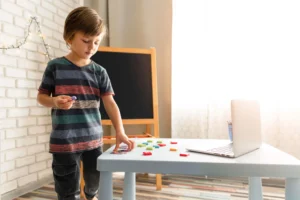
Kids doing brain-body coordination drills
Uncategorized

The “Neuro-Circuit” Challenge: 7 Days of Brain-Body Level Ups for Kids 

The “Neuro-Circuit” Challenge: 7 Days of Brain-Body Level Ups for Kids Introduction: Why the Brain and Body Must Grow Together In today’s fast-paced, screen-heavy world, children are absorbing more information than ever but often without enough physical movement to support healthy brain development. Research in child development consistently shows that movement is not just physical it is neurological. Every jump, crawl, balance, and reaction builds connections inside the brain.  This is where the “Neuro-Circuit” Challenge comes in.  Designed as a 7-day brain-body level-up program, the Neuro-Circuit Challenge blends gamified physical drills with cognitive skill-building, helping kids improve focus, reaction time, memory, coordination, and emotional regulation all while having fun.  Rather than traditional workouts or passive learning, this challenge leverages neuroplasticity, the brain’s ability to rewire and strengthen itself through experience. For children, neuroplasticity is at its peak making the right kind of play incredibly powerful.  Let’s explore how this challenge works, why it matters, and how it helps children hit key cognitive and developmental milestones.  What Is the Neuro-Circuit Challenge? The Neuro-Circuit Challenge is a 7-day structured play-based program that combines:  Physical movement drills  Cognitive challenges  Sensory integration  Decision-making tasks  Emotional and attention control exercises  Each day introduces a new “level,” much like a video game but instead of screens, kids use their bodies and brains together.  Key Objectives of the Neuro-Circuit Challenge Improve brain-body communication  Enhance focus and attention span  Strengthen executive function  Support age-appropriate cognitive milestones  Build confidence through achievement-based play  This makes it ideal for FitKidClub, where fitness meets fun, learning, and long-term brain health.                        Understanding Neuroplasticity for Kids  Neuroplasticity refers to the brain’s ability to change, adapt, and grow by forming new neural connections. In children, this process is incredibly active.  Why Neuroplasticity Matters in Childhood Children’s brains are constantly wiring and rewiring  Repeated experiences strengthen neural pathways  Movement-based learning accelerates brain development  The earlier the stimulation, the stronger the foundation  When kids engage in intentional, varied movement, they are literally shaping their brains. Activities that require balance, coordination, rhythm, and problem-solving activate multiple brain regions simultaneously creating stronger neural networks.  The Neuro-Circuit Challenge is built entirely around this principle Brain-Boosting Play: Learning Without Pressure One of the most powerful aspects of the Neuro-Circuit Challenge is that it feels like play, not work.  Why Play Is the Ultimate Brain Booster  Play lowers stress and increases dopamine  Dopamine enhances learning and memory  Kids stay engaged longer when they’re having fun  Mistakes become part of the game, not failures  Instead of worksheets or rigid drills, children move through games, missions, and challenges that naturally build skills like:  Impulse control  Working memory  Visual-spatial awareness  Listening and response timing  This is brain-boosting play at its best development disguised as fun.  How Gamified Physical Drills Improve Cognitive Processing Gamification is not just a buzzword it’s a neurological advantage.  What Makes a Drill “Gamified”?  Clear goals (missions, levels, points)  Immediate feedback  Progressive difficulty  Rewards for effort, not perfection  When kids participate in gamified physical drills, their brains stay alert and motivated. These drills demand:  Quick decision-making  Pattern recognition  Reaction control  Memory recall under movement  This combination strengthens cognitive processing speed; a key skill linked to academic performance and daily functioning.  The Brain-Body Connection: Why Movement Enhances Focus Focus is not just a mental skill it’s a whole-body process.  Movement Activates the Brain  Physical activity increases:  Blood flow to the brain  Oxygen delivery  Neurotransmitter release (dopamine, serotonin, norepinephrine)  These chemicals directly affect:  Attention span  Mood regulation  Learning readiness  The Neuro-Circuit Challenge uses cross-lateral movements (left-right coordination), balance tasks, and reaction drills to activate both hemispheres of the brain improving sustained attention and self-regulation.  The 7-Day Neuro-Circuit Breakdown Each day of the Neuro-Circuit Challenge focuses on a specific neuro-developmental goal. While exercises can be adapted by age, the structure remains consistent.  Day 1: Neural Activation & Awareness Goal: Wake up brain-body communication  Activities include:  Simple reaction games  Balance holds  Slow, controlled movements with cues  Neuro Benefits:  Improves body awareness  Activates sensory pathways  Builds focus through intentional movement  This day sets the foundation for all future levels.  Day 2: Coordination & Cross-Brain Wiring Goal: Strengthen left-right brain integration  Activities include:  Cross-crawl patterns  Mirror movement games  Hand-eye coordination drills  Neuro Benefits:  Enhances reading and writing readiness  Improves bilateral coordination  Strengthens neural communication between hemispheres Day 3: Speed, Reaction & Processing Goal: Improve response time and cognitive speed  Activities include:  Colour-call reaction games  Direction-switch drills  Fast decision challenges  Neuro Benefits:  Boosts processing speed  Improves listening accuracy  Trains impulse control    Day 4: Memory & Focus Under Movement Goal: Strengthen working memory  Activities include:  Movement sequences to remember  Pattern repetition games  “Copy the leader” challenges  Neuro Benefits:  Enhances short-term memory  Improves classroom focus  Builds task persistence  Day 5: Balance, Control & Emotional Regulation Goal: Build calm focus and body control  Activities include:  Single-leg balance games  Slow-motion challenges  Breath-guided movements  Neuro Benefits:  Improves emotional regulation  Enhances postural control  Builds patience and resilience  Day 6: Problem-Solving Through Play Goal: Develop executive function  Activities include:  Obstacle-based challenges  Strategy movement games  Team-based problem tasks  Neuro Benefits:  Strengthens planning skills  Improves adaptability  Encourages creative thinking  Day 7: The Ultimate Neuro-Circuit Level-Up Goal: Integrate all skills  Activities include:  Multi-skill circuits  Timed missions  Celebration challenges  Neuro Benefits:  Reinforces neural pathways  Builds confidence  Encourages mastery mindset  Cognitive Milestones Supported by the Neuro-Circuit Challenge This challenge supports key cognitive milestones, including:  Improved attention span  Faster reaction time  Better memory recall  Stronger emotional control  Enhanced coordination  Increased self-confidence  These milestones are essential not only for academics, but for sports, social interaction, and lifelong learning.  Why the Neuro-Circuit Challenge Is Perfect for FitKidClub FitKidClub is about more than fitness it’s about whole-child development.  Key FitKidClub Alignment  Movement-first learning  Fun, inclusive environments  Skill-building through play  Long-term brain and body health  The Neuro-Circuit Challenge fits seamlessly into FitKidClub’s mission by turning fitness sessions into brain-building experiences.  Tips for Parents and Coaches to Maximize Results To get the most out of the Neuro-Circuit Challenge:  Encourage effort, not perfection  Keep sessions short and engaging  Celebrate small wins  Repeat favourite drills for reinforcement  Stay consistent across all 7 days  Consistency is what turns temporary fun into lasting neural growth.  Long-Term Benefits Beyond the 7 Days While the challenge lasts a week, the benefits extend far beyond.  Children who regularly engage in brain-body training often show:  Better academic engagement  Improved behaviour and self-control  Higher confidence in physical activities  Stronger learning adaptability  The Neuro-Circuit Challenge is not just a program it’s a foundation for lifelong cognitive health.  Conclusion: Building Stronger Brains Through Play The “Neuro-Circuit” Challenge proves that kids don’t need more screens,

Kids enjoying screen-free play
Uncategorized

The JOMO Journal: Screen-Free Play for Kids 

The JOMO Journal: Screen-Free Play for Kids The JOMO Journal: Teaching Kids the Joy of Unplugged Play Screens are everywhere. Tablets at breakfast, laptops at school, gaming consoles after homework, and phones before bed. While technology brings convenience and connection, many parents are starting to notice something unsettling: kids are busy, stimulated, and entertained yet often restless, distracted, or disconnected.  As we move toward 2026, a powerful countertrend is gaining momentum in family wellness spaces: JOMO The Joy of Missing Out.  The JOMO Journal is about helping kids rediscover something essential: the joy of unplugged, screen-free play. It’s not anti-technology. It’s pro-balance. It’s about carving out intentional digital detox hours so kids can reconnect with their bodies, creativity, imagination, and real-world relationships.  In this in-depth guide for the FitKidClub blog, we’ll explore why JOMO matters for kids, how analog play supports emotional and physical development, and how families can create screen-free rhythms that stick without power struggles or guilt Why Kids Need JOMO in a Screen-Saturated World Today’s kids are growing up in a digital-first environment. Screens are no longer occasional they’re constant.  Many children experience:  Difficulty entertaining themselves without screens  Shortened attention spans  Reduced creativity  Sleep disruptions  Increased irritability or anxiety  While screens aren’t inherently harmful, overuse crowds out essential developmental experiences especially unstructured play.  That’s where JOMO comes in.  What Is JOMO (Joy of Missing Out)? JOMO is the intentional choice to not participate in constant digital stimulation and to feel good about it.  For kids, JOMO means:  Choosing to play over scrolling  Curiosity over content consumption  Presence over notifications  It teaches children that they’re not missing out by unplugging they’re gaining something better.  Why “Unplugged Play” Is a 2026 Wellness Priority In 2026, child wellness experts, educators, and parents are aligning around one truth: unstructured, screen-free play is not optionality’s essential.  Unplugged play supports:  Brain development  Emotional regulation  Physical coordination  Social skills  Creativity and imagination  JOMO isn’t about restriction it’s about restoration.  Understanding the Impact of Screen Overload on Kids Excessive screen time can affect kids in subtle but powerful ways.  Common signs include:  Trouble transitioning between activities  Increased frustration tolerance issues  Reduced outdoor interest  Dependency on external stimulation  Digital detox hours help reset the nervous system and restore balance.  Digital Detox Hours: What They Really Mean A digital detox doesn’t mean eliminating screens entirely.  It means:  Setting predictable, screen-free windows  Creating tech-free zones (like bedrooms or dinner tables)  Replacing screens with engaging alternatives  Consistency matters more than duration.  How Screen-Free Play Supports Emotional Health When kids aren’t constantly stimulated, they learn to:  Sit with boredom  Create their own fun  Process emotions naturally  Build resilience  Boredom isn’t a problem it’s the birthplace of creativity.  Analog Play: The Heart of JOMO Analog play refers to activities that don’t rely on screens or digital input.  Examples include:  Building with blocks or LEGO  Drawing, painting, and crafting  Board games and card games  Pretend play  Outdoor exploration  These activities engage the senses and imagination in ways screens can’t replicate.    Why Analog Play Builds Better Focus  Screens deliver fast, constant rewards. Analog play requires patience.  Through unplugged play, kids learn:  Sustained attention  Problem-solving  Cause-and-effect thinking  These skills directly support academic success and emotional control.  Screen-Free Activities for Kids That Don’t Feel Like Punishment The biggest myth about digital detox is that kids will hate it.  When screen-free options are engaging, kids often forget about screens entirely.  High-impact ideas include:  Obstacle courses  Scavenger hunts  Nature walks with challenges  DIY crafts  Journaling or storytelling  The key is variety and choice.  Outdoor Play: Nature’s Built-In Digital Detox Nature naturally regulates the nervous system.  Outdoor play offers:  Sensory stimulation without overload  Physical movement  Reduced stress hormones  Improved mood and sleep  Even short outdoor sessions can reset attention and behaviour.  How JOMO Encourages Creativity When screens are removed, kids must generate ideas themselves.  This leads to:  Imaginative storytelling  Role-playing  Inventing games  Artistic expression  Creativity thrives in open-ended environments.  Teaching Kids to Enjoy Their Own Company One powerful outcome of unplugged play is self-entertainment.  Kids learn:  Independence  Self-trust  Emotional resilience  These skills reduce reliance on external stimulation and validation.    Screen-Free Play and Social Skills When kids play together without screens, they practice:  Communication  Negotiation  Conflict resolution  Cooperation  These real-world interactions are essential for social development.  The Link Between Screen Time and Sleep Excessive screens use especially before bed can:  Delay melatonin release  Increase mental stimulation  Disrupt sleep cycles  JOMO-inspired evening routines improve sleep quality significantly.  Creating a JOMO-Friendly Home Environment Environment shapes behaviour.  Support unplugged play by:  Keeping toys accessible  Limiting visible screens  Creating cozy play spaces  Stocking art and building supplies  Make analog play the easy option.  How Parents Can Model JOMO Kids follow what they see.  When parents:  Put phones away  Read physical books  Engage in hands-on hobbies  Kids learn that unplugging is normal and enjoyable.  Reframing “Missing Out” for Kids Help kids understand:  You’re not missing out you’re choosing something different  Quiet can be fun  Presence feels good  Language matters. JOMO is about choice, not deprivation.  JOMO and Emotional Regulation Screen-free play allows kids to:  Experience emotions fully  Learn coping strategies  Build frustration tolerance  Without constant distraction, kids develop emotional mastery naturally.  How Much Screen-Free Time Is Enough? There’s no one-size-fits-all answer.  Many families aim for:  1–2 digital detox hours per day  Screen-free mornings or evenings  Tech-free weekends or afternoons  What matters most is consistency.  Making Digital Detox Sustainable (Not a Battle) Avoid:  Sudden screen bans  Power struggles  Shaming language  Instead:  Involve kids in planning  Offer appealing alternatives  Start small and build gradually  JOMO works best when kids feel empowered.  Screen-Free Play Across Different Ages Unplugged play looks different at each stage:  Young kids: imaginative play, sensory exploration  School-age kids: games, crafts, outdoor challenges  Tweens: journaling, hobbies, physical activities  Adapt, don’t force.  Why 2026 Is the Year of Balance Parents aren’t rejecting technology they’re redefining their relationship with it.  In 2026, wellness-focused families prioritize:  Intentional screen use  Real-world experiences  Mental clarity  Emotional resilience  JOMO is about balance, not extremes.  The Long-Term Benefits of Unplugged Play Kids who grow up with regular screen-free play often develop:  Stronger attention spans  Better emotional regulation  Higher creativity  Healthier relationships with technology  These benefits last well into adulthood.  Helping Kids Transition Back to Screens Mindfully JOMO doesn’t mean screens disappear forever.  Kids learn:  Screens are tools, not defaults  Mindful use feels better than overuse  Balance creates freedom  This mindset builds lifelong digital wellness.    Small Rituals That Support JOMO  Try:  Screen-free Sundays  Family game nights  Nature walks after school  Craft bins always available  Rituals turn habits into traditions.  Why JOMO Supports Physical Health Too Less screen time often leads to:  More movement  Better

Kids eating colorful rainbow vegetables
Uncategorized

From Picky to Powerful: 2026 Kids’ Performance Nutrition Trends 

From Picky to Powerful: 2026 Kids’ Performance Nutrition Trends From Picky to Powerful: 2026 Trends in Kids’ Performance Nutrition Parents everywhere know the struggle: one child survives on beige foods, another turns up their nose at anything green, and both somehow have endless energy one minute and total meltdowns the next. As we move toward 2026, kids’ nutrition is no longer just about “getting enough calories.” It’s about fueling growth, brain power, gut health, immunity, and performance whether that performance happens on a soccer field, in a classroom, or at the playground.  This long-form guide dives deep into the 2026 trends in kids’ performance nutrition, with a special focus on functional protein, gut health for children, and a surprisingly fun strategy parents are embracing: “rainbow” vegetables. Along the way, we’ll explore healthy snacks for kids, science-backed ideas, and realistic ways to turn picky eaters into powerful little humans without pressure or food battles. Why Kids’ Performance Nutrition Is Evolving in 2026 Kids today are busier than ever. School days are packed, screen time is up, organized sports start earlier, and stress is no longer an “adult-only” issue. Nutrition has had to evolve to keep up.  In 2026, performance nutrition for kids is about:  Stable energy (no sugar crashes)  Stronger digestion and immunity  Muscle, bone, and brain development  Emotional regulation and focus  Parents are moving away from ultra-processed “kid foods” and toward functional, whole-food nutrition that actually supports how kids grow and perform.  What Does “Performance Nutrition” Mean for Kids? When adults hear “performance nutrition,” they think protein shakes and pre-workout powders. For kids, it’s very different and much gentler.  Kids’ performance nutrition focuses on:  Supporting natural growth spurts  Fueling active play and sports  Enhancing learning and concentration  Building a resilient digestive system  It’s not about pushing kids to be elite athletes. It’s about helping every child feel strong, energized, and confident in their own body.  The Rise of Functional Protein for Kids Protein has officially stepped into the spotlight for children but not in the way you might expect.  What Is Functional Protein?  Functional protein does more than just build muscle. It also supports:  Satiety (kids stay full longer)  Blood sugar balance  Immune function  Gut health  In 2026, parents are choosing protein sources that do something extra, rather than just adding more protein for the sake of it.  Best Functional Protein Sources for Kids Some kid-friendly, functional protein options include:  Eggs (complete amino acid profile)  Greek yogurt and kefir (protein + probiotics)  Lentils and chickpeas (protein + fiber)  Nut and seed butters (protein + healthy fats)  Clean protein snacks made with whole ingredients  These options support growth, digestion, and steady energy a triple win for busy kids.  Gut Health for Children: The Foundation of Everything One of the biggest nutrition trends shaping 2026 is a deeper understanding of gut health for children.  Why Gut Health Matters So Much  A child’s gut affects:  Immune strength  Mood and behaviour  Nutrient absorption  Energy levels  Skin health  When the gut is out of balance, kids may experience bloating, constipation, frequent illness, irritability, or poor focus.  Prebiotics vs. Probiotics: What Kids Really Need You’ve probably heard these terms but they’re not the same.  Probiotics are beneficial bacteria.  Prebiotics are the fibers that feed those bacteria.  In 2026, the emphasis is shifting toward food-first gut health, especially prebiotics.  Kid-Friendly Prebiotic Foods  Bananas  Oats  Beans and lentils  Sweet potatoes  Onions and garlic (hidden in meals)  These foods gently support digestion without overwhelming sensitive stomachs.  The “Rainbow Vegetables” Strategy Parents Are Loving One of the most exciting and realistic trends is encouraging kids to eat a rainbow of vegetables.  Why “Eating the Rainbow” Works  Different colors provide different nutrients:  Red: antioxidants for heart and immune health  Orange & Yellow: vitamin A for vision and growth  Green: iron, calcium, and folate  Blue & Purple: brain-boosting polyphenols  White: gut-supporting compounds  Instead of forcing specific vegetables, parents focus on color variety over perfection.  How to Introduce Rainbow Vegetables to Picky Eaters The secret? No pressure and lots of creativity.  Try:  Smoothies with spinach (it disappears!)  Roasted veggies with a crunchy texture  Veggie-packed sauces and soups  Build-your-own rainbow snack boards  Letting kids choose the color of the day  When kids feel involved, they’re far more likely to tryand eventually enjoy new foods.  Healthy Snacks for Kids: 2026’s Biggest Upgrade Snacking isn’t going anywhere but it’s getting smarter.  What Makes a Snack “Performance-Friendly”?  In 2026, the best healthy snacks for kids include:  Protein for fullness  Fiber for gut health  Healthy fats for brain support  Low added sugar  This combination prevents energy crashes and keeps kids focused longer.  Top Healthy Snack Ideas for Active Kids Some parent-approved, kid-loved options:  Apple slices with almond butter  Yogurt with berries and seeds  Homemade protein bites  Hummus with rainbow veggies  Cheese with whole-grain crackers  Smoothies with hidden greens  These snacks fuel play, learning, and recovery without the sugar rollercoaster.  How Gut Health Impacts Kids’ Mood and Focus One of the most fascinating discoveries shaping 2026 nutrition is the gut-brain connection.  The Gut-Brain Axis in Simple Terms  The gut communicates with the brain through nerves and neurotransmitters. A healthy gut can support:  Calmer moods  Better sleep  Improved attention  Reduced anxiety  This is why gut-friendly foods are now seen as essential for emotional regulation in kids.  Reducing Sugar Without Taking Away Joy Let’s be realistic: kids love sweet Flavors. The goal isn’t elimination it’s balance.  Smarter Sweet Strategies  Pair sweets with protein or fat  Choose naturally sweet foods like fruit  Offer dessert with meals, not as a reward  Avoid labelling foods as “good” or “bad”  This approach supports gut health while maintaining a healthy relationship with food.  Protein Timing: Does It Matter for Kids? While kids don’t need strict timing like athletes, protein distribution throughout the day helps.  Aim for:  Protein at breakfast to stabilize energy  Balanced lunches for focus  Protein-rich snacks for recovery after play  Moderate protein at dinner for growth  This steady approach supports muscles, metabolism, and mood.  Building Healthy Habits Without Food Battles Nutrition success in 2026 isn’t about perfection it’s about consistency.  Parent Strategies That Actually Work  Eat together whenever possible  Model balanced eating  Offer variety without forcing bites  Keep introducing foods (it can take 10–15 tries!)  Celebrate curiosity, not consumption  Kids learn by watching, not being lectured.  Why 2026 Is a Turning Point for Kids’ Nutrition hat makes 2026 different is intention. Parents are no longer reacting to problems they’re proactively building strong foundations.  The focus is shifting to:  Long-term gut health  Functional nutrition  Empowered, confident kids  Food as fuel does not control  This mindset change is just as important as the food itself.  Conclusion: From Picky to Powerful Starts One Bite at a Time Transforming picky eaters into powerful, energized kids doesn’t happen overnight. But with the 2026 trends in kids’ performance nutrition, parents now have better tools, smarter strategies, and more hope

Family exercising together in a home gym
Uncategorized

The Family “Home-Gym” Guide: Safe Equipment for All Ages 

The Family “Home-Gym” Guide: Safe Equipment for All Ages Introduction: Why a Family Home Gym Is a Smart Investment Creating a family home gym is no longer just about convenience or saving time. It’s about building healthy habits together, encouraging movement, and making fitness a natural part of everyday life especially for children. With rising screen time and increasingly sedentary routines, many parents are looking for practical ways to promote home fitness for kids in a safe and enjoyable environment.  A well-designed home gym can become a shared space where kids learn that movement is fun, parents stay consistent with workouts, and everyone benefits from better physical and mental health. However, safety is key. Choosing safe workout gear for children and organizing the space properly ensures that all ages from toddlers to adults can exercise confidently.  This comprehensive guide walks you through everything you need to know to set up a kid-friendly home gym that balances safety, functionality, and fun.  The Benefits of a Kid-Friendly Home Gym Before diving into equipment and setup, it’s important to understand why a family-focused home gym is so valuable.  Encourages Lifelong Healthy Habits  Children who grow up seeing fitness as a normal part of daily life are more likely to stay active as adults. A home gym removes barriers like travel time, weather, and scheduling conflicts.  Supports Physical and Mental Development Regular exercise helps kids improve:  Strength and coordination  Balance and flexibility  Confidence and self-esteem  Stress and emotional regulation  Promotes Family Bonding  Working out together turns fitness into a shared experience rather than a chore. It’s an opportunity to model healthy behaviour while spending quality time as a family.      Understanding Safety First: The Foundation of Home Fitness for Kids When designing a home gym for all ages, safety must come before intensity or aesthetics.  Why Children Need Different Equipment  Kids’ bodies are still developing. Equipment designed for adults may be too heavy, unstable, or complex. Using safe workout gear for children reduces the risk of injury and builds proper movement patterns.  Supervision Matters  Even with safe equipment, adult supervision is essential especially for younger children. Clear rules and boundaries help kids understand how to use the space responsibly.  Choosing the Right Space for Your Family Home Gym You don’t need a large room or expensive renovations to create a functional home gym.  Ideal Locations  Spare bedroom  Garage or basement  Living room corner  Playroom with multipurpose use  The key is choosing a space with enough room to move freely and minimal hazards.  Flooring Considerations  Proper flooring protects joints and prevents slips:  Foam mats for cushioning  Rubber flooring for durability  Non-slip surfaces for stability  Soft flooring is especially important for kids learning new movements.  Essential Safe Workout Gear for Children Selecting the right equipment makes all the difference in creating a kid-friendly home gym.  Resistance Bands  Resistance bands are one of the safest and most versatile tools for kids.  Lightweight and adjustable  Improve strength without heavy load  Easy to store  They’re perfect for teaching controlled movement and coordination.  Light Dumbbells or Soft Weights  For older kids and teens:  Use lightweight dumbbells (1–5 lbs)  Consider soft or rubber-coated weights  Avoid heavy lifting and focus on proper form.  Stability Balls  Stability balls help develop balance and core strength.  Choose size-appropriate balls for children  Great for seated exercises and gentle movement  They also double as fun seating options.    Cardio Equipment That’s Safe for All Ages  Cardio doesn’t have to mean large, intimidating machines.  Jump Ropes  Jump ropes are excellent for:  Cardiovascular fitness  Coordination  Agility  Choose adjustable, lightweight ropes for kids.  Mini Trampolines  With safety handles and adult supervision, mini trampolines can be a fun cardio option.  Improve balance  Burn energy  Encourage joyful movement  Always use safety nets or handlebars for younger children. Bodyweight Exercises: The Safest Fitness Option One of the best forms of home fitness for kids doesn’t require equipment at all.  Why Bodyweight Training Works  Bodyweight exercises:  Adapt to different fitness levels  Teach natural movement patterns  Reduce injury risk  Kid-Friendly Bodyweight Exercises  Squats  Wall push-ups  Planks (short holds)  Bear crawls  Balance stands  These exercises can be turned into games to keep kids engaged.  Creating a Fun and Motivating Workout Environment A kid-friendly home gym should feel inviting, not intimidating.  Add Visual Motivation  Colourful mats  Fitness charts or stickers  Posters with simple exercises  Visual cues help children feel excited about being active.  Music and Movement  Playing upbeat music can transform workouts into dance sessions. Movement-based games keep kids motivated without pressure.  Setting Clear Rules for Home Gym Safety Structure helps maintain safety and respect for the space.  Basic Home Gym Rules for Kids  Always ask before using equipment  Put equipment away after use  No running with weights or bands  Exercise only with supervision  Posting these rules visibly reinforces good habits. Adapting the Home Gym for Different Age Groups A family home gym should evolve as your children grow.  Toddlers and Preschoolers  Focus on:  Movement games  Soft mats  Balance activities  Avoid structured workouts keep it playful.  School-Age Children  Introduce:  Light resistance  Simple circuits  Coordination drills  Short sessions work best.  Teens  Teens can begin:  Strength training with light weights  Structured routines  Fitness goal tracking  Proper instruction and form are essential.  Teaching Kids Proper Exercise Form Good form prevents injuries and builds confidence.  Lead by Example  Children learn best by watching adults. Demonstrate exercises slowly and clearly.  Use Simple Language  Instead of technical terms, use cues like:  “Keep your back tall”  “Move like a robot”  “Soft knees”  This makes instructions easy to understand.  Balancing Screen Time with Home Fitness for Kids A home gym can be a powerful tool in reducing excessive screen time.  Make Fitness a Routine  Set specific times for family movement, such as:  Morning stretch sessions  After-school activity breaks  Weekend family workouts  Consistency helps fitness feel natural. Budget-Friendly Tips for Building a Family Home Gym You don’t need expensive machines to create a safe and effective space.  Affordable Essentials  Resistance bands  Yoga mats  Jump ropes  Foam rollers  These items are low-cost and high impact.  Use What You Already Have  Household items like chairs, towels, or stairs can be used creatively for workouts always with safety in mind.    Long-Term Benefits of a Family Home Gym A well-designed home gym offers benefits that extend far beyond physical fitness.  Physical Health 

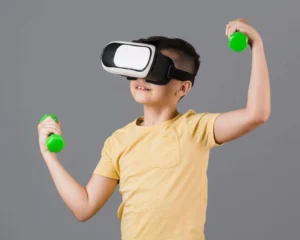
Kids using VR headset for fitness workout
Uncategorized

Screen-Smart Success: How VR & AR Are Transforming Kids’ Fitness 

Beyond the Screen: 5 Fun Ways to Get Kids Moving Today Introduction to the Screen-Time Dilemma The Rise of Passive Screen Time  Let’s face it screens are everywhere. Tablets at breakfast, phones in the car, TVs after homework. For kids, screen time has become as normal as playground time once was. But here’s the catch: most of that screen time is passive. Sitting. Scrolling. Watching. Barely moving a muscle.  Why Kids’ Fitness Needs a Digital Makeover  Telling kids to “go play outside” doesn’t always work anymore. The digital world is simply more exciting. So, what if fitness stepped into that world instead of fighting it? That’s where immersive fitness powered by Virtual Reality (VR) and Augmented Reality (AR) enters the game literally.  Understanding Immersive Fitness What Is Immersive Fitness?  Immersive fitness blends physical movement with digital experiences. Think workouts disguised as adventures. Running from dragons. Dancing through space. Punching targets in a virtual dojo. Kids aren’t exercising they’re playing.  VR vs AR Explained Simply  VR (Virtual Reality): Fully immersive. Headset on. The real world disappears.  AR (Augmented Reality): Digital elements layered onto the real world, often through a phone or tablet.  Both get kids moving, sweating, and smiling.  Why Immersion Works for Kids  Kids have wild imaginations. Immersive fitness taps straight into that. When exercise feels like a story instead of a chore, motivation skyrockets.  The Shift from Couch to Console Replacing Passive Screen Time with Active Play  Not all screen time is bad. The problem is how it’s used. Immersive fitness flips the script screens now demand movement.  Screens That Move You Instead of Melting You  Instead of zoning out, kids jump, squat, dodge, and stretch. The screen becomes a coach, a playground, and a cheerleader rolled into one.  Virtual Reality Workouts for Kids How VR Turns Exercise into a Game  VR fitness games reward movement. Want to win? You have to move. Want to level up? Sweat a little. It’s genius.  Examples of VR Fitness Experiences for Children  Rhythm-based dance battles  Obstacle courses in fantasy worlds  Sports simulations like boxing, tennis, and soccer  Age-Appropriate VR Workouts  Developers now design VR workouts specifically for kids, focusing on safety, short sessions, and fun-first movement.  Augmented Reality Fitness Apps What Makes AR Fitness Kid-Friendly  AR doesn’t isolate kids from their surroundings. They move in real spaces living rooms, backyards, parks while digital characters guide them.  Popular AR Fitness Game Concepts  Treasure hunts that require running  Fitness quests with animated characters  Interactive challenges that reward steps and jump  Outdoor + Digital = Double the Fun  AR shines outdoors. Kids chase virtual creatures while getting fresh air. Win-win.  The Science Behind VR Fitness and Kids Physical Benefits  Immersive fitness improves:  Cardiovascular health  Balance and coordination  Strength and flexibility  Mental and Emotional Benefits  Movement boosts mood. Add fun and achievement, and kids feel confident and proud.  Building Confidence Through Movement  Kids who struggle with traditional sports often thrive in virtual environments where progress feels personal, not competitive.  Why Kids Love Immersive Workouts Gamification and Rewards  Points. Badges. Levels. Kids love progress they can see.  Avatars, Levels, and Challenges  Custom avatars make kids feel represented. Challenges keep them coming back.  Social and Multiplayer Motivation  Some platforms allow cooperative play, turning workouts into shared adventures.  Parental Perspective on VR Fitness Safety Concerns and Solutions  Modern VR systems include:  Time limits  Parental controls  Child-safe content  Screen Time That Parents Can Say Yes To  When screens promote movement, parents feel less guilt and more relief.  Setting Healthy Digital Boundaries  Balance is key. Immersive fitness works best as part of a healthy routine, not a replacement for all physical play.  FitKidClub and the Future of Kids’ Fitness ow FitKidClub Uses VR and AR  FitKidClub embraces immersive fitness to make workouts exciting, inclusive, and habit-forming.  Making Fitness Feel Like Play  Every session feels like a game, not a gym class.  Encouraging Lifelong Healthy Habits  When kids associate movement with joy early on, fitness sticks for life.  Accessibility and Inclusivity Fitness for All Body Types and Abilities  Immersive fitness adapts to the child, not the other way around.  Customizable Experiences for Every Child  Difficulty levels, pace, and style can all be adjusted.  Challenges of VR Fitness for Kids Cost and Accessibility  VR gear can be pricey, but AR apps offer affordable entry points.  Balancing Technology and Real-World Play  Technology should enhance life, not replace it. The goal is more movement, everywhere.  Future Trends in Immersive Kids’ Fitness AI + VR = Smarter Workouts  AI can tailor workouts to each child’s ability and progress.  Personalized Fitness Journeys  No two kids move the same and that’s okay.  Schools and Virtual Fitness Programs  Expect to see immersive fitness entering classrooms and after-school programs soon.  Tips for Parents to Get Started Choosing the Right VR/AR Fitness Apps  Look for:  Kid-specific design  Short sessions  Positive reinforcement  Creating a Safe Fitness Space at Home  Clear the area. Supervise early sessions. Keep it fun.  Conclusion Turning Screen Time into Strength Time Screens aren’t going anywhere. But sedentary habits don’t have to stay. With VR and AR, kids can jump, laugh, sweat, and grow stronger all while doing what they love most. Immersive fitness isn’t the future. It’s happening now. And it’s changing kids’ workouts for the better.  FAQs 1. Is VR fitness safe for kids? Yes, when age-appropriate content, time limits, and supervision are used.  2. What age is best for VR workouts? Most platforms recommend ages 6–7 and up, depending on the system.  3. How much VR fitness time is recommended? 15–30 minutes per session is ideal for kids.  4. Can AR fitness replace outdoor play? Nobut it can enhance it by making movement more engaging.  5. Is immersive fitness better than traditional exercise? It’s not better just different. For many kids, it’s more motivating.    Yes, when age-appropriate content, time limits, and supervision are used.  Most platforms recommend ages 6–7 and up, depending on the system.  15–30 minutes per session is ideal for kids.  Nobut it can enhance it by making movement more engaging.  It’s not better just different. For many kids, it’s more motivating.    Join the world’s #1 Kids Fitness & Wellness Community. ✔ Designed for families everywhere ✔ Transform your child’s habits ✔ Reduce screen dependency ✔ Build confidence, energy, and lifelong wellness Get your FREE consultation now:➡ https://zfrmz.in/to4uqXcLgJjZF0iczDtI Follow FitKid on: Stay inspired with tips, workouts, and nutrition guidance for kids and families: Facebook Instagram Youtube Recent Posts

Kids enjoying outdoor active play together
Uncategorized

The 2026“Active-Play” Reset: 5 Play-Based Resolutions for Kids 

The 2026 “Active-Play” Reset: 5 Play-Based Resolutions for Kids Introduction: Why 2026 Needs an Active-Play Reset Let’s be honest childhood doesn’t look the same anymore. Between online classes, tablets, gaming consoles, and endless scrolling, many kids are moving less and sitting more. As we step into 2026, it’s the perfect time to hit the reset button. Not with strict fitness rules or boring routines, but with something kids naturally love play.  The 2026 “Active-Play” Reset isn’t about forcing kids into workouts. It’s about bringing movement, joy, and imagination back into their everyday lives. Think of it like rebooting a system only this time, the update includes laughter, running feet, and creative minds. What Is Active Play and Why It Matters More Than Ever Active play is any kind of play that gets kids moving. Running, jumping, climbing, dancing, pretending to be superheroes if it involves movement and fun, it counts. Unlike structured exercise, active play feels natural. Kids don’t even realize they’re being active, and that’s the magic.  Why does it matter so much? Because active play supports physical health, mental well-being, emotional growth, and social skills all at once. It’s like a multi-vitamin for childhood, packed with benefits in every dose The Problem with Screen-Heavy Childhoods Screens aren’t evil, but too much of them can quietly steal opportunities for movement and creativity. Long hours sitting still can lead to poor posture, lower fitness levels, reduced attention spans, and even mood changes.  When screens replace play, kids lose more than physical activity they lose chances to explore, imagine, and interact with the real world. That’s why 2026 is the year to rebalance, not eliminate, screen time Why Play-Based Resolutions Work Better Than Rigid Goals Traditional resolutions often fail because they feel like chores. Kids resist rules that don’t make sense to them. Play-based resolutions flip the script. They focus on fun first and results later.  When kids enjoy what they’re doing, consistency happens naturally. Play becomes the engine that drives healthy habits without pressure or stress.  Resolution 1: Move Every Day Through Play What “Daily Movement” Really Means for Kids  Daily movement doesn’t mean an hour at the gym. It means creating opportunities for kids to move their bodies every single day, even in small ways. Ten minutes of dancing here, a game of tag thereit all adds up.  Examples of Simple Everyday Active Play  Jumping rope in the driveway  Racing to the mailbox  Dancing to favourite songs  Playing hide-and-seek  Obstacle courses made from pillows  Movement doesn’t need fancy equipment. Sometimes, imagination is the best gym Resolution 2: Replace Some Screen Time with Imagination Time How Imaginative Play Builds Healthy Brains  Imaginative play is where creativity lives. When kids pretend, they problem-solve, communicate, and explore emotions. It’s like strength training for the brain.  Reducing screen time opens space for storytelling, role-playing, and creative thinking all essential skills for the future.  Easy Screen-Free Play Ideas for Home  Build forts with blankets  Pretend grocery store or restaurant  Dress-up games  Toy scavenger hunts  DIY crafts and challenges  These activities cost little but deliver big developmental wins. Resolution 3: Play Together as a Family Why Family Play Strengthens Emotional Bonds  When parents play with kids, something powerful happens. Trust grows. Communication improves. Kids feel seen and valued. Play becomes a shared language that strengthens family connections.  Fun Active Games Parents Can Join  Family dance-offs  Backyard soccer or cricket  Relay races  Nature walks with mini challenges  Simple yoga or stretching together  You don’t need to be perfect just present. Resolution 4: Let Kids Lead Their Own Play The Power of Child-Led Play  Kids learn confidence when they lead. Choosing the game, setting the rules, and directing play helps build independence and decision-making skills.  Adult-led schedules can be overwhelming. Child-led play gives kids breathing room to explore at their own pace.  How Adults Can Support Without Controlling  Offer safe spaces to play  Provide simple tools or props  Observe instead of directing  Encourage without interrupting  Sometimes, the best thing an adult can do is step back.  Resolution 5: Make Play a Lifestyle, Not a Reward  Shifting the Mindset Around Play  Play shouldn’t be something kids earn after finishing homework. It’s not dessert it’s the main course. Treating play as essential sends a powerful message about balance and well-being.  Building Play into Daily Routines  Walk or bike to nearby places  Active breaks between study sessions  Outdoor play before dinner  Weekend play traditions  When play is routine, healthy habits stick effortlessly.  How FITKIDCLUB Encourages Play-Based Growth FITKIDCLUB believes fitness should feel fun, not forced. By blending movement with play, creativity, and social interaction, FITKIDCLUB helps kids develop strength, confidence, and joy in staying active.  It’s not about creating athletes it’s about nurturing happy, healthy kids who love to move.  How Parents Can Stick to These Resolutions All Year Consistency doesn’t require perfection. Some days will be busy, messy, or exhausting and that’s okay. Focus on progress, not pressure.  Start small, celebrate effort, and remember: every playful moment counts.  Conclusion: Resetting Childhood One Playful Step at a Time The 2026 “Active-Play” Reset is an invitation to slow down, move more, and reconnect with what childhood is meant to be. By choosing play-based resolutions, we give kids more than physical activity. We give them confidence, creativity, connection, and joy.  Let’s make 2026 the year kids run, laugh, imagine, and thrive one playful step at a time. FAQs 1. How much active play do kids need daily? Most kids benefit from at least 60 minutes of active play a day, but even shorter bursts throughout the day are valuable.  2. Is active play better than structured exercise for kids? Yes, active play feels more natural and enjoyable, making kids more likely to stay consistent.  3. How can I reduce my child’s screen time without conflict? Offer fun alternatives first. When play is engaging, screens naturally become less appealing.  4. Can indoor play be as effective as outdoor play? Absolutely. Indoor games like dancing, obstacle courses, and imaginative play are great for movement.  5. How does FITKIDCLUB support active play? FITKIDCLUB focuses on fun, play-based activities that promote fitness, confidence, and lifelong healthy habits.  Most kids benefit from at least 60 minutes of active play a day, but even shorter bursts throughout the day are valuable.  Yes, active play feels more natural and enjoyable, making kids more likely to stay consistent.  Offer fun alternatives first. When play is

Screen-time alternatives
Uncategorized

Beyond the Screen: 5 Fun Ways to Get Kids Moving Today 

Beyond the Screen: 5 Fun Ways to Get Kids Moving Today Why Movement Matters: Building Confidence Through Physical Play In today’s digital-first world, kids are spending more time glued to screens than ever before. While technology has its place, too much screen time can limit physical activity, creativity, and social interaction. That’s where a digital detox comes in and it doesn’t have to feel like a punishment.  Here are five fun, screen-time alternatives that get kids moving, laughing, and building healthy habits the FITKID CLUB way.  1. Turn the Outdoors into a Playground Nothing beats classic kids’ outdoor activities. Parks, backyards, or open spaces offer endless opportunities for movement.  Try this:  Tag, hide-and-seek, or relay races  Nature scavenger hunts  Ball games like football, catch, or dodgeball  👉 Why it works: Fresh air + free movement = happy, active kids.  2. Create a DIY Obstacle Course Transform everyday items into an exciting physical challenge.  Use things like:  Cones, pillows, hula hoops, ropes  Chairs for crawling under  Lines to balance on  👉 Why it works: Builds strength, coordination, and problem-solving while feeling like play, not exercise.  3. Dance It Out Turn on some upbeat music and let kids move freely.  Fun ideas:  Freeze dance  Copy-the-moves challenges  Family dance-offs  👉 Why it works: Dancing boosts cardio health, confidence, and mood no equipment required.  4. Explore on Wheels Bikes, scooters, or skates make movement exciting and adventurous.  Safety tips:  Always wear helmets  Choose age-appropriate gear  Supervise younger kids  👉 Why it works: Encourages independence and turns exercise into exploration.  5. Make Family Fitness a Habit Kids are more likely to stay active when adults join in.  Simple activities:  Evening walks  Weekend hikes  Backyard yoga or stretching  👉 Why it works: Strengthens family bonds while modelling healthy behavior.  Why Reducing Screen Time Matters Limiting screen use and replacing it with active play helps:  Improve physical fitness  Support better sleep  Enhance focus and emotional well-being  At FITKIDCLUB, we believe movement should be fun, inclusive, and part of everyday life not a chore.    Join the world’s #1 Kids Fitness & Wellness Community. ✔ Designed for families everywhere ✔ Transform your child’s habits ✔ Reduce screen dependency ✔ Build confidence, energy, and lifelong wellness Get your FREE consultation now:➡ https://zfrmz.in/to4uqXcLgJjZF0iczDtI Follow FitKid on: Stay inspired with tips, workouts, and nutrition guidance for kids and families: Facebook Instagram Youtube Recent Posts

Children playing outdoors and building confidence through movement
Uncategorized

Why Movement Matters for Kids | Building Confidence Through Physical Play 

Why Movement Matters for Kids | Building Confidence Through Physical Play Why Movement Matters: Building Confidence Through Physical Play In today’s screen-filled world, children are sitting more and moving less. But movement is far more than just burning energy it’s a powerful tool for mental health, emotional growth, and confidence-building. At FITKIDCLUB, we believe physical play is a foundation for raising happy, confident, and resilient kids.  Let’s explore why movement matters and how physical activity supports every stage of child development.  Movement and Child Development: More Than Just Muscles Physical activity plays a vital role in whole-child development, supporting:  Brain growth and focus  Emotional regulation  Social skills  Self-esteem and confidence  When kids move, their brains release feel-good chemicals like endorphins, helping them manage stress and anxiety. This is why active children often feel calmer, happier, and more confident.  Key takeaway: Movement fuels both the body and the mind.  The Benefits of Exercise for Kids’ Mental Health Regular physical play helps children:  Reduce stress and anxiety  Improve mood and emotional balance  Develop resilience and perseverance  Feel proud of what their bodies can do  Every jump, run, and stretch gives kid’s small wins. These wins add up, teaching them, “I can do hard things.” That belief becomes confidence they carry into school, friendships, and life.  How Physical Play Builds Confidence Confidence grows when kids feel capable. Physical play offers:  Safe challenges to overcome  Opportunities to try, fail, and try again  A sense of accomplishment  Positive peer interaction  Whether it’s mastering a new skill, finishing an obstacle course, or simply staying active with friends, movement teaches children to trust themselves.    Social Skills Start with Play Group physical activities help kids learn how to:  Communicate and cooperate  Take turns and show empathy  Build friendships naturally  Through play, children discover teamwork and leadership skills that strengthen both confidence and emotional intelligence.  Making Movement a Daily Habit You don’t need fancy equipment or long workouts. Simple ways to encourage daily movement include:  Outdoor playtime after school  Fun fitness games  Dance breaks at home  Structured activity programs like FITKIDCLUB  The key is consistency and enjoyment. When movement feels fun, kids are more likely to stick with it.  Why FITKIDCLUB Believes in Movement-Based Confidence At FITKIDCLUB, our programs are designed to help children:  Move with purpose  Build confidence naturally  Strengthen both body and mind  Enjoy fitness in a positive, supportive environment  We focus on progress, not perfection, helping every child feel successful no matter their starting point.  Final Thoughts: Movement Shapes Confident Futures Physical play is not optionality’s essential. The benefits of exercise for kids go far beyond fitness, shaping emotional strength, confidence, and lifelong healthy habits.  When children move, they grow not just taller, but stronger inside.  Let’s help kids move with confidence.  Yoga for Littles at Home: Simple Tips for Parents Physical play is not optionality’s essential. The benefits of exercise for kids go far beyond fitness, shaping emotional strength, confidence, and lifelong healthy habits.  When children move, they grow not just taller, but stronger inside.  Let’s help kids move with confidence.  Join the world’s #1 Kids Fitness & Wellness Community. ✔ Designed for families everywhere ✔ Transform your child’s habits ✔ Reduce screen dependency ✔ Build confidence, energy, and lifelong wellness Get your FREE consultation now:➡ https://zfrmz.in/to4uqXcLgJjZF0iczDtI Follow FitKid on: Stay inspired with tips, workouts, and nutrition guidance for kids and families: Facebook Instagram Youtube Recent Posts

Kids practicing yoga poses in a calm classroom
Uncategorized

Yoga for Littles: Teaching Focus and Calm Through Stretching 

Yoga for Littles: Teaching Focus and Calm Through Stretching Introduction: Why Yoga for Littles Matters More Than Ever In today’s fast-paced, screen-filled world, children are exposed to constant stimulation from a very young age. Tablets, smartphones, busy schedules, and academic pressure can make it difficult for kids to slow down, focus, and regulate their emotions. This is exactly where yoga for littles steps in as a powerful, yet gentle solution.  Kids yoga is not about perfect poses or long meditation sessions. Instead, it’s about movement, breath, imagination, and play. Through simple stretching and mindful breathing, children learn how to connect with their bodies, calm their minds, and build emotional resilience. Parents, teachers, and caregivers around the world are turning to mindfulness for children as a practical way to nurture well-rounded, emotionally intelligent kids.  This long-form guide explores how yoga for littles supports focus, calm, and flexibility, why it’s growing in popularity, and how you can easily introduce it into daily routines at home or school.  What Is Yoga for Littles? Yoga for littles is a child-friendly adaptation of traditional yoga designed specifically for toddlers, preschoolers, and young children. Unlike adult yoga, kids yoga uses:  Simple poses inspired by animals and nature  Short attention-friendly sessions  Stories, songs, and games  Playful movement instead of strict form  The goal isn’t physical perfection. The goal is awareness, balance, and emotional regulation. When children practice yoga regularly, they begin to recognize how their bodies feel when they are calm, energized, tired, or overwhelmed.    The Growing Trend of Mindfulness for Children Mindfulness for children has become a global trend and for good reason. Research and real-world experience show that mindful practices like yoga help kids develop:  Better emotional control  Improved concentration  Reduced anxiety  Stronger self-confidence Schools are now integrating short yoga and mindfulness breaks into classrooms, while parents are embracing kids’ yoga as part of bedtime or morning routines. This shift reflects a growing understanding that emotional intelligence is just as important as academic success.  How Kids Yoga Builds Focus and Attention One of the most noticeable benefits of kids yoga is improved focus and attention span. Children naturally have lots of energy, and yoga gives them a healthy way to channel it.  Mindful Movement Encourages Concentration  When kids hold a pose like tree pose or warrior pose, they must focus on balance and breathing. Even a few seconds of holding still helps train the brain to concentrate.  Breathing Exercises Calm the Mind  Simple breathing techniques like pretending to blow up a balloon or smell a flower teach children how to slow down. Over time, kids learn that they can use their breath to regain focus whenever they feel distracted.    Teaching Calm Through Stretching and Breath  Stretching plays a vital role in teaching children how to relax their bodies and minds. Gentle stretches release physical tension, which often goes hand-in-hand with emotional stress.  Stretching Helps Release Big Emotions  Kids often express emotions physically. Tight shoulders, clenched fists, or restless movement can signal emotional overload. Yoga stretches help children release stored tension in a safe, supportive way.  Breath Awareness Builds Emotional Regulation  By pairing stretching with slow breathing, children begin to understand the connection between how they breathe and how they feel. This awareness becomes a powerful self-soothing tool.    Flexibility Benefits of Yoga for Littles Flexibility is one of the most visible physical benefits of kids yoga, but it goes far beyond touching toes.  Healthy Physical Development  Yoga promotes:  Joint mobility  Muscle strength  Body coordination  Postural awareness  Because children’s bodies are still developing, gentle yoga stretches support natural growth without strain.  Preventing Injuries Through Movement  Flexible muscles and joints reduce the risk of common childhood injuries, especially for kids involved in sports or active play.    Emotional Regulation: A Key Life Skill One of the most valuable outcomes of yoga for littles is improved emotional regulation. Children experience big emotions but don’t always have the language to express them.  Yoga Teaches Self-Awareness  Through mindful movement, kids learn to identify feelings like frustration, excitement, or sadness without judgment.  Safe Space for Expression  Kids yoga sessions often encourage children to share how they feel before or after practice. This creates a safe emotional outlet and builds communication skills.  Yoga Poses That Work Best for Young Children Not all yoga poses are suitable for littles. The best poses are simple, imaginative, and fun.  Popular Kids Yoga Poses  Cat-Cow Pose – Encourages spinal flexibility and breath awareness  Downward Dog – Builds strength and releases energy  Butterfly Pose – Calms the nervous system  Tree Pose – Improves balance and focus  Child’s Pose – Promotes deep relaxation  Using animal names and storytelling makes these poses engaging and memorable.  Making Yoga Fun and Engaging for Kids The secret to successful kids’ yoga is fun. If it feels like a chore, kids will quickly lose interest.  Use Stories and Themes  Create yoga adventures like:  Jungle safaris  Ocean explorations  Space journeys  Each pose becomes part of the story, keeping children excited and involved.  Incorporate Music and Props  Soft music, scarves, stuffed animals, or yoga mats with designs can make sessions more interactive.    Yoga for Littles at Home: Simple Tips for Parents You don’t need to be a yoga expert to practice with your child at home.  Start Small  Even 5–10 minutes a day can make a big difference.  Be a Role Model  Children love imitation. When parents practice yoga alongside them, kids are more likely to participate enthusiastically.  Create a Calm Space  Designate a quiet area free from distractions to signal that yoga time is special.    Yoga in Schools and Early Learning Centers Many educators are now using kids’ yoga as a classroom tool.  Classroom Benefits  Improved behavior  Better peer relationships  Increased readiness to learn  Short yoga breaks between lessons help reset energy levels and improve focus.  The Long-Term Benefits of Kids Yoga The lessons learned through yoga extend far beyond childhood.  Life Skills That Last  Children who practice yoga regularly often develop:  Confidence  Resilience  Healthy coping mechanisms  Positive body image  These skills support mental and emotional well-being well into adulthood.  Addressing Common Concerns About Kids Yoga Some parents worry that yoga might be too slow or structured for kids. In reality, kids yoga is designed to be dynamic and adaptable.  Yoga for littles:  Encourages creativity  Supports physical activity  Complements sports and play  It’s not about replacing other activities it’s about enhancing them.  How Often Should Children Practice Yoga? Consistency

Scroll to Top