
FitKid Club

Author name: suraj

Children practicing balance and coordination exercises to improve kids movement skills and motor development
Uncategorized

The Coordination Crisis in Kids: Are Children Losing Essential Movement Skills?

The Coordination Crisis in Kids: Are Children Losing Essential Movement Skills? Children today are growing up in a digital-first world. While technology offers incredible learning opportunities, it has also led to a worrying trend: many kids are struggling with basic movement skills like running, jumping, balancing, and throwing.   Experts are calling this growing issue the “Coordination Crisis.” Compared to previous generations, many children show weaker motor skills development, reduced physical activity, and lower confidence in sports and play.   Understanding this trend is essential for parents who want their children to grow strong, active, and confident. What Are Basic Movement Skills? Basic movement skills, also called fundamental motor skills, are the building blocks for all physical activity. These skills develop during early childhood and form the foundation for sports, fitness, and everyday movement.   The Three Core Types of Movement Skills Locomotor Skills Running Jumping Skipping Hopping Stability Skills Balancing Twisting Turning Object Control Skills Throwing Catching Kicking When children develop these abilities early, they gain confidence and are more likely to stay active as they grow. Why Are Kids Losing These Skills? Many experts believe the decline in kids motor skills development is linked to lifestyle changes.   1. Increased Screen Time Children today spend more time on tablets, phones, and gaming devices than playing outdoors. Excessive screen time effects on kids include reduced physical activity and weaker coordination.   2. Less Outdoor Play Unstructured outdoor play used to be a major source of physical development. Now many children spend most of their time indoors.   3. Reduced Physical Education In many schools, physical education hours have decreased, limiting opportunities for child coordination development.   4. Structured Schedules Busy academic schedules and limited free play mean kids get fewer opportunities to explore movement naturally. Signs Your Child May Need Movement Skill Development Parents should watch for signs that a child may struggle with physical development in children.   Common indicators include: Difficulty balancing on one foot Avoiding sports or playground activities Poor hand-eye coordination Struggling to throw or catch a ball Fatigue during simple physical tasks These signs don’t mean something is wrong, but they may indicate the need for more movement-based activities. How Parents Can Improve Kids Movement Skills 1. Encourage Daily Physical Play Kids need at least 60 minutes of physical activity daily. Activities can include: Playground games Cycling Jump rope Dancing Ball games 2. Introduce Skill-Based Activities Simple coordination exercises help strengthen motor skills. Examples include: Balance challenges Obstacle courses Catch-and-throw drills Ladder drills Skipping routines 3. Limit Passive Screen Time Reducing daily screen time creates more opportunities for kids fitness activities and movement exploration.   4. Enroll Kids in Structured Programs Guided programs with trained coaches can significantly improve child coordination development through fun and safe exercises. Why Movement Skills Matter for Long-Term Health Strong kids movement skills don’t just improve athletic performance, they impact overall development. Benefits include: Improved confidence and self-esteem Better focus and academic performance Stronger muscles and bones Lower risk of childhood obesity Lifelong healthy habits Children who enjoy movement early are far more likely to stay active as teenagers and adults. Conclusion: Let Kids Move, Play, and Grow The coordination crisis among children is real, but it’s also preventable. By encouraging active play, reducing screen time, and focusing on motor skills development, parents can help children build the foundation for lifelong health.   At FitKid Club, we believe every child deserves the chance to grow stronger, more confident, and physically capable.   Our programs focus on fun, structured activities that help children develop balance, coordination, strength, and movement skills in a safe and supportive environment.   Give your child the gift of movement. Join FitKid Club and help them build skills that last a lifetime. Join the world’s #1 Kids Fitness & Wellness Community. ✔ Designed for families everywhere ✔ Transform your child’s habits ✔ Reduce screen dependency ✔ Build confidence, energy, and lifelong wellness Get your FREE consultation now:➡ https://zfrmz.in/to4uqXcLgJjZF0iczDtI Follow FitKid on: Stay inspired with tips, workouts, and nutrition guidance for kids and families: Facebook Instagram Youtube Recent Posts

Uncategorized

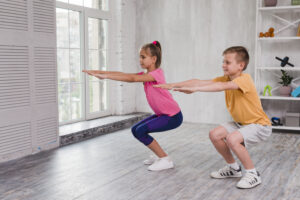
Why Early Strength Training Is Safe and Powerful for Kids

Why Early Strength Training Is Safe and Powerful for Kids Parents often worry that strength training for kids might be unsafe or harmful to growth. For many years, this myth has prevented children from experiencing the benefits of structured physical activity. However, modern research in youth fitness and child development clearly shows that properly guided strength training is not only safe but also extremely beneficial for kids.   At FitKid Club, we believe that building strength early helps children develop confidence, better health, and lifelong fitness habits.   Let’s explore why early strength training for kids is safe, effective, and powerful for their physical and mental development. What Is Strength Training for Kids? Strength training for children does not mean heavy weightlifting like adults do in gyms. Instead, it focuses on age-appropriate exercises that build muscle strength, coordination, and movement skills.   These activities usually include: Bodyweight exercises (squats, push-ups, lunges) Resistance bands Light medicine balls Fun obstacle courses Balance and agility drills When supervised by trained coaches, these activities are safe and designed for growing bodies. Why Strength Training Is Safe for Kids According to pediatric fitness experts, properly supervised youth strength training has a very low injury risk, often lower than many competitive sports.   Key Safety Factors   Strength training is safe when programs include: Qualified supervision Age-appropriate exercises Focus on technique, not heavy weights Gradual progression Adequate warm-up and recovery Programs like those at FitKid Club are specifically designed to ensure children train safely while having fun. Powerful Benefits of Early Strength Training Strength training provides a wide range of physical, mental, and developmental benefits for kids.   1. Builds Strong Muscles and Bones Childhood is the perfect time to strengthen the body. Resistance exercises stimulate bone density and muscle development, which helps reduce injury risk and supports healthy growth.   Benefits include: Stronger bones Improved posture Better joint stability Reduced risk of future injuries 2. Improves Coordination and Athletic Skills Strength training enhances motor skills, balance, and body awareness.   Kids who train early develop: Faster reaction times Better balance and coordination Stronger athletic performance in sports This is why many youth sports training programs incorporate strength exercises.   3. Boosts Confidence and Self-Esteem Physical strength often leads to mental confidence.   When kids notice improvements in their strength and skills, they develop: Higher self-esteem Better discipline Greater resilience Programs like FitKid Club encourage children to celebrate progress and feel proud of their abilities.   4. Helps Prevent Childhood Obesity With increased screen time and sedentary lifestyles, childhood obesity and inactivity are growing concerns.   Strength training helps kids: Burn calories effectively Build lean muscle mass Improve metabolism Stay active and healthy Combined with good nutrition, it creates a strong foundation for lifelong health and fitness.   5. Develops Healthy Habits for Life Kids who learn to enjoy exercise early are more likely to stay active as adults.   Strength training teaches important habits like: Consistency Discipline Goal setting Self-care These habits help children grow into healthier and more confident adults.   How FitKid Club Makes Strength Training Fun At FitKid Club, strength training is designed to feel like play, not a workout. Our programs focus on: Game-based fitness activities Safe bodyweight strength exercises Confidence-building challenges Expert coaching and supervision Children stay engaged while developing strength, coordination, and confidence. Conclusion: Strong Kids Grow Into Strong Adults Early strength training is safe, science-backed, and incredibly beneficial when done correctly. By introducing kids to structured fitness programs early, parents can help them develop: Strong bodies Confident minds Healthy lifelong habits At FitKid Club, we are passionate about helping children unlock their full potential through fun, safe, and effective fitness training.   Give your child the gift of strength, confidence, and lifelong health.Join FitKid Club today and start their fitness journey the right way. Join the world’s #1 Kids Fitness & Wellness Community. ✔ Designed for families everywhere ✔ Transform your child’s habits ✔ Reduce screen dependency ✔ Build confidence, energy, and lifelong wellness Get your FREE consultation now:➡ https://zfrmz.in/to4uqXcLgJjZF0iczDtI Follow FitKid on: Stay inspired with tips, workouts, and nutrition guidance for kids and families: Facebook Instagram Youtube Recent Posts

Uncategorized

The Confidence Gap in Kids: How Physical Play Changes Everything

The Confidence Gap in Kids: How Physical Play Changes Everything In today’s digital-first world, many children are growing up indoors, glued to screens, and disconnected from active play. While academic performance often takes center stage, an invisible issue continues to grow, the confidence gap in kids.   Confidence isn’t just about personality. It’s deeply connected to movement, physical strength, social interaction, and emotional resilience. At Fitkid Club, we believe structured physical play is one of the most powerful tools to build confident, emotionally strong children.   Let’s explore how. Understanding the Confidence Gap in Kids The confidence gap in children often shows up as: Fear of trying new activities Avoiding sports or group play Low self-esteem Social withdrawal Anxiety in school settings Modern lifestyles contribute significantly to this gap. Increased screen time, limited outdoor activity, and reduced peer interaction can weaken both physical and emotional development.   Research consistently links physical activity for kids with improved self-esteem, better emotional regulation, and stronger social skills. Movement literally rewires the brain for resilience. Why Physical Play Is the Missing Link Physical play isn’t just about burning energy. It shapes identity, courage, and leadership.   1. Builds Physical Competence   When children run faster, jump higher, or master a new skill, they experience achievement. These small wins translate into: Higher self-confidence Improved body image Stronger self-belief Structured kids fitness programs help children track progress, reinforcing a growth mindset.   2. Encourages Social Skills & Teamwork Group physical activities teach: Cooperation Communication Conflict resolution Leadership Through interactive games and team challenges, children learn how to navigate social environments with confidence. This is critical for long-term emotional intelligence.   3. Reduces Anxiety & Boosts Mental Health Exercise stimulates endorphins, the body’s natural mood enhancers. Regular physical play helps reduce: Childhood anxiety Stress Emotional overwhelm Active children often show improved focus in school and better classroom participation, narrowing the confidence gap naturally.   4. Teaches Resilience Through Safe Failure Not every race is won. Not every skill is mastered instantly. Physical play introduces children to safe, healthy failure. They learn: Persistence Problem-solving Emotional regulation These are foundational life skills that directly influence confidence levels. The Science Behind Movement and Confidence Studies on child development show that regular structured physical activity for kids improves neural pathways responsible for emotional control and executive functioning.   Movement enhances: Brain development Motor coordination Cognitive flexibility Self-discipline When children feel strong physically, they feel stronger emotionally. This is why confidence-building activities for kids must go beyond classroom learning. True development happens when mind and body grow together. Signs Your Child May Need More Physical Play If your child: Hesitates to join group activities Prefers screens over outdoor play Avoids sports due to fear of judgment Struggles with self-esteem It may not be a personality issue, it could be a movement deficit. Incorporating structured programs that focus on strength, agility, balance, and teamwork can transform how children see themselves. How Fitkid Club Bridges the Confidence Gap At Fitkid Club, we focus on more than just exercise. Our programs are designed to nurture: Physical strength Emotional resilience Social confidence Leadership skills Through engaging, age-appropriate workouts and interactive challenges, children build competence step by step. Every milestone matters.   We recommend pairing physical training with healthy lifestyle habits.    Parents can also explore our guide on “fun home workouts for kids” to continue building confidence beyond sessions. Conclusion: Strong Bodies Create Strong Minds The confidence gap in kids isn’t permanent. It’s preventable, and reversible.   When children move consistently, achieve small wins, and feel supported in a positive environment, confidence grows naturally. Physical play builds courage. Courage builds identity. Identity builds leaders.   At Fitkid Club, we are committed to shaping confident, resilient, and healthy children, one active step at a time.   If you want your child to grow stronger physically and emotionally, it may be time to make movement a priority. Join the world’s #1 Kids Fitness & Wellness Community. ✔ Designed for families everywhere ✔ Transform your child’s habits ✔ Reduce screen dependency ✔ Build confidence, energy, and lifelong wellness Get your FREE consultation now:➡ https://zfrmz.in/to4uqXcLgJjZF0iczDtI Follow FitKid on: Stay inspired with tips, workouts, and nutrition guidance for kids and families: Facebook Instagram Youtube Recent Posts

Uncategorized

Is Screen Time Rewiring Your Child’s Brain? What Parents Should Know​

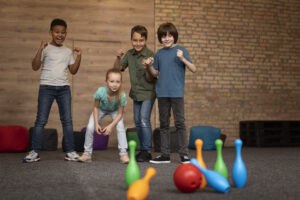
Is Screen Time Rewiring Your Child’s Brain? What Parents Should Know Screens are everywhere.   From online classes and homework to gaming and social media, today’s children are growing up in a digital-first world. While technology offers learning opportunities, excessive screen time may be quietly reshaping how a child’s brain develops.   At FitKid Club, we believe awareness is the first step toward balance. The goal isn’t to eliminate technology, it’s to protect healthy brain development while building active, resilient kids.   So, is screen time rewiring your child’s brain? Let’s break it down. How Screen Time Affects Brain Development Children’s brains are highly adaptable, a concept known as neuroplasticity. This means repeated behaviors strengthen certain neural pathways.   Excessive screen exposure has been linked to: Reduced attention span Increased impulsivity Sleep disturbances Delayed social skills Dopamine overstimulation Fast-paced digital content activates the brain’s reward system. Over time, this can reduce tolerance for slower, real-world activities like reading, studying, or creative play. The Dopamine Effect: Why Screens Feel Addictive Many apps and games are designed to trigger dopamine, the brain’s “reward chemical.”   Frequent dopamine spikes from: Video games Short-form videos Social media scrolling Can make offline tasks feel boring by comparison.   This doesn’t mean screens are dangerous, but unregulated exposure can influence motivation and emotional regulation. Sleep & Screen Exposure Blue light from devices suppresses melatonin production, affecting sleep cycles. Poor sleep impacts: Memory consolidation Growth hormone release Emotional control Academic performance Children who use screens before bedtime often experience reduced deep sleep, which is essential for cognitive development. Physical Inactivity & Metabolic Health Increased screen time often replaces outdoor play. Sedentary habits contribute to: Childhood obesity Poor posture Weak core strength Reduced cardiovascular endurance At FitKid Club, we emphasize daily movement because physical activity improves not only fitness but also focus, memory, and mood Signs Screen Time May Be Affecting Your Child Watch for: Irritability when devices are removed Reduced interest in outdoor play Difficulty concentrating Late-night device use Emotional outbursts Academic decline These signs may indicate overstimulation or dependency patterns. Creating a Healthy Digital Balance Instead of banning screens, focus on structured balance:   1. Set Clear Screen Time Boundaries Follow age-appropriate digital limits and create tech-free zones (like bedrooms).   2. Encourage Active Breaks For every hour of screen use, include 10–15 minutes of physical movement.   3. Prioritize Outdoor Play Natural light and unstructured play improve creativity and emotional regulation.   4. Promote Family Engagement Board games, storytelling, and shared meals reduce reliance on digital entertainment.   5. Model Healthy Behavior Children mirror adult screen habits. The FitKid Club Approach At FitKid Club, we focus on: Building strength and agility Improving coordination and posture Encouraging discipline through structured fitness Supporting emotional resilience Reducing sedentary lifestyle risks Our programs are designed to help children develop confidence, physical literacy, and long-term healthy habits.   Technology isn’t the enemy, imbalance is.   When kids move daily, sleep well, and engage socially, their brains develop stronger neural pathways that support focus, emotional intelligence, and academic performance Final Thoughts Yes, excessive screen time can influence how a child’s brain develops.   But with awareness and structured habits, parents can create a healthy balance.   The key is not fear, it’s guidance.   At FitKid Club, we believe strong bodies support strong minds. And when children grow with balance, they thrive both online and offline Join the world’s #1 Kids Fitness & Wellness Community. ✔ Designed for families everywhere ✔ Transform your child’s habits ✔ Reduce screen dependency ✔ Build confidence, energy, and lifelong wellness Get your FREE consultation now:➡ https://zfrmz.in/to4uqXcLgJjZF0iczDtI Follow FitKid on: Stay inspired with tips, workouts, and nutrition guidance for kids and families: Facebook Instagram Youtube Recent Posts
Uncategorized

20-Minute After-School Reset for Kids | FitKid Club

The 20-Minute After-School Reset Every Child Needs School days are long.   Between academic pressure, screen exposure, structured classroom time, and extracurricular activities, most children return home mentally drained and physically inactive. What happens next often determines their mood, focus, and behavior for the rest of the evening.   At FitKid Club, we believe every child needs a simple, structured 20-minute after-school reset, a routine that boosts physical activity, improves emotional regulation, and enhances brain performance.   This is not extra homework.   It’s a science-backed reset for growing minds and bodies. Why Kids Need an After-School Reset Modern children face: Increased screen time Reduced outdoor play Academic stress Sedentary habits Sleep disruption Research in child development and pediatric wellness shows that short bursts of movement improve: Cognitive function Emotional balance Attention span Sleep quality Physical fitness A 20-minute reset helps shift children from “school stress mode” to “home calm mode.” What Is the 20-Minute Reset? The FitKid Club 20-minute reset combines:   Movement (10 Minutes) Breathing & Calm Focus (5 Minutes) Fuel & Hydration (5 Minutes) This structured transition helps regulate the nervous system and prevent evening meltdowns. Step 1: 10 Minutes of Active Play After hours of sitting, children need movement.   Examples include: Jump rope Animal walks Mini obstacle course Dance bursts Bodyweight exercises Outdoor running or cycling Physical activity improves blood circulation to the brain, enhances motor skills, and releases endorphins. Step 2: 5 Minutes of Breathing & Mindfulness Children experience stress too, even if they can’t express it clearly. Simple breathing exercises such as: Box breathing Balloon breathing Guided gratitude Help regulate cortisol levels and calm the nervous system.   This improves emotional regulation, focus for homework, and sleep quality later in the evening. Step 3: 5 Minutes of Smart Refueling After school, many children reach for processed snacks.   Instead, aim for balanced after-school nutrition: Fruit + nuts Yogurt + seeds Boiled eggs Smoothies with protein Hydration with water or electrolyte-rich options Balanced snacks stabilize blood sugar, prevent energy crashes, and reduce junk food cravings at night. The Long-Term Benefits When practiced consistently, the 20-minute reset supports:   Healthy weight management Improved posture Better academic focus Stronger immunity Reduced behavioral issues Higher confidence levels At FitKid Club, we focus on building lifelong habits,not short-term activity bursts.   Children who move daily build stronger muscles, better coordination, and improved metabolic health. More importantly, they learn that movement is a normal part of everyday life. Why FitKid Club Supports This Approach Our programs are designed to:   Reduce childhood inactivity Promote functional strength Improve agility and balance Build discipline through structured fun Support healthy growth and development We combine science-backed child fitness principles with engaging formats that kids enjoy. Because healthy children grow into strong adults. Final Thoughts The 20-minute after-school reset is simple, but powerful.   It doesn’t require expensive equipment.It doesn’t demand hours of commitment.It just requires consistency.   If you want calmer evenings, better focus, and healthier habits for your child, start with 20 minutes.   Small daily resets create long-term resilience. Join the world’s #1 Kids Fitness & Wellness Community. ✔ Designed for families everywhere ✔ Transform your child’s habits ✔ Reduce screen dependency ✔ Build confidence, energy, and lifelong wellness Get your FREE consultation now:➡ https://zfrmz.in/to4uqXcLgJjZF0iczDtI Follow FitKid on: Stay inspired with tips, workouts, and nutrition guidance for kids and families: Facebook Instagram Youtube Recent Posts

Uncategorized

The Science of Play Breaks: How Movement Improves Attention in Kids

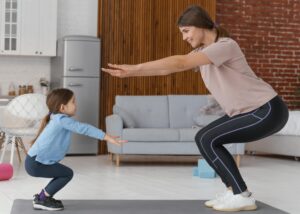
The Science of Play Breaks: How Short Movement Bursts Improve Attention Introduction : Children’s brains are not designed for long periods of sitting and focus. Short play breaks use movement to reset attention and help kids learn better. In classrooms and homes alike, children are expected to sit still for long periods and focus on learning tasks. However, research shows that young brains are not designed for prolonged sitting. Instead, short bursts of movement known as play breaks can significantly improve attention, focus, and learning outcomes.   Play breaks are not distractions from learning. They are a scientifically proven tool that helps children reset their brains, regulate energy, and return to tasks with improved concentration. What Are Play Breaks? Play breaks are short periods of physical movement usually lasting 2 to 10 minutes inserted between learning or sedentary activities. These breaks can include: Jumping or hopping Stretching or balancing Dancing or skipping Simple games or playful movement The goal is not structured exercise, but brief, enjoyable movement that re-engages the brain. The Brain Science Behind Play Breaks Movement activates multiple areas of the brain simultaneously. When children move, blood flow and oxygen delivery to the brain increase, especially to areas responsible for attention and executive function. Key brain benefits of play breaks include: Increased dopamine, which supports motivation and focus Improved communication between brain regions Reduced mental fatigue Better emotional regulation Research shows that children who take regular movement breaks demonstrate improved on-task behavior, faster information processing, and stronger memory retention. Why Sitting Too Long Reduces Attention Extended sitting can overwhelm a child’s nervous system. As energy builds up with no outlet, attention naturally drops. Common signs children need a play break: Fidgeting or restlessness Daydreaming Irritability or frustration Difficulty following instructions Play breaks allow children to release excess energy and reset their focus naturally. How Short Movement Bursts Improve Attention 1. Resetting the Nervous System Movement helps shift children out of stress or boredom states and back into a calm, alert learning mode. 2. Improving Self-Regulation Play breaks teach children to manage their energy levels, improving impulse control and emotional balance. 3. Enhancing Learning Readiness After movement, children are more prepared to listen, process information, and stay engaged. Even just 5 minutes of movement can significantly improve attention span. Play Breaks at School and Home Play breaks are effective in both educational and home environments. At school: Movement breaks between lessons improve classroom focus Teachers report fewer behavioral disruptions At home: Short activity breaks during homework improve task completion Children show less resistance to learning Parents who include movement in daily routines often notice better cooperation and reduced screen dependency. Long-Term Benefits of Movement-Based Learning When play breaks become part of a child’s daily routine, the benefits extend beyond attention: Stronger brain development Improved academic performance Better emotional regulation Healthier relationship with movement Increased confidence and self-esteem Children who move regularly learn that movement supports learning, not interrupts it. Conclusion Books and worksheets have their place, but balance truly comes before books. Motor skills development lays the groundwork for successful learning, focus, and confidence in children.   At FitKid Club, we believe that movement is not a distraction from education  it is an essential part of it. By prioritizing balance and motor skills, parents can help children thrive both academically and physically. Join the world’s #1 Kids Fitness & Wellness Community. ✔ Designed for families everywhere ✔ Transform your child’s habits ✔ Reduce screen dependency ✔ Build confidence, energy, and lifelong wellness Get your FREE consultation now:➡ https://zfrmz.in/to4uqXcLgJjZF0iczDtI Follow FitKid on: Stay inspired with tips, workouts, and nutrition guidance for kids and families: Facebook Instagram Youtube Recent Posts
Uncategorized

Balance Before Books: Why Motor Skills Matter More Than Worksheets

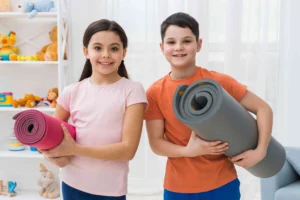
Balance Before Books: Why Motor Skills Matter More Than Worksheets Introduction : Active bodies create ready minds. Balance and motor skills come before books for confident, focused learning. In today’s academic-focused world, children are often pushed toward worksheets, homework, and screen-based learning at an early age. While academics are important, motor skills development forms the foundation for how children learn, focus, and grow. Before children can sit and concentrate on books, they need strong balance, coordination, and body awareness. Prioritizing motor skills helps children build the physical and neurological readiness required for effective learning. What Are Motor Skills and Why Do They Matter? Motor skills refer to a child’s ability to control and coordinate body movements. These skills are divided into: Gross motor skills (running, jumping, balancing, climbing) Fine motor skills (grasping, writing, buttoning) Strong motor skills support: Brain development Posture and endurance Focus and attention Confidence and independence Without a solid motor foundation, children may struggle with sitting still, handwriting, coordination, and even emotional regulation. The Brain–Body Connection in Learning Movement plays a vital role in brain development. When children engage in physical activities, neural connections strengthen between different parts of the brain. Key learning benefits of motor skill development include: Improved memory and information processing Better attention span Stronger problem-solving skills Enhanced emotional control Balance activities, in particular, activate the vestibular system, which helps children maintain posture, stability, and focus during classroom tasks. Why Worksheets Can’t Replace Movement Worksheets target cognitive skills but ignore physical readiness. For young children, prolonged sitting can lead to restlessness, fatigue, and reduced concentration. Overemphasis on worksheets may result in: Poor posture and weak core strength Difficulty focusing for long periods Frustration and reduced confidence Delayed motor coordination Children learn best when their bodies are engaged. Movement prepares the brain to absorb and retain information more effectively than passive learning alone. Balance and Coordination: The Hidden Learning Tools Balance is one of the most overlooked aspects of child development. Activities like hopping, standing on one foot, walking on uneven surfaces, and climbing improve coordination and spatial awareness. Benefits of balance-based activities include: Improved handwriting and fine motor control Better reading readiness Increased confidence in physical and academic tasks Reduced anxiety and behavioral challenges When balance improves, children naturally develop better control over their movements and attention. How Parents Can Support Motor Skill Development Parents don’t need special equipment or structured workouts to support motor skills. Simple daily activities make a big difference. Effective ways to encourage motor development: Encourage outdoor play every day Limit prolonged screen time Include activities like jumping, crawling, throwing, and balancing Turn playtime into movement-based games Consistency is more important than intensity. Short, regular movement sessions support long-term development. Conclusion Books and worksheets have their place, but balance truly comes before books. Motor skills development lays the groundwork for successful learning, focus, and confidence in children.   At FitKid Club, we believe that movement is not a distraction from education  it is an essential part of it. By prioritizing balance and motor skills, parents can help children thrive both academically and physically. Join the world’s #1 Kids Fitness & Wellness Community. ✔ Designed for families everywhere ✔ Transform your child’s habits ✔ Reduce screen dependency ✔ Build confidence, energy, and lifelong wellness Get your FREE consultation now:➡ https://zfrmz.in/to4uqXcLgJjZF0iczDtI Follow FitKid on: Stay inspired with tips, workouts, and nutrition guidance for kids and families: Facebook Instagram Youtube Recent Posts
Uncategorized

Movement & Memory: How Physical Play Improves Learning Retention in Kids

Movement & Memory: How Physical Play Improves Learning Retention in Kids Physical play does more than keep kids active it strengthens memory, focus, and learning. In today’s fast-paced, screen-heavy world, children are spending more time sitting and less time moving. While academics often take center stage, research increasingly shows that movement plays a critical role in how children learn, remember, and process information. Physical play is not just about burning energy it directly impacts memory formation, attention span, and brain development. Understanding the powerful connection between movement and memory can help parents and educators support children’s learning in a more natural and effective way. The Science Behind Movement and Memory When children move, their brains activate multiple systems at once. Physical activity increases blood flow, oxygen supply, and neural connectivity, all of which support memory and learning. Key scientific benefits of movement include: Enhanced communication between brain cells Improved hippocampus function (the brain’s memory center) Better neurotransmitter balance for focus and mood Studies show that children who engage in regular physical play demonstrate better recall, faster information processing, and stronger problem-solving skills compared to sedentary peers. Why Physical Play Improves Learning Retention 1. Movement Strengthens Brain Connections Activities like running, jumping, crawling, and balancing stimulate both hemispheres of the brain. This cross-brain activation improves the ability to store and retrieve information. 2.Active Play Enhances Focus and Attention Short bursts of movement help reset the nervous system. Children return to learning tasks with improved concentration and reduced restlessness, making it easier to absorb new concepts. 3.Physical Play Reduces Stress Stress negatively affects memory. Movement lowers cortisol levels and promotes emotional regulation, creating an optimal state for learning and retention. Types of Physical Play That Boost Memory Not all movement needs to be structured exercise. The most effective forms of physical play include: Free play (climbing, running, imaginative games) Balance activities (standing on one foot, hopping, beam walking) Cross-body movements (throwing, crawling, dancing) Outdoor play (nature walks, playground activities) These activities improve motor skills, coordination, and cognitive flexibility, which directly support learning outcomes. The Classroom & Home Connection Children are not designed to sit still for long periods. Incorporating movement breaks during study time or school hours helps reinforce learning. Simple strategies include: 5-minute movement breaks between lessons Active learning games (spelling while jumping, counting steps) Encouraging outdoor play after school Parents who prioritize daily movement often notice improved academic performance, better memory recall, and increased confidence in their children Long-Term Benefits of Movement-Based Learning When physical play becomes a regular part of a child’s routine, the benefits extend far beyond academics: Stronger brain development Improved emotional regulation Healthier lifestyle habits Greater self-esteem and resilience Children who associate learning with movement are more likely to develop a positive relationship with both education and physical activity Conclusion Movement is not a distraction from learning  it is a powerful learning tool. By encouraging physical play, parents and educators can enhance memory, focus, and long-term learning retention in children. At FitKid Club, we believe that active bodies create active minds. Supporting children through movement-based habits today lays the foundation for lifelong success, both inside and outside the classroom. .  Join the world’s #1 Kids Fitness & Wellness Community. ✔ Designed for families everywhere ✔ Transform your child’s habits ✔ Reduce screen dependency ✔ Build confidence, energy, and lifelong wellness Get your FREE consultation now:➡ https://zfrmz.in/to4uqXcLgJjZF0iczDtI Follow FitKid on: Stay inspired with tips, workouts, and nutrition guidance for kids and families: Facebook Instagram Youtube Recent Posts
Uncategorized

New Year Health Kick-Start 2026: FitKidClub Way to Understand Your Body & Build Lifelong Wellness

New Year Health Kick-Start 2026: FitKidClub Way to Understand Your Body & Build Lifelong Wellness Introduction: Why 2026 Is the Year to Truly Understand Your Health Every New Year brings fresh motivation. We promise ourselves that this year we’ll eat better, exercise more, and finally feel healthier. Yet for many people, those resolutions fade within weeks. FitKidClub, we believe the reason is simple:Most people are still guessing what their body needs. A real New Year health kick-start isn’t about crash diets or extreme workouts. It’s about understanding your body, making informed decisions, and building habits that work for your lifestyle not against it. In 2026, wellness is no longer about following trends. It’s about clarity, personalization, and sustainability. That’s exactly where FitKidClub comes in. Why Generic Health Advice No Longer Work The Problem with One-Size-Fits-All Diets social media is filled with diet plans and fitness challenges promising quick results. But bodies aren’t generic and neither are lifestyles. Your health is influenced by:• Age and gender• Metabolism and hormones• Stress and sleep• Daily routine and food habits• Medical and family history What works for one person may completely fail for another. At FitKidClub, we focus on personalized health journeys, not shortcuts. What a Real New Year Health Kick-Start Looks Like atFitKidClub Instead of asking:• Which diet should I follow?• Which workout burns the most calories? We help you ask better questions:• What does my body need right now?• Are there hidden deficiencies or imbalances?• How can I improve energy, immunity, and overall well-being? The journey begins with awareness, not restriction. Understanding the Role of a Full Body Health Check-Up in 2026 Why Health Data Matters Before Making Resolutions A full body health check-up gives you insights that aren’t visible from the outside:• Vitamin and mineral levels• Blood sugar and cholesterol• Thyroid and metabolic health• Liver and kidney function Many people start intense fitness routines without knowing they may have:• Vitamin D or iron deficiencies• Hormonal imbalances• Metabolic stress At FitKidClub, we believe data prevents disappointment. When you understand your body first, your results last longer. Expert Health Consultation: Turning Reports into Real Action Why Reports Alone Are Not Enough A health report without guidance can feel confusing. Numbers don’t always explain what to do next. That’s why FitKidClub combines testing with expert health consultation, helping you:• Understand what your reports actually mean• Identify priority areas• Avoid unnecessary fear or guesswork• Set realistic, achievable health goals This is where information becomes transformation. The FitKidClub Approach to Customized Nutrition What Makes a Diet Truly Personalized? AtFitKidClub, a customized diet plan is not a calorie chart it’s a lifestyle-friendly nutrition roadmap. We consider:• Your health reports• Weight and wellness goals• Food preferences (vegetarian/non-vegetarian)• Work schedule and family routine• Indian food habits and local availability This is why personalized nutrition plans are becoming the future of health in India. Why Personalized Nutrition Works Better Than Trend Diets Trend diets often:• Are hard to maintain• Ignore nutrient deficiencies• Create food guilt• Stop working after a few weeks A FitKidClub nutrition plan evolves with you, supporting long-term health not temporary results. Small Changes, Big Impact: No Extremes Required True transformation doesn’t need drastic measures. With the right guidance, small changes can deliver powerful results:• Correcting vitamin deficiencies• Improving protein intake• Adjusting meal timing• Supporting digestion and gut health These changes are easier to follow and far more effective. Sustainable Habits Over Short-Term Motivation Motivation fades. Systems last. When your health plan is based on your body’s real needs, healthy choices feel natural not forced. This is how FitKidClub helps families and individuals stay consistent all year long. Body Health Insights 2026: The New Wellness Trend In 2026, health goals are shifting from appearance to internal well-being:• Better energy• Strong immunity• Balanced hormones• Improved digestion• Mental clarity These results start with body health insights, not guesswork. Knowledge builds confidence and confidence builds consistency. Why Most New Year Fitness Resolutions Fail (And How FitKidClub Fixes Them) Common reasons resolutions fail:• Unrealistic goals• Generic plans• No personalization• Ignoring health limitations FitKidClub’s structured approach removes confusion and replaces it with clarity. Instead of saying: “I want to lose 10 kg” We encourage goals like: “I want better energy, metabolic health, and long-term wellness.” Health Check-Up + Customized Diet = Complete Wellness A health check-up shows where you are.A personalized diet shows where to go. Together, they:• Reduce trial-and-error• Save time and effort• Support long-term well-being This integrated system is the foundation of a successful New Year health kick-start atFitKidClub. Who Is FitKidClub’s Health Kick-Start For? This program is ideal for:• Busy professionals• Parents focused on long-term family health• Individuals restarting their fitness journey• Anyone tired of generic advice• Those seeking clarity and balanceIf you’ve ever felt confused about what’s right for your health this is for you. Conclusion: Make 2026 the Year You Stop Guessing and Start Thriving At FitKidClub, we believe wellness should be understood, not assumed. A full body health check-up reveals the truth about your body.Expert consultation turns insight into action.A customized diet plan builds habits you can actually follow. In 2026, don’t just set resolutions.Kick-start your health with clarity, personalization, and purpose the FitKidClub way. Want to discover more science-backed ways to transform your child’shealth, fitness, and brain development? Get your FREE consultation now:➡ https://zfrmz.in/to4uqXcLgJjZF0iczDtI Follow FitKid on: Facebook Instagram Youtube Recent Posts

kids fitness challenge activities
Uncategorized

30-Day Kids Fitness Challenge: Fun Games & Exercises for Active, Happy Kids

30-Day Kids Fitness Challenge: Fun Games & Exercises for Active, Happy Kids In today’s screen-filled world, helping children stay active can feel like an uphill battle. Between online classes, video games, and streaming platforms, kids are moving less than ever before. That’s exactly why a 30-Day Kids Fitness Challenge can be a game-changer for families, schools, and communities. This long-form guide is designed to help parents, teachers, and caregivers make exercise fun for kids, not a chore. You’ll find engaging fitness games for kids, creative exercise games for children, and simple ideas that work for all fitness levels. Whether you’re planning a family fitness challenge, a school fitness program, or at-home kids exercise games, this article gives you everything you need. Let’s turn movement into something kids actually look forward to. Why a 30-Day Kids Fitness Challenge Works A 30-day challenge creates structure without pressure. Kids thrive on routine, but they also crave novelty. By offering a new activity each day, you keep excitement high while building healthy habits. Key benefits of a 30-day fitness challenge for kids include: Encouraging daily physical activity Improving strength, coordination, and endurance Boosting confidence and self-esteem Reducing stress and excess screen time Strengthening family bonds through shared activities Most importantly, a fitness challenge reframes exercise as play, not punishment. The Importance of Making Exercise Fun for Kids Children don’t think in terms of “workouts” or “reps.” They think in terms of games, adventures, and imagination. When exercise feels like play, kids participate willingly and consistently. To truly succeed, kids fitness activities should: Be age-appropriate Feel like games, not drills Allow freedom of movement Include positive encouragement When kids associate movement with fun, they’re more likely to stay active for life. How to Prepare for a 30-Day Kids Fitness Challenge Before starting the challenge, a little preparation goes a long way. 1. Set Clear Expectations Explain that the challenge is about having fun and trying, not being perfect. Every child moves differently, and that’s okay. 2. Create a Printable Challenge Tracker A simple chart where kids can check off each day builds excitement and accountability. Stickers work wonders! 3. Choose a Consistent Time Whether it’s after school or before dinner, consistency helps turn activities into habits. 4. Get Adults Involved Kids are more motivated when parents and teachers participate. A family fitness challenge doubles as quality bonding time. Week 1: Fun Fitness Games for Kids (Building the Habit) The first week is all about fun and confidence. Keep activities short, light, and playful. Day 1–7 Activity Ideas: Jumping jack’s challenge Animal walks (bear crawl, frog jumps) Freeze dance Balloon volleyball Hopscotch Simon Says (fitness edition) Follow-the-leader movements These active games for kids require little to no equipment and are perfect for beginners. Week 2: Kids Exercise Games That Build Strength Now that kids are moving daily, it’s time to gently introduce strength-based activities without calling them “strength training.” Day 8–14 Activity Ideas: Wall sits (pretend you’re sitting in an invisible chair) Crab walks Push-up high-fives Plank storytelling (hold while telling a short story) Tug-of-war with a towel Obstacle courses These exercise games for children help build muscle while keeping things playful. Week 3: Cardio-Based Active Games for Kids Cardio doesn’t have to mean running laps. It can mean dancing, racing, and laughing. Day 15–21 Activity Ideas: Relay races Jump rope challenges Dance-offs Shadow boxing to music Tag games Stair climbing challenges Soccer dribble games These kids exercise games boost heart health and burn energy in a positive way. Week 4: Family Fitness Challenges & Team Games The final week focuses on teamwork and togetherness. This is where the family fitness challenge truly shines. Day 22–30 Activity Ideas: Family yoga night Step-count challenge Fitness bingo Scavenger hunts with movement tasks Partner stretches Mini fitness competitions Favorite game repeat day When families move together, kids feel supported and inspired. Fitness Activities for School Programs Schools can easily adapt a 30-day kids fitness challenge into PE classes or classroom brain breaks. Great school-friendly ideas include: 5-minute movement breaks Classroom stretching sessions Playground fitness stations Group challenges by grade level Reward-based participation systems These fitness activities for school improve focus, behavior, and overall well-being. Adapting the Challenge for Different Age Groups Not all kids move the same wayand that’s a good thing. Ages 4–6 Short activities (5–10 minutes) Imaginative play (animals, superheroes) Ages 7–10 Simple challenges Light competition Clear goals Ages 11–14 More autonomy Timed challenges Team-based goals Customizing activities ensures every child feels successful. Motivation Tips to Keep Kids Engaged for 30 Days Staying motivated for 30 days can be tough but these strategies help: Use reward charts Celebrate effort, not performance Let kids choose activities Play upbeat music Encourage peer participation Remember: positive reinforcement beats pressure every time. Safety Tips for Kids Fitness Activities Safety should always come first. Keep kids safe by: Encouraging warm-ups and cool-downs Providing water breaks Using proper footwear Avoiding overexertion Supervising activities When kids feel safe, they move with confidence. Common Mistakes to Avoid in Kids Fitness Challenges Avoid these pitfalls to keep the experience positive: Making it too competitive Comparing kids to each other Skipping rest days Forcing participation Ignoring fun in Favor of structure The goal is joyful movement, not perfection. Long-Term Benefits of a 30-Day Fitness Challenge for Kids Completing a 30-day challenge builds more than physical strength. Long-term benefits include: Improved motor skills Healthier habits Better emotional regulation Increased self-confidence Stronger family connections These benefits often last far beyond the challenge itself. Conclusion: Building Lifelong Healthy Habits Through Fun A 30-Day Kids Fitness Challenge is more than just a month of movement it’s a powerful step toward a healthier future. By using fun fitness games for kids, engaging exercise games for children, and inclusive family fitness challenges, you create an environment where kids want to be active. When exercise feels like play, children don’t just move more they smile more, connect more, and grow stronger in every way. Start small, stay consistent, and most importantly, make fitness

Scroll to Top