
The 2026 “Active-Play” Reset: 5 Play-Based Resolutions for Kids
Introduction: Why 2026 Needs an Active-Play Reset
Let’s be honest childhood doesn’t look the same anymore. Between online classes, tablets, gaming consoles, and endless scrolling, many kids are moving less and sitting more. As we step into 2026, it’s the perfect time to hit the reset button. Not with strict fitness rules or boring routines, but with something kids naturally love play.
The 2026 “Active-Play” Reset isn’t about forcing kids into workouts. It’s about bringing movement, joy, and imagination back into their everyday lives. Think of it like rebooting a system only this time, the update includes laughter, running feet, and creative minds.
What Is Active Play and Why It Matters More Than Ever
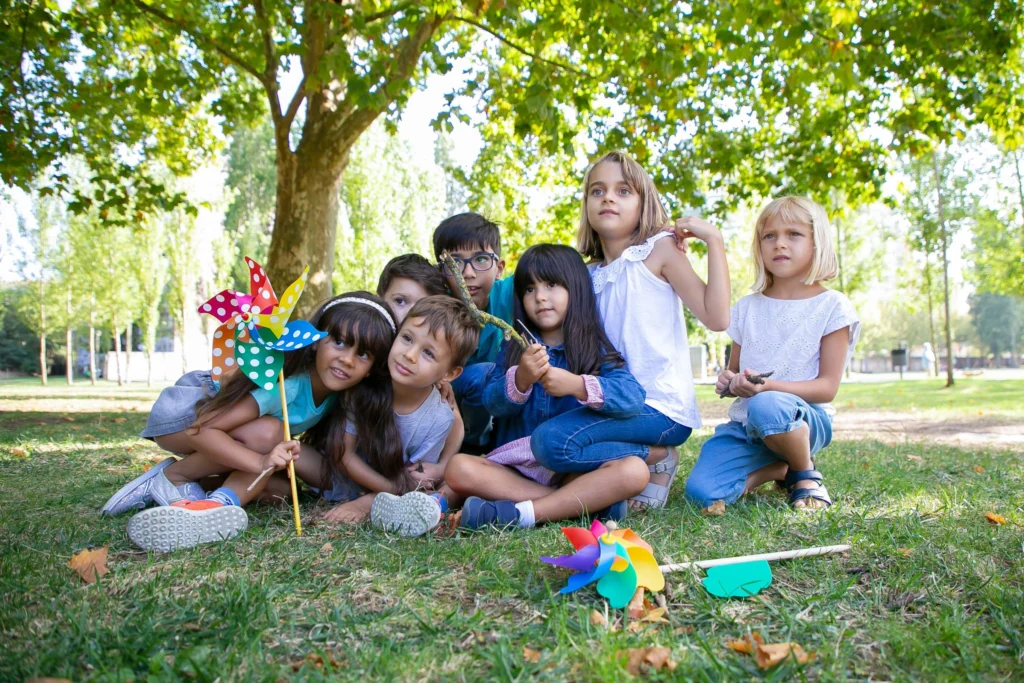
Active play is any kind of play that gets kids moving. Running, jumping, climbing, dancing, pretending to be superheroes if it involves movement and fun, it counts. Unlike structured exercise, active play feels natural. Kids don’t even realize they’re being active, and that’s the magic.
Why does it matter so much? Because active play supports physical health, mental well-being, emotional growth, and social skills all at once. It’s like a multi-vitamin for childhood, packed with benefits in every dose
The Problem with Screen-Heavy Childhoods
Screens aren’t evil, but too much of them can quietly steal opportunities for movement and creativity. Long hours sitting still can lead to poor posture, lower fitness levels, reduced attention spans, and even mood changes.
When screens replace play, kids lose more than physical activity they lose chances to explore, imagine, and interact with the real world. That’s why 2026 is the year to rebalance, not eliminate, screen time
Why Play-Based Resolutions Work Better Than Rigid Goals
Traditional resolutions often fail because they feel like chores. Kids resist rules that don’t make sense to them. Play-based resolutions flip the script. They focus on fun first and results later.
When kids enjoy what they’re doing, consistency happens naturally. Play becomes the engine that drives healthy habits without pressure or stress.
Resolution 1: Move Every Day Through Play
What “Daily Movement” Really Means for Kids
Daily movement doesn’t mean an hour at the gym. It means creating opportunities for kids to move their bodies every single day, even in small ways. Ten minutes of dancing here, a game of tag thereit all adds up.
Examples of Simple Everyday Active Play
- Jumping rope in the driveway
- Racing to the mailbox
- Dancing to favourite songs
- Playing hide-and-seek
- Obstacle courses made from pillows
Movement doesn’t need fancy equipment. Sometimes, imagination is the best gym
Resolution 2: Replace Some Screen Time with Imagination Time
How Imaginative Play Builds Healthy Brains
Imaginative play is where creativity lives. When kids pretend, they problem-solve, communicate, and explore emotions. It’s like strength training for the brain.
Reducing screen time opens space for storytelling, role-playing, and creative thinking all essential skills for the future.
Easy Screen-Free Play Ideas for Home
- Build forts with blankets
- Pretend grocery store or restaurant
- Dress-up games
- Toy scavenger hunts
- DIY crafts and challenges
These activities cost little but deliver big developmental wins.
Resolution 3: Play Together as a Family
Why Family Play Strengthens Emotional Bonds
When parents play with kids, something powerful happens. Trust grows. Communication improves. Kids feel seen and valued. Play becomes a shared language that strengthens family connections.
Fun Active Games Parents Can Join
- Family dance-offs
- Backyard soccer or cricket
- Relay races
- Nature walks with mini challenges
- Simple yoga or stretching together
You don’t need to be perfect just present.
Resolution 4: Let Kids Lead Their Own Play
The Power of Child-Led Play
Kids learn confidence when they lead. Choosing the game, setting the rules, and directing play helps build independence and decision-making skills.
Adult-led schedules can be overwhelming. Child-led play gives kids breathing room to explore at their own pace.
How Adults Can Support Without Controlling
- Offer safe spaces to play
- Provide simple tools or props
- Observe instead of directing
- Encourage without interrupting
Sometimes, the best thing an adult can do is step back.
Resolution 5: Make Play a Lifestyle, Not a Reward
Shifting the Mindset Around Play
Play shouldn’t be something kids earn after finishing homework. It’s not dessert it’s the main course. Treating play as essential sends a powerful message about balance and well-being.
Building Play into Daily Routines
- Walk or bike to nearby places
- Active breaks between study sessions
- Outdoor play before dinner
- Weekend play traditions
When play is routine, healthy habits stick effortlessly.
How FITKIDCLUB Encourages Play-Based Growth
FITKIDCLUB believes fitness should feel fun, not forced. By blending movement with play, creativity, and social interaction, FITKIDCLUB helps kids develop strength, confidence, and joy in staying active.
It’s not about creating athletes it’s about nurturing happy, healthy kids who love to move.
How Parents Can Stick to These Resolutions All Year
Consistency doesn’t require perfection. Some days will be busy, messy, or exhausting and that’s okay. Focus on progress, not pressure.
Start small, celebrate effort, and remember: every playful moment counts.
Conclusion: Resetting Childhood One Playful Step at a Time
The 2026 “Active-Play” Reset is an invitation to slow down, move more, and reconnect with what childhood is meant to be. By choosing play-based resolutions, we give kids more than physical activity. We give them confidence, creativity, connection, and joy.
Let’s make 2026 the year kids run, laugh, imagine, and thrive one playful step at a time.
FAQs
1. How much active play do kids need daily?
Most kids benefit from at least 60 minutes of active play a day, but even shorter bursts throughout the day are valuable.
2. Is active play better than structured exercise for kids?
Yes, active play feels more natural and enjoyable, making kids more likely to stay consistent.
3. How can I reduce my child’s screen time without conflict?
Offer fun alternatives first. When play is engaging, screens naturally become less appealing.
4. Can indoor play be as effective as outdoor play?
Absolutely. Indoor games like dancing, obstacle courses, and imaginative play are great for movement.
5. How does FITKIDCLUB support active play?
FITKIDCLUB focuses on fun, play-based activities that promote fitness, confidence, and lifelong healthy habits.
Join the world’s #1 Kids Fitness & Wellness Community.
✔ Designed for families everywhere
✔ Transform your child’s habits
✔ Reduce screen dependency
✔ Build confidence, energy, and lifelong wellness
Get your FREE consultation now:
➡ https://zfrmz.in/to4uqXcLgJjZF0iczDtI
Follow FitKid on:
Stay inspired with tips, workouts, and nutrition guidance for kids and families: