
Tired Kids, Big Tantrums: The Sleep–Behavior Link Every Parent Must Know
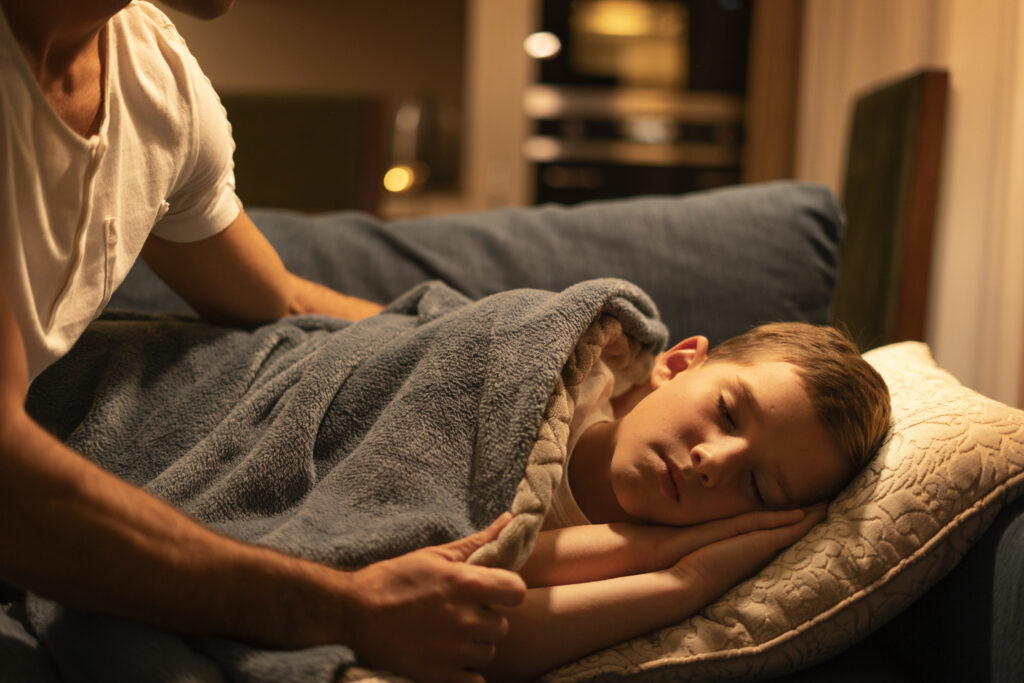
Have you ever noticed your child becoming more irritable, hyperactive, or emotional after a poor night’s sleep? You’re not imagining it. The connection between sleep and child behavior is stronger than most parents realize.
In today’s fast-paced world, irregular sleep schedules, screen exposure, and overstimulation are disrupting children’s sleep patterns, leading to increased tantrums, mood swings, and attention issues. Understanding this sleep–behavior link in kids is essential for raising calmer, healthier, and more focused children.
How Sleep Impacts Your Child’s Behavior
Sleep plays a critical role in brain development, emotional regulation, and overall well-being. When kids don’t get enough quality sleep, their ability to manage emotions is significantly affected.
What Happens When Kids Are Sleep-Deprived?
- Reduced emotional control
- Increased irritability and tantrums
- Difficulty concentrating
- Hyperactivity (often mistaken for excess energy)
- Poor decision-making
Lack of sleep doesn’t just make kids tired, it disrupts their entire behavioral balance.
Why Tired Kids Act Out More
Contrary to what many believe, tired kids don’t always slow down, they often become more active and impulsive.
The Science Behind It
When children are sleep-deprived:
- The brain’s emotional center (amygdala) becomes overactive
- The prefrontal cortex (responsible for self-control) weakens
- Stress hormones like cortisol increase
This leads to emotional outbursts, defiance, and meltdowns, especially in younger children.
Common Signs Your Child Isn’t Getting Enough Sleep
Not all sleep issues are obvious. Watch for these signs:
- Frequent tantrums or emotional outbursts
- Trouble waking up in the morning
- Daytime sleepiness or crankiness
- Difficulty focusing in school
- Increased sugar cravings
How Much Sleep Do Kids Really Need?
Sleep requirements vary by age, but general guidelines include:
- Toddlers (1–3 years): 11–14 hours
- Preschoolers (3–5 years): 10–13 hours
- School-age kids (6–12 years): 9–12 hours
Consistency is just as important as duration.
How to Improve Your Child’s Sleep (Practical Tips)
1. Establish a Consistent Sleep Routine
Children thrive on routine. Set fixed times for:
- Dinner
- Bedtime
- Wake-up
2. Limit Screen Time Before Bed
Blue light from screens disrupts melatonin production.
- Avoid screens at least 60 minutes before bedtime
3. Create a Sleep-Friendly Environment
- Keep the room dark and cool
- Reduce noise and distractions
- Use calming bedtime rituals like reading
4. Focus on Nutrition
What your child eats affects how they sleep:
- Avoid sugary snacks before bedtime
- Include magnesium-rich foods (bananas, nuts)
5. Encourage Physical Activity
Daily movement helps regulate sleep cycles and improves sleep quality.
What Happens When Sleep Improves?
Once your child gets adequate sleep, you’ll likely notice:
- Better mood stability
- Improved focus and learning
- Reduced tantrums
- Higher energy levels (balanced, not hyperactive)
- Stronger immune health
Conclusion: Better Sleep, Better Behavior
Sleep isn’t just rest, it’s a powerful tool for shaping your child’s behavior, mood, and development. Many behavioral issues parents struggle with today are deeply connected to poor sleep habits.
At FitKid Club, we believe that building strong daily routines, sleep, nutrition, and activity, is the foundation of raising healthier and happier kids.
Start prioritizing your child’s sleep today, and you’ll see the difference not just at bedtime, but throughout their entire day.
Join the world’s #1 Kids Fitness & Wellness Community.
✔ Designed for families everywhere
✔ Transform your child’s habits
✔ Reduce screen dependency
✔ Build confidence, energy, and lifelong wellness
Get your FREE consultation now:
➡ https://zfrmz.in/to4uqXcLgJjZF0iczDtI