
Beyond the Screen: 5 Fun Ways to Get Kids Moving Today
Introduction to the Screen-Time Dilemma
The Rise of Passive Screen Time
Let’s face it screens are everywhere. Tablets at breakfast, phones in the car, TVs after homework. For kids, screen time has become as normal as playground time once was. But here’s the catch: most of that screen time is passive. Sitting. Scrolling. Watching. Barely moving a muscle.
Why Kids’ Fitness Needs a Digital Makeover
Telling kids to “go play outside” doesn’t always work anymore. The digital world is simply more exciting. So, what if fitness stepped into that world instead of fighting it? That’s where immersive fitness powered by Virtual Reality (VR) and Augmented Reality (AR) enters the game literally.
Understanding Immersive Fitness
What Is Immersive Fitness?
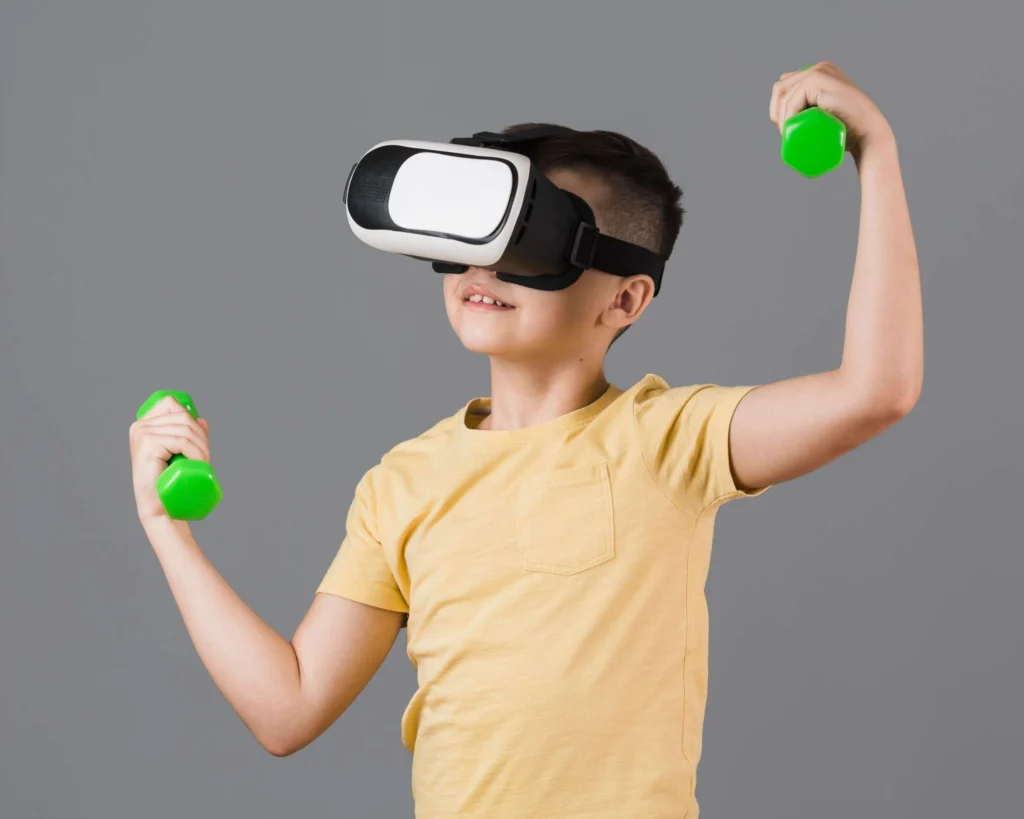
Immersive fitness blends physical movement with digital experiences. Think workouts disguised as adventures. Running from dragons. Dancing through space. Punching targets in a virtual dojo. Kids aren’t exercising they’re playing.
VR vs AR Explained Simply
- VR (Virtual Reality): Fully immersive. Headset on. The real world disappears.
- AR (Augmented Reality): Digital elements layered onto the real world, often through a phone or tablet.
Both get kids moving, sweating, and smiling.
Why Immersion Works for Kids
Kids have wild imaginations. Immersive fitness taps straight into that. When exercise feels like a story instead of a chore, motivation skyrockets.
The Shift from Couch to Console
Replacing Passive Screen Time with Active Play
Not all screen time is bad. The problem is how it’s used. Immersive fitness flips the script screens now demand movement.
Screens That Move You Instead of Melting You
Instead of zoning out, kids jump, squat, dodge, and stretch. The screen becomes a coach, a playground, and a cheerleader rolled into one.
Virtual Reality Workouts for Kids
How VR Turns Exercise into a Game
VR fitness games reward movement. Want to win? You have to move. Want to level up? Sweat a little. It’s genius.
Examples of VR Fitness Experiences for Children
- Rhythm-based dance battles
- Obstacle courses in fantasy worlds
- Sports simulations like boxing, tennis, and soccer
Age-Appropriate VR Workouts
Developers now design VR workouts specifically for kids, focusing on safety, short sessions, and fun-first movement.
Augmented Reality Fitness Apps
What Makes AR Fitness Kid-Friendly
AR doesn’t isolate kids from their surroundings. They move in real spaces living rooms, backyards, parks while digital characters guide them.
Popular AR Fitness Game Concepts
- Treasure hunts that require running
- Fitness quests with animated characters
- Interactive challenges that reward steps and jump
Outdoor + Digital = Double the Fun
AR shines outdoors. Kids chase virtual creatures while getting fresh air. Win-win.
The Science Behind VR Fitness and Kids
Physical Benefits
Immersive fitness improves:
- Cardiovascular health
- Balance and coordination
- Strength and flexibility
Mental and Emotional Benefits
Movement boosts mood. Add fun and achievement, and kids feel confident and proud.
Building Confidence Through Movement
Kids who struggle with traditional sports often thrive in virtual environments where progress feels personal, not competitive.
Why Kids Love Immersive Workouts
Gamification and Rewards
Points. Badges. Levels. Kids love progress they can see.
Avatars, Levels, and Challenges
Custom avatars make kids feel represented. Challenges keep them coming back.
Social and Multiplayer Motivation
Some platforms allow cooperative play, turning workouts into shared adventures.
Parental Perspective on VR Fitness
Safety Concerns and Solutions
Modern VR systems include:
- Time limits
- Parental controls
- Child-safe content
Screen Time That Parents Can Say Yes To
When screens promote movement, parents feel less guilt and more relief.
Setting Healthy Digital Boundaries
Balance is key. Immersive fitness works best as part of a healthy routine, not a replacement for all physical play.
FitKidClub and the Future of Kids’ Fitness
ow FitKidClub Uses VR and AR
FitKidClub embraces immersive fitness to make workouts exciting, inclusive, and habit-forming.
Making Fitness Feel Like Play
Every session feels like a game, not a gym class.
Encouraging Lifelong Healthy Habits
When kids associate movement with joy early on, fitness sticks for life.
Accessibility and Inclusivity
Fitness for All Body Types and Abilities
Immersive fitness adapts to the child, not the other way around.
Customizable Experiences for Every Child
Difficulty levels, pace, and style can all be adjusted.
Challenges of VR Fitness for Kids
Cost and Accessibility
VR gear can be pricey, but AR apps offer affordable entry points.
Balancing Technology and Real-World Play
Technology should enhance life, not replace it. The goal is more movement, everywhere.
Future Trends in Immersive Kids’ Fitness
AI + VR = Smarter Workouts
AI can tailor workouts to each child’s ability and progress.
Personalized Fitness Journeys
No two kids move the same and that’s okay.
Schools and Virtual Fitness Programs
Expect to see immersive fitness entering classrooms and after-school programs soon.
Tips for Parents to Get Started
Choosing the Right VR/AR Fitness Apps
Look for:
- Kid-specific design
- Short sessions
- Positive reinforcement
Creating a Safe Fitness Space at Home
Clear the area. Supervise early sessions. Keep it fun.
Conclusion Turning Screen Time into Strength Time
Screens aren’t going anywhere. But sedentary habits don’t have to stay. With VR and AR, kids can jump, laugh, sweat, and grow stronger all while doing what they love most. Immersive fitness isn’t the future. It’s happening now. And it’s changing kids’ workouts for the better.
FAQs
1. Is VR fitness safe for kids?
Yes, when age-appropriate content, time limits, and supervision are used.
2. What age is best for VR workouts?
Most platforms recommend ages 6–7 and up, depending on the system.
3. How much VR fitness time is recommended?
15–30 minutes per session is ideal for kids.
4. Can AR fitness replace outdoor play?
Nobut it can enhance it by making movement more engaging.
5. Is immersive fitness better than traditional exercise?
It’s not better just different. For many kids, it’s more motivating.
Join the world’s #1 Kids Fitness & Wellness Community.
✔ Designed for families everywhere
✔ Transform your child’s habits
✔ Reduce screen dependency
✔ Build confidence, energy, and lifelong wellness
Get your FREE consultation now:
➡ https://zfrmz.in/to4uqXcLgJjZF0iczDtI
Follow FitKid on:
Stay inspired with tips, workouts, and nutrition guidance for kids and families: