
Are Kids Getting Enough Nutrients From Their Daily Diet?
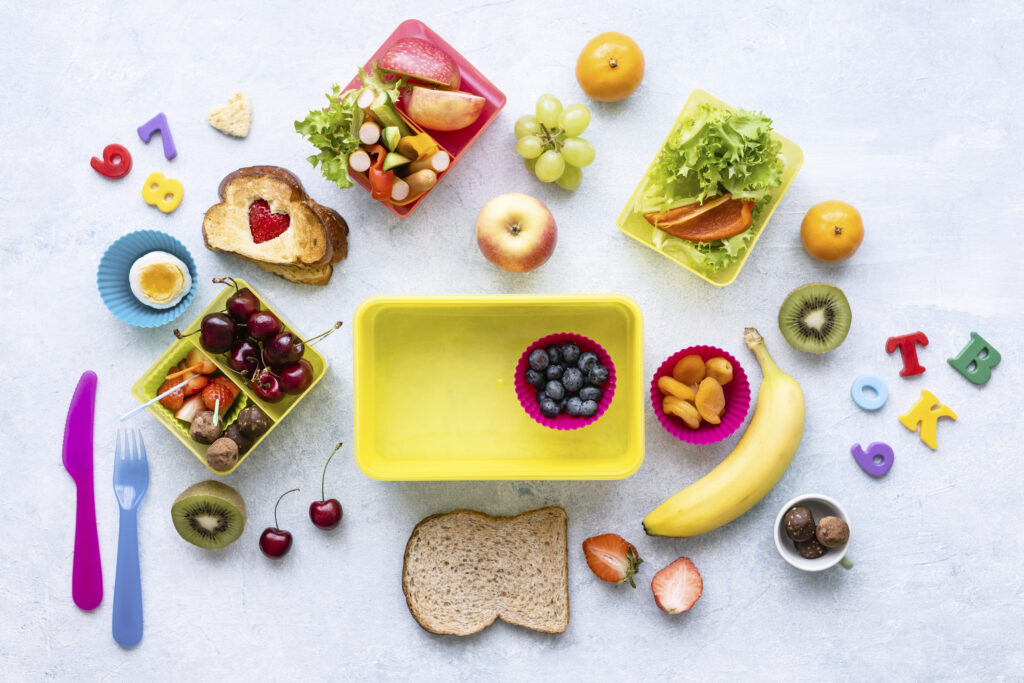
Your child may eat three meals a day, carry a snack to school, drink milk and still miss some of the nutrients their growing body needs.
That is because kids nutrition is not only about how much food a child eats. It is also about the quality, variety and balance of that food.
Modern family life makes this challenging. Busy school schedules, picky eating, packaged snacks, screen time, eating outside the home and limited time for meal preparation can all influence what children eat.
A child can consume enough calories but still have a diet that lacks important nutrients.
The good news? Parents do not need to create a perfect diet. Small, consistent improvements in food variety and meal quality can make a meaningful difference.
According to UNICEF, healthy and diverse diets are important for children’s growth, learning, development and long-term wellbeing.
So, how can parents tell whether their child is getting enough nutrients?
What Does Good Kids Nutrition Actually Mean?
Good nutrition for children means providing a variety of foods that supply the energy, protein, vitamins, minerals, healthy fats and other nutrients needed for growth and development.
The ICMR-National Institute of Nutrition (ICMR-NIN) Dietary Guidelines for Indians 2024 emphasize choosing appropriate foods in adequate quantities across different food groups, with specific attention to children and adolescents.
A balanced child’s diet generally includes:
- Whole grains and other cereals
- Pulses, beans and legumes
- Vegetables, especially a variety of colours
- Fruits
- Milk and other dairy foods, where suitable
- Eggs, fish, poultry or other protein sources
- Nuts and seeds, in age-appropriate forms
- Healthy sources of fats
- Adequate water
The goal is not to make every meal perfect. Instead, look at your child’s overall eating pattern across the day and week.
6 Nutrients That Matter for Growing Kids
Children need many nutrients, but some deserve particular attention because they play important roles in growth, development and everyday activity.
1. Protein
Protein provides building blocks for growing muscles, bones, tissues and other body structures.
Good food sources include:
- Eggs
- Milk, curd and paneer
- Dal and beans
- Chickpeas and other legumes
- Fish and poultry
- Soy and soy-based foods
- Nuts and seeds
A practical approach is to include a protein-rich food at each main meal rather than relying on one food to meet the day’s needs.
2. Iron
Iron is essential for several biological functions, including the formation of haemoglobin, which carries oxygen in the blood.
Children’s diets can include iron-rich foods such as pulses, beans, leafy vegetables, eggs, meat and fish. Pairing plant-based iron sources with vitamin-C-rich foods such as citrus fruits, guava, tomatoes or peppers can help improve iron absorption.
Iron needs vary by age, sex and individual circumstances, so supplements should not be started routinely without professional advice.
3. Calcium and Vitamin D
Calcium is important for developing bones and teeth. Vitamin D plays an important role in calcium absorption and bone health.
Depending on dietary preferences, children may obtain calcium from:
- Milk
- Curd and yogurt
- Paneer
- Certain fortified foods
- Ragi
- Some leafy vegetables
Vitamin D status is more complicated because food intake is only one factor. Sun exposure, age, skin pigmentation, geography and individual health factors can influence vitamin D status.
If you are concerned about deficiency, speak with your child’s pediatrician rather than assuming supplementation is necessary.
4. Vitamin A
Vitamin A supports normal vision, immune function and growth.
Colourful vegetables and fruits can contribute vitamin A and related carotenoids to the diet. Examples include carrots, pumpkin, sweet potato, spinach and other green leafy vegetables.
5. Healthy Fats
Fat is not something parents need to eliminate from a child’s diet.
Children need dietary fat as part of a balanced eating pattern. Sources can include nuts, seeds, nut butters, eggs, fish and appropriate cooking oils.
For younger children, nuts and similar foods should be served in a safe form because whole nuts can be a choking hazard.
6. Fibre
Fibre supports digestive health and is found naturally in fruits, vegetables, whole grains, pulses, beans, nuts and seeds.
Instead of focusing on a specific fibre number, one simple strategy is to gradually increase the variety of plant foods your child eats.
The Biggest Problem May Not Be How Much Your Child Eats
One of the most important ideas in children’s nutrition is diet diversity.
A child might eat enough calories from rice, bread, noodles, biscuits or other staple foods but still have a diet that lacks variety.
UNICEF’s 2025 work on diet diversity highlights that diets dominated by staples and processed foods can contribute to nutritional gaps, while greater food diversity supports better nutritional quality.
This is particularly relevant today because children are surrounded by convenient, highly palatable foods.
Think about a typical busy day:
- Breakfast: Sugary cereal or toast
- School snack: Packaged snack
- Lunch: Rice with a small amount of vegetables
- Evening: Biscuits or another packaged snack
- Dinner: Rice, noodles or another refined staple
There may be plenty of food, but not necessarily enough variety.
The solution is not banning every packaged food.
Instead, gradually make nutrient-dense foods the foundation of the child’s everyday diet.
5 Signs Your Child's Diet May Need More Variety
These signs do not automatically mean your child has a nutrient deficiency. However, they can be useful prompts to review eating habits.
1. Very limited food variety
If your child regularly eats only a small selection of foods, they may miss certain nutrients over time.
2. Very few fruits and vegetables
A diet with little produce can reduce exposure to important vitamins, minerals and fibre.
3. Protein appears only occasionally
If meals are mostly made up of refined carbohydrates with little protein-rich food, the overall diet may benefit from more balance.
4. Packaged snacks dominate snack time
Biscuits, chips, sugary drinks and other processed foods can be convenient, but they should not consistently replace more nutritious options.
5. Meals are rushed or skipped
Busy mornings and school schedules can make breakfast or other meals inconsistent.
These patterns are worth addressing, but they are not a substitute for medical assessment. If your child has poor growth, persistent fatigue, significant changes in appetite, digestive symptoms or another health concern, consult a pediatrician.
How Parents Can Improve Kids Nutrition Without Mealtime Battles
Healthy eating does not have to become a daily negotiation.
Try these simple strategies.
Build meals around variety
Instead of asking, “Did my child eat enough vegetables today?” look at the bigger picture.
Across the day, aim to offer foods from several food groups.
Use the “add, don’t just remove” approach
Instead of saying:
“Stop eating biscuits.”
Try:
“Let’s have fruit and yogurt with your snack too.”
Adding nutritious foods can feel less restrictive and more practical.
Make healthy foods easy to reach
Keep washed fruit visible and convenient. Prepare simple options such as boiled eggs, homemade snacks, curd, fruit or vegetable sticks when appropriate for your child’s age.
Let children participate
Children are often more interested in food when they have some involvement.
Let them:
- Choose between two fruits
- Wash vegetables
- Mix ingredients
- Help pack their lunch
- Pick a new vegetable to try
Don’t force children to finish everything
Appetite can vary from one day to another.
Parents can decide what, when and where food is offered, while children can learn to recognize their own hunger and fullness cues.
Focus on consistency, not perfection
A birthday party, restaurant meal or occasional packet of chips will not define your child’s nutrition.
What matters more is the overall pattern.
What About Picky Eaters?
Picky eating is common during childhood.
A child may reject a vegetable several times before accepting it. That does not necessarily mean the food should disappear from the menu permanently.
Continue offering a variety of foods without turning every meal into a battle.
For example, if your child dislikes spinach, you might offer it in different family meals rather than insisting they eat a large serving immediately.
You can also pair less familiar foods with foods your child already enjoys.
Most importantly, avoid using food as a reward or punishment whenever possible. The goal is to help children develop a comfortable, positive relationship with food.
A Simple Daily Nutrition Checklist for Parents
Instead of counting every calorie or nutrient, use this quick checklist:
✓ Protein-rich food
✓ At least one fruit
✓ A variety of vegetables
✓ Whole grains or other nutrient-rich carbohydrates
✓ Dairy or another suitable calcium source
✓ Healthy fats from foods such as nuts, seeds or fish
✓ Plenty of water
✓ Limited sugary drinks and highly processed snacks
This is a simple framework, not a medical prescription. Children’s nutritional requirements vary based on age, growth, activity, dietary pattern and individual health needs.
For children with allergies, restrictive diets, growth concerns or diagnosed deficiencies, personalized advice from a pediatrician or qualified dietitian is more appropriate.
Healthy Eating and Physical Activity Go Together
Nutrition is only one part of children’s wellbeing.
Children also need regular opportunities to move, play and be physically active.
The combination of nutritious food, adequate sleep, physical activity, hydration and healthy routines supports a child’s overall development.
This matters even more as screen-based entertainment becomes a larger part of everyday life.
Rather than focusing only on structured exercise, encourage activities children enjoy, cycling, dancing, outdoor games, swimming, walking, sports or simply active play.
The goal is to make movement a normal part of childhood.
The Bottom Line: Is Your Child Getting Enough Nutrients?
There is no single meal that can tell you whether your child is getting everything they need.
The better question is:
Does my child’s overall diet provide enough variety and nutrient-rich foods to support healthy growth and development?
If meals regularly include different food groups, colourful fruits and vegetables, adequate protein, sources of calcium and iron, healthy fats, whole grains and water, you are building a strong nutritional foundation.
At the same time, persistent concerns about growth, appetite, energy levels or possible deficiencies deserve professional evaluation.
Good kids nutrition is not about creating a perfect plate every day. It is about creating healthy patterns that children can carry into adolescence and adulthood.
At Fitkid Club, we believe children’s health should go beyond food alone. Nutrition, movement, healthy habits and family support can work together to help children grow with confidence.
Explore Fitkid Club to discover practical, family-friendly approaches to children’s fitness, nutrition and wellness.
FAQs
1. How do I know if my child is getting enough nutrients?
Look at your child’s overall eating pattern rather than one meal. A varied diet containing protein-rich foods, fruits, vegetables, whole grains, healthy fats and appropriate calcium sources can help provide a broad range of nutrients. If you are concerned about growth, appetite or possible deficiencies, speak with a pediatrician.
2. What nutrients are most important for children’s growth?
Children need many nutrients, including protein, iron, calcium, vitamin D, vitamin A, zinc, healthy fats and fibre. The importance of each nutrient varies with age and individual needs, which is why dietary variety is more useful than focusing on one “superfood.”
3. How can I improve my child’s nutrition if they are a picky eater?
Continue offering a variety of nutritious foods without forcing your child to eat them. Offer new foods alongside familiar favourites, involve children in food preparation and give them repeated opportunities to explore different flavours and textures.
4. Does my child need vitamin supplements?
Not every child needs supplements. Nutritional supplements may be appropriate in certain situations, but the need depends on the child’s diet, age, health status and risk of deficiency. Discuss supplementation with a pediatrician or qualified healthcare professional.
5. Are packaged snacks bad for kids?
Packaged foods are not automatically “bad,” but many highly processed snacks can be high in added sugars, salt or saturated fat while providing fewer nutrients. They can be included occasionally, but nutrient-dense whole or minimally processed foods should make up a substantial part of a child’s everyday diet.
6. How important is breakfast for children?
Breakfast can be a useful opportunity to provide energy and nutrients before a busy school or activity day. Rather than focusing only on whether a child eats breakfast, consider the quality of the food offered and the child’s overall eating pattern.
7. Can a healthy diet improve a child’s immunity?
Good nutrition supports normal immune function, but no single food can “boost” or guarantee immunity. A varied diet, adequate sleep, physical activity, hygiene, vaccinations and appropriate healthcare all contribute to children’s overall health.
Join the world’s #1 Kids Fitness & Wellness Community.
✔ Designed for families everywhere
✔ Transform your child’s habits
✔ Reduce screen dependency
✔ Build confidence, energy, and lifelong wellness
Get your FREE consultation now:
➡ https://zfrmz.in/to4uqXcLgJjZF0iczDtI