
Hydration for Kids: The Most Ignored Performance Factor
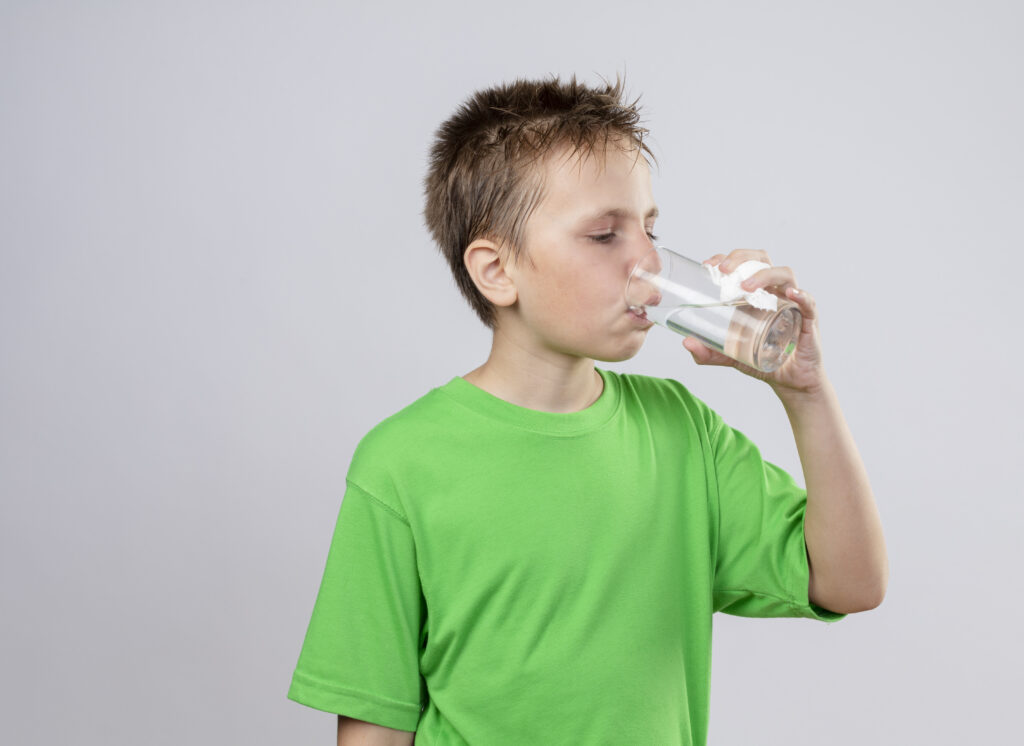
Picture this. Your child comes home from school tired, a little cranky, and says the homework is “too hard today.” You blame the syllabus, the late bedtime, or the tuition schedule. But what if the real culprit is sitting untouched in their school bag, a full water bottle that went home exactly as it left?
Hydration for kids is one of the simplest and least discussed levers of childhood performance. It shapes how well children think, how steadily their mood holds, and how much energy they have for play. Yet most of us only think about water when summer arrives or when a child is already unwell.
In this guide, you’ll learn why water matters so much for growing bodies and brains, how much your child actually needs, and practical ways to make good hydration a daily habit in an Indian household.
Quick Answer: How Much Water Does a Child Need?
Children aged 4–8 need about 1.6 litres of total water a day, and children aged 9–13 need roughly 1.9–2.1 litres. This includes water from food, milk and other drinks. Needs rise in hot weather and on active days. Pale-yellow urine is the easiest sign that your child is well hydrated.
Why Hydration for Kids Matters More Than We Think
Water makes up a large share of a child’s body weight. It carries nutrients to cells, regulates body temperature, cushions joints, supports digestion, and helps the brain work efficiently.
Children also have a built-in disadvantage. They are more prone to what researchers call involuntary dehydration, which means they often don’t recognise thirst or act on it. A child absorbed in cricket, a video game or a classroom lesson simply doesn’t stop to drink. They depend on adults to notice and offer water.
That puts parents in a quiet but powerful position.
The Brain Connection: Hydration and Focus in Children
This is where hydration becomes a true performance factor, not just a health tip.
Researchers at the University of Illinois and their collaborators studied pre-adolescent children over several days. Children who started out better hydrated did better on a task-switching test, which measures mental flexibility. In a related experiment, higher water intake improved hydration markers in the children, which is what you’d expect.
Other studies point the same way:
- Italy (Sardinia): In a study of 168 children aged 9–11 living in a hot climate, about 84% were already mildly dehydrated at the start of the school day. Drinking extra water at school was linked to better short-term memory.
- United Kingdom: Researchers tracking 9–10 year olds found that hydration markers slipped toward dehydration as the school day went on, even though water was freely available. Hydration status was linked to working memory and long-term memory.
- Egypt: In a group of 200 children aged 9–13, around 59% showed signs of dehydration, and higher fluid intake was associated with better attention, memory and visual search.
None of these studies prove that a glass of water will turn your child into a topper. But the pattern is consistent: children who drink enough tend to concentrate and remember better. Many of these studies were done in warm regions, which makes them especially relevant for Indian families.
Hydration and Sports Performance in Kids
If your child plays cricket, football, badminton, swimming or just runs around the building compound, water becomes even more important.
When children sweat, they lose fluid. Their bodies also tend to heat up faster than an adult’s during exercise. Even mild dehydration can bring on early fatigue, dizziness, muscle cramps, slower reaction time and loss of coordination. Often the child simply says, “I’m bored, let’s stop,” when the body is really saying, “I need water.”
A simple approach for active kids:
- Before play: a glass of water in the hour before activity.
- During play: small, regular sips every 15–20 minutes rather than one big gulp.
- After play: water first, then a nourishing snack.
For most children, plain water is enough for activity under an hour. Sports drinks are usually unnecessary and often add sugar your child doesn’t need.
How Much Water Should a Child Drink Per Day? (Age-Wise Guide)
The European Food Safety Authority sets adequate total water intake for children as follows. These figures include water from food, milk and beverages.
| Age | Total Water per Day | Approx. from Drinks* |
|---|---|---|
| 2–3 years | 1.3 litres | about 1 litre |
| 4–8 years | 1.6 litres | about 1.3 litres (5–6 glasses) |
| 9–13 years (girls) | 1.9 litres | about 1.5 litres (7 glasses) |
| 9–13 years (boys) | 2.1 litres | about 1.7 litres (8 glasses) |
*Roughly 20% of daily water usually comes from food, so drinks cover the remaining 80%. A glass is taken as about 200 ml.
Treat these as starting points, not strict targets. Add more on hot days, during sport, or when your child is unwell. For India-specific nutrition guidance, the ICMR-NIN Dietary Guidelines for Indians are a useful companion reference.
Signs of Dehydration in Kids Parents Often Miss
Children rarely say “I’m dehydrated.” Instead, they show it in ways that look like something else:
- Unusual tiredness or low energy
- Irritability, mood swings or sudden meltdowns
- Headaches
- Trouble concentrating or “silly mistakes” in homework
- Dry lips, dry mouth, or few tears when crying
- Dark yellow urine, or fewer toilet visits than usual
- Dizziness when standing up quickly
The urine colour check is the easiest home tool. Aim for pale straw or light yellow. Dark yellow or amber suggests it’s time for more fluids.
When to see a doctor: If your child has sunken eyes, extreme sleepiness, no urine for 8 hours or more, or persistent vomiting or diarrhoea, seek medical care promptly. In case of diarrhoea, doctors commonly recommend oral rehydration solution (ORS). Please use it under your paediatrician’s guidance.
Why Kids Drink Less Than They Should: The Modern Parenting Challenge
If your child isn’t drinking enough, you’re not alone. Several everyday realities get in the way:
- School washroom worries. Many children avoid water to avoid asking for a bathroom break or using unclean toilets.
- Long, busy days. School, tuition, hobby classes and homework leave few natural pauses to drink.
- Screen time. Children glued to a screen forget thirst entirely.
- Sugary drinks. Packaged juices, aerated drinks and flavoured milk quietly replace water. They fill the stomach but add sugar without hydrating as well as plain water.
- Air-conditioned spaces. Cool rooms and car rides hide how much fluid a child is actually losing.
- Bottle fatigue. A lost, leaky or boring bottle often means no water at all.
Knowing the barrier makes the solution easier to find.
10 Practical Kids Hydration Tips for Indian Parents
- Start the morning with water. One glass before breakfast sets the tone.
- Let them choose the bottle. A steel bottle with their favourite colour or sticker is used far more than a plain one.
- Send a bottle that gets refilled. Fill it again at school during the break if your school allows.
- Talk to the school. Ask teachers to allow water sips and bathroom breaks without fuss.
- Make water-rich foods a habit. Watermelon, muskmelon, cucumber, oranges, tomatoes, curd and sabzis with high water content all count toward daily intake.
- Try traditional hydrators. Chaas (buttermilk), coconut water and nimbu pani with minimal sugar are good occasional choices.
- Infuse for fun. Mint, cucumber slices or a few lemon wedges make plain water more inviting without added sugar.
- Build water cues into the day. Link it to routines: after brushing, after school, before dinner, after play.
- Model it yourself. Children copy what they see. When parents sip water regularly, kids follow.
- Use a simple chart. A sticker chart that tracks “bottle finished” turns hydration into a game younger children love.
A note on safety: Always give children clean, safe drinking water, filtered or boiled where needed. Also avoid forcing large amounts at once. Steady sipping through the day works better than gulping.
Hydration, Sleep and Healthy Weight: The Bigger Picture
Hydration doesn’t work in isolation. A well-hydrated child often finds it easier to stay active, sleep better, and choose water over sugary drinks, all of which support a healthy weight. It’s one small habit that quietly supports many others in your child’s daily routine.
Final Thoughts: Small Sips, Big Gains
Hydration for kids isn’t glamorous. There are no gadgets or special supplements involved. But the research is clear that water supports attention, memory, mood and physical stamina. For a child juggling school, sport and screens, it may be the easiest performance upgrade you can offer.
Start small this week. Fill the bottle, set a few cues, check the urine colour, and watch what changes. Consistent hydration for kids builds habits that last well into adulthood.
Frequently Asked Questions About Hydration for Kids
How much water should a child drink per day?
Children aged 4–8 need about 1.6 litres of total water daily, and those aged 9–13 need around 1.9–2.1 litres. This includes fluids from food, milk and drinks. Increase the amount during hot weather, exercise or illness.
What are the first signs of dehydration in kids?
Early signs include thirst, dark yellow urine, dry lips, tiredness, headaches, irritability and trouble concentrating. Younger children may also cry with fewer tears or visit the toilet less often than usual.
Does dehydration affect a child’s concentration and memory?
Research suggests it can. Studies in school-aged children have linked better hydration with improved attention, working memory and mental flexibility. Mild dehydration is common during the school day, so regular sipping helps.
Is plain water better than juice for kids?
For daily hydration, yes. Plain water hydrates without added sugar. Packaged juices and aerated drinks can add excess sugar, so keep them occasional. Whole fruit is a better choice than juice.
Do kids need sports drinks or electrolytes?
Most children don’t need them for everyday play or activity lasting under an hour. Water is usually enough. ORS is useful during diarrhoea or vomiting, but only with medical advice.
How can I get my picky child to drink more water?
Let them pick their own bottle, offer infused water, add water-rich fruits, and tie sips to daily routines. Praise and modelling work better than pressure.
Can a child drink too much water?
It’s uncommon, but possible. Drinking very large amounts in a short time can upset the body’s salt balance. Encourage steady sipping through the day rather than forcing big quantities.
Give Your Child the Gift of Better Rest
Healthy kids aren’t built by meals and workouts alone. They’re built by routines that include enough sleep. At Fitkid Club, we help parents create balanced habits around fitness, nutrition, and daily rhythm so children grow stronger, happier, and more energetic.
Explore Fitkid Club’s programs and resources, and take the first step toward healthier habits for your child.
Join the world’s #1 Kids Fitness & Wellness Community.
✔ Designed for families everywhere
✔ Transform your child’s habits
✔ Reduce screen dependency
✔ Build confidence, energy, and lifelong wellness
Get your FREE consultation now:
➡ https://zfrmz.in/to4uqXcLgJjZF0iczDtI