
Kids Fitness Programs: 7 Powerful Benefits for Growth & Confidence
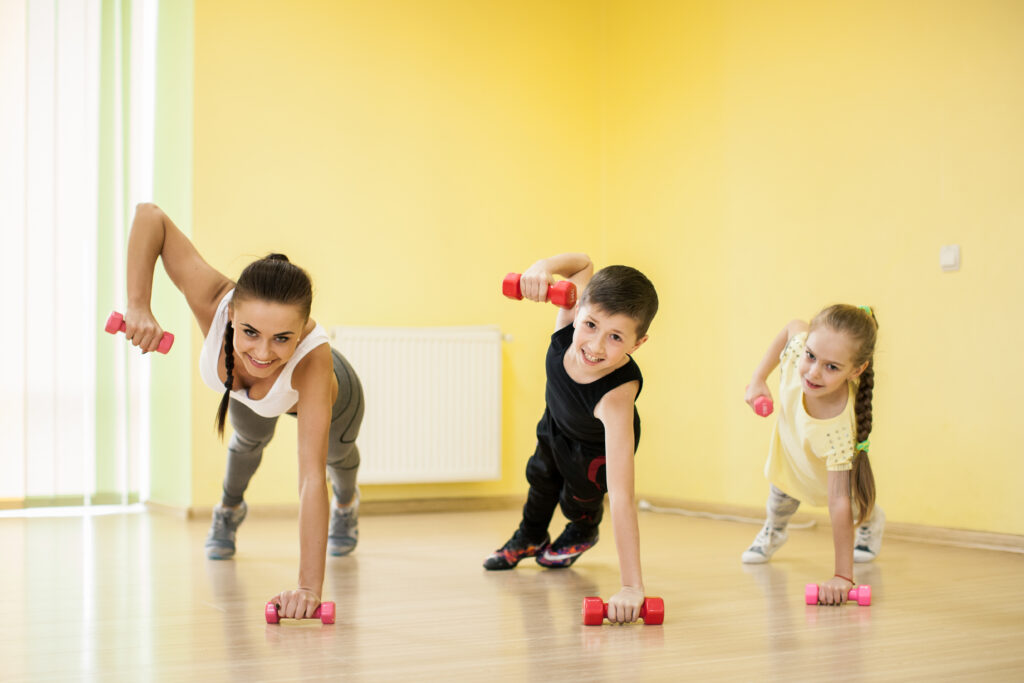
Picture this: your 8-year-old walks into a room full of strangers, introduces herself without hesitation, and dives into a new activity with zero fear. Now imagine that same child six months ago, shy, anxious, and clinging to your leg.
What changed? She joined a kids fitness program.
As a parent in today’s screen-heavy world, you already know how hard it is to pull children away from devices and into meaningful activity. But here’s what most parents don’t realize: kids fitness programs do far more than burn calories. They shape character, build resilience, and lay the foundation for a lifetime of healthy habits.
Let’s look at what the research says, and what it actually means for your child.
Why Structured Fitness Matters More Than Free Play Alone
There’s nothing wrong with letting kids run freely in the backyard. But structured fitness programs offer something that unstructured play simply cannot: consistent skill progression, expert guidance, and measurable confidence growth.
According to a comprehensive review published in PLOS One, supervised physical activity interventions show significant positive effects on children’s self-concept and self-worth. The more regular and intentional the exercise, the better the outcomes across physical, emotional, and cognitive development.
In 2025, more than 64% of families globally prioritized organized fitness programs for their children to reduce sedentary behavior and improve motor skills, and that number keeps rising.
7 Research-Backed Benefits of Kids Fitness Programs
1. Stronger Bones and Muscles During the Growth Years
Childhood is the most critical window for bone development. Regular physical activity increases bone mineral content and mineral density in children, leading to greater strength and stability of the skeleton. Structured programs that include age-appropriate weight-bearing activities, jumping, climbing, resistance, give growing bodies exactly what they need.
2. Genuine Confidence That Lasts Beyond the Gym
This one surprises many parents. Researchers who reviewed 22 studies found the strongest evidence for improvements in physical self-perceptions, which accompanied enhanced self-esteem in the majority of children who participated in physical activity.
Every time your child learns a new skill, kicks a goal, completes a circuit, nails a balance pose, their brain logs it as proof that I can do hard things. That internal shift carries into classrooms, friendships, and challenges for years to come.
3. Better Focus and Academic Performance
A tired, fidgety child cannot learn effectively. The benefits of regular physical training include improved subjective well-being, greater self-esteem, better emotional regulation, and overall improvement in cognitive function.
Children who exercise regularly are better equipped to sit, concentrate, retain information, and manage school-day stress. Fitness isn’t the opposite of academics, it’s the fuel that powers them.
4. Emotional Regulation and Mental Wellness
Physical activity stimulates the release of endorphins, the “feel-good” hormones, which reduce stress, anxiety, and symptoms of depression. Regular exercise also boosts self-esteem, improves body image, and promotes a positive self-perception.
For children navigating social pressures and big emotions, having a physical outlet isn’t optional, it’s essential.
5. Social Skills and Teamwork
Whether through team sports, group activities, or family outings, physical activity offers children opportunities to interact with others, develop social skills, and build self-confidence. Organized sports and fitness programs teach children valuable life skills such as teamwork, communication, and leadership.
In a kids fitness class, your child learns to cheer for others, accept feedback, take turns, and collaborate, social muscles that no screen can train.
6. A Growth Mindset and Resilience
Through sports and active play, kids encounter moments of failure, perseverance, and growth that help them develop a strong sense of self. Physical activity gives children a space where effort is celebrated, which can shape a growth mindset and buffer against perfectionism.
This resilience, built one small fitness win at a time, follows children into adulthood.
7. Healthy Habits Wired Early
Habits formed in childhood tend to stick. Children who participate in regular fitness programs are significantly more likely to remain active as teenagers and adults. You’re not just investing in today’s health, you’re programming tomorrow’s lifestyle.
Modern Challenges Parents Face (And How Fitness Programs Help)
Let’s be real. You’re juggling work, school runs, meals, and screen time battles, all before 9 AM. Here’s where a structured kids fitness program quietly solves several problems at once:
- Screen addiction: Gives children a compelling, physical alternative they want to show up for
- Low energy and poor sleep: Regular activity improves sleep quality and daytime energy levels
- Social anxiety: Group fitness settings build social comfort in a non-academic environment
- Sedentary routines: Modern lifestyles characterized by increased screen time, urbanization, and limited access to safe outdoor spaces have contributed significantly to declining physical activity levels among children, structured programs directly counter this.
What to Look for in a Quality Kids Fitness Program
Not all programs are created equal. Here’s what expert-designed children’s fitness looks like:
- Age-appropriate structure: Activities matched to developmental stages (not watered-down adult workouts)
- Qualified coaches: Instructors trained in child development and youth physical education
- Positive environment: Encouragement-based, not performance-pressure-based
- Variety of movement: Cardio, strength, flexibility, coordination, and balance, all covered
- Fun as a foundation: The best program is the one your child loves attending
Practical Tips for Parents: How to Get Started
- Start with one session a week – consistency matters more than frequency initially
- Let your child choose the activity – buy-in increases commitment
- Celebrate effort, not just results – “You worked so hard today” goes further than “Did you win?”
- Be an active role model – children mirror what they see at home
- Communicate with coaches – good programs welcome parental involvement
In Summary
Kids fitness programs are one of the most impactful investments you can make in your child’s overall development. Beyond physical health, they build the confidence, resilience, focus, and social skills that shape well-rounded, happy children. The CDC recommends at least 60 minutes of moderate-to-vigorous physical activity daily for school-aged children, and a structured fitness program makes that goal achievable, sustainable, and genuinely enjoyable.
The earlier you start, the stronger the foundation. And that foundation pays dividends for a lifetime.
Frequently Asked Questions
Q1. At what age should kids start a fitness program?
Children can begin structured, play-based fitness activities as early as age 3. Programs designed for toddlers focus on movement, coordination, and fun rather than performance. As children grow, programs become progressively more structured and skill-focused.
Q2. How many days a week should kids exercise?
The CDC recommends that children aged 6–17 get at least 60 minutes of moderate-to-vigorous physical activity every day. A structured fitness program 3–4 days per week, combined with active outdoor play, comfortably meets this goal.
Q3. Can kids fitness programs really improve confidence and self-esteem?
Yes, and the science backs this up clearly. Multiple peer-reviewed studies confirm that supervised physical activity significantly improves self-esteem, self-concept, and emotional well-being in children aged 3–17.
Q4. What is the difference between kids fitness programs and regular sports?
Sports focus on competitive performance in a specific discipline. Kids fitness programs focus on overall physical development, strength, flexibility, balance, coordination, and endurance, in a non-competitive, inclusive environment. Both are valuable, but fitness programs are often more accessible for all body types and abilities.
Q5. Will a fitness program help my child do better in school?
Research consistently shows that physically active children demonstrate better concentration, memory, and classroom behavior. Exercise increases blood flow to the brain and regulates mood, both of which directly support academic performance.
Q6. My child is shy and not sporty. Can they still benefit?
Absolutely. In fact, shy children often benefit most from structured fitness programs. The supportive group environment, small wins, and skill-building create a safe space for social growth, without the high-stakes pressure of competitive sport.
Q7. How do I know if a kids fitness program is safe and effective?
Look for programs with certified instructors, age-appropriate curriculum, clear safety protocols, and positive reviews from other parents. A good program should focus on enjoyment and progressive skill development, never on pushing children beyond safe limits.
Join the world’s #1 Kids Fitness & Wellness Community.
✔ Designed for families everywhere
✔ Transform your child’s habits
✔ Reduce screen dependency
✔ Build confidence, energy, and lifelong wellness
Get your FREE consultation now:
➡ https://zfrmz.in/to4uqXcLgJjZF0iczDtI