
Best Strength-Building Activities for Growing Children
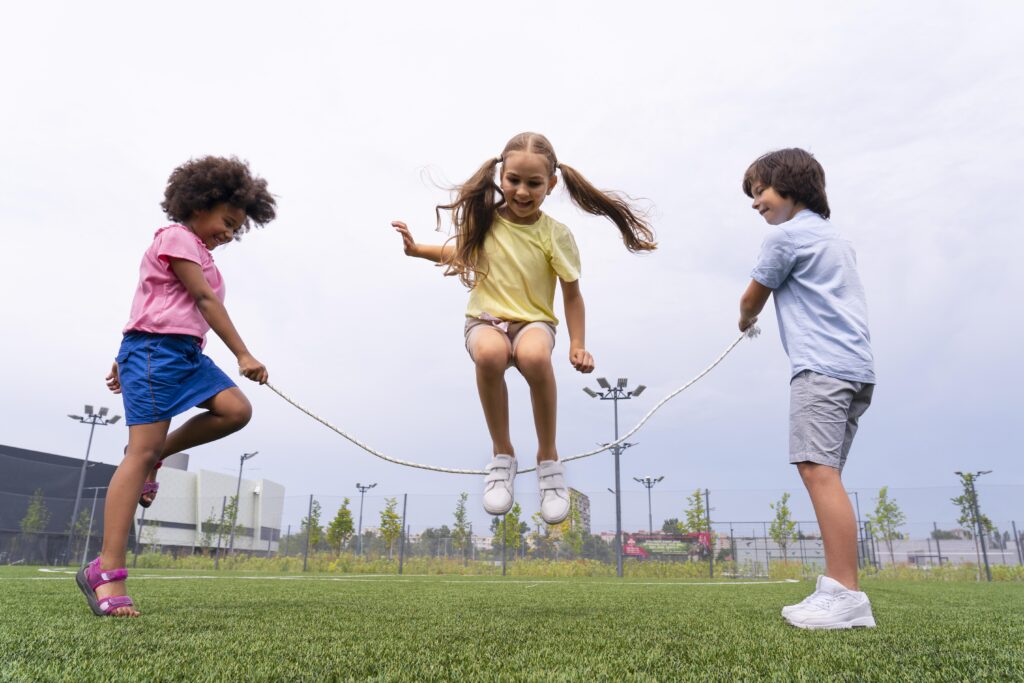
Be honest, when was the last time your child spent an hour running, climbing, or playing outside without being pulled back to a screen? If that stings a little, you’re not alone. Across India and globally, children are sitting more than any previous generation, in classrooms, in cars, and in front of devices.
The result? Pediatric health experts are seeing a troubling rise in weak posture, poor muscle endurance, and early bone density issues in children as young as 8. But here’s the good news: strength-building activities for kids don’t require a gym, heavy weights, or expensive equipment. They require just one thing, consistent, joyful movement.
This guide, built on the latest 2025 research, gives you a clear, practical roadmap to help your child build real physical strength in ways that are safe, age-appropriate, and genuinely fun.
What Is Strength Training for Children?
Strength training for children refers to any structured, repetitive physical activity that challenges muscles to work against resistance. Contrary to popular myth, this does not mean your 9-year-old needs to be lifting weights. For kids, strength training is typically bodyweight-based, using their own body as resistance through movements like push-ups, squats, jumping, climbing, and crawling.
The World Health Organization (WHO) recommends that children aged 5–17 accumulate at least 60 minutes of moderate-to-vigorous physical activity daily, with muscle and bone-strengthening activities on at least 3 days per week. Most children today fall well short of this.
Benefits of Strength-Building Activities for Growing Children
The benefits go far beyond bigger muscles. Here’s what the science actually shows:
- Stronger bones: Weight-bearing activities stimulate bone mineral density during the years when bones are still forming, reducing fracture risk and laying a foundation for lifelong skeletal health.
- Injury prevention: Children with better-trained muscles are significantly less likely to get injured during sports, because strong muscles protect joints and absorb impact.
- Better mental health: Kids who engage in regular strength training display higher self-esteem, better mood regulation, and reduced anxiety compared to sedentary peers.
- Improved academic performance: A 2025 systematic review published in MDPI Children observed a positive correlation between strength levels and short-term memory capacity in primary school students.
- Metabolic health: Regular movement helps children maintain a healthy weight, improve insulin sensitivity, and reduce the risk of lifestyle-related conditions increasingly affecting younger populations.
- Confidence and coordination: Mastering physical challenges, climbing a wall, completing a circuit, winning a relay, builds real-world competence and genuine self-confidence.
Best Strength-Building Activities for Growing Children (by Age)
Ages 5–7: Animal Movement Games
Bear crawls, crab walks, frog jumps, and donkey kicks are full-body movements that build core strength, coordination, and flexibility , disguised as pure play. No instruction manual needed. Just get on the floor with them.
Ages 5–9: Outdoor Climbing
Monkey bars, climbing walls, playground structures, and even trees naturally develop grip strength, upper-body power, and spatial awareness simultaneously. This is strength training at its most instinctive.
Ages 7–12: Bodyweight Circuit Training
Structured sets of squats, push-ups, lunges, and planks, done in a fun, time-based format, build real muscular endurance without any equipment. A simple 20-minute circuit, 3 days a week, is enough to see meaningful progress within 6–8 weeks.
Ages 6–14: Swimming
One of the best full-body strength and cardiovascular activities for children. Water resistance builds muscle without joint stress, making it ideal for kids with growing joints or those recovering from minor injuries.
Ages 8–14: Cycling
Develops lower body strength, cardiovascular fitness, and balance. Cycling also supports healthy lung development and builds the kind of outdoor independence that benefits kids mentally as much as physically.
Ages 9–14: Martial Arts
Structured martial arts, karate, taekwondo, wrestling, build functional strength, flexibility, self-discipline, and focus, making them one of the most holistic physical development programs available for older children.
Modern Challenges Parents Must Address
Even the best routine struggles against today’s lifestyle realities:
- Screen addiction: Replace one daily screen hour with outdoor movement, consistently.
- Junk food: Muscle development needs protein. Prioritize eggs, paneer, lentils, and nuts daily.
- Sedentary schooling: Short movement breaks between study sessions add up significantly over time.
- Poor sleep: Growth hormone is released during deep sleep. Children aged 6–12 need 9–11 hours nightly, with no screens one hour before bed.
Start Small. Start Now.
The strongest investment you can make in your child’s future isn’t a tutor or a gadget, it’s the habit of consistent movement. Strength-building activities for kids don’t need to be complicated. They just need to happen.
Replace one screen hour with outdoor play. Do a family plank challenge before dinner. These small choices compound into a child who is physically capable, mentally resilient, and genuinely confident in their own body.
The CDC and WHO both recognize regular physical activity as one of the most powerful health interventions available, for children as young as 5. The time to start is not later. The time is now.
Frequently Asked Questions
At what age can children start strength training? From age 5 through play-based movement, and formal bodyweight exercises from around age 7–8 with supervision.
Is strength training safe for kids? Yes. A 2025 meta-analysis confirms supervised strength training does not damage growth plates, it actually promotes healthy bone density.
How many days per week should kids do strength activities? At least 3 days per week, as part of their recommended 60 minutes of daily physical activity.
What foods support strength development in children? Eggs, paneer, lentils, dairy, and nuts provide the protein and nutrients needed for muscle and bone development. Limit ultra-processed snacks.
Can sports alone build sufficient strength? Sports help, but 2–3 weekly bodyweight sessions complement them by addressing muscle imbalances and reducing injury risk.
Join the world’s #1 Kids Fitness & Wellness Community.
✔ Designed for families everywhere
✔ Transform your child’s habits
✔ Reduce screen dependency
✔ Build confidence, energy, and lifelong wellness
Get your FREE consultation now:
➡ https://zfrmz.in/to4uqXcLgJjZF0iczDtI