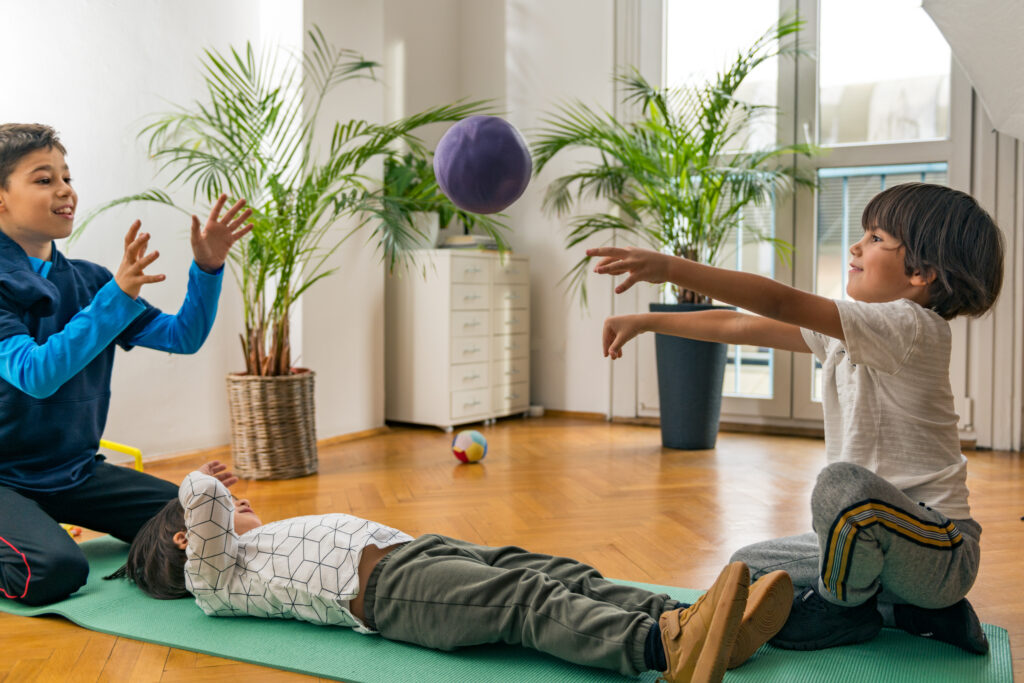
Movement & Memory: How Physical Play Improves Learning Retention in Kids
Introduction: Physical play and learning are deeply connected in child brain development.
When children move their bodies, they are not just burning energy they are strengthening memory pathways, improving focus, and enhancing how information is stored in the brain.
The Science Behind Movement and Memory
The brain thrives on movement. During physical activity, the body increases blood flow and oxygen delivery to the brain. This supports the hippocampus the part of the brain responsible for memory formation.
Physical play and learning work together because movement:
Stimulates neural connections
Increases dopamine levels
Improves cognitive flexibility
Enhances attention span
When kids sit for long periods without movement, mental fatigue increases and retention drops.
Why Sitting Too Long Reduces Retention
Modern classrooms and screen time often require extended sitting. While necessary at times, prolonged inactivity can:
Children are biologically wired to learn through action.
Short bursts of movement improve how the brain absorbs information.
How Physical Play Strengthens Memory Retention
Physical play improves learning retention by:
1. Activating Both Brain Hemispheres
Cross-body movements (like crawling or skipping) improve communication between the left and right sides of the brain.
2. Boosting Neurotransmitters
Movement increases dopamine and serotonin, which enhance focus and mood.
3. Improving Executive Function
Active play strengthens planning, impulse control, and problem-solving skills.
When the brain is stimulated through motion, memory encoding becomes stronger.
The 10-Minute Movement Boost
Research shows that just 10–20 minutes of physical activity before studying can improve retention.
Simple options include:
Jump rope
Tag games
Animal walks
Short obstacle courses
Dancing
Physical play and learning work best when movement happens before or between study sessions.
Outdoor Play and Brain Development
Outdoor physical play adds additional cognitive benefits:
Exposure to natural light improves circadian rhythm
Nature reduces stress
Varied terrain enhances coordination
Free play encourages creativity
Less stress equals better memory retention.
Why Play-Based Learning Works
Children remember experiences more than lectures.
When learning includes:
memory retention increases significantly.
Physical play makes learning interactive and emotionally engaging.
The Emotional Connection to Memory
Emotion strengthens memory formation.
Active play creates:
Joy
Social bonding
Confidence
Curiosity
These emotional states help the brain store information more effectively.
Physical play and learning combine cognitive and emotional development.
Practical Tips for Parents
To support memory retention:
Add movement breaks every 30–45 minutes
Encourage outdoor play daily
Combine learning with physical games
Reduce excessive screen time
Prioritize sleep and hydration
Small daily adjustments create long-term benefits.
Long-Term Benefits of Movement-Based Learning
Children who regularly engage in physical play often show:
Better academic performance
Improved focus
Stronger problem-solving skills
Higher self-confidence
Greater emotional resilience
The brain grows stronger through movement.
Conclusion
Physical play and learning are not separate. Movement fuels memory retention, improves focus, and supports brain development in powerful ways.
At FitKid Club, we believe strong minds are built through strong movement foundations. When kids move more, they learn better and remember longer.
Join the world’s #1 Kids Fitness & Wellness Community.
✔ Designed for families everywhere
✔ Transform your child’s habits
✔ Reduce screen dependency
✔ Build confidence, energy, and lifelong wellness
Get your FREE consultation now:
➡ https://zfrmz.in/to4uqXcLgJjZF0iczDtI
Stay inspired with tips, workouts, and nutrition guidance for kids and families: