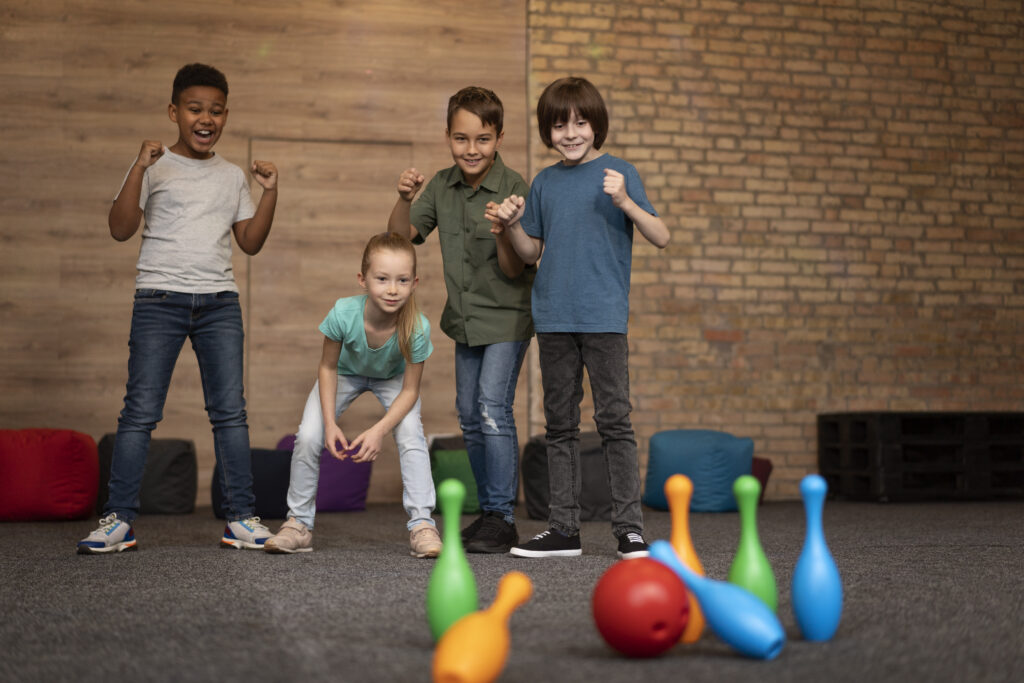
The Science of Play Breaks: How Short Movement Bursts Improve Attention
Introduction : Children’s brains are not designed for long periods of sitting and focus.
Short play breaks use movement to reset attention and help kids learn better.
In classrooms and homes alike, children are expected to sit still for long periods and focus on learning tasks. However, research shows that young brains are not designed for prolonged sitting. Instead, short bursts of movement known as play breaks can significantly improve attention, focus, and learning outcomes.
Play breaks are not distractions from learning. They are a scientifically proven tool that helps children reset their brains, regulate energy, and return to tasks with improved concentration.
What Are Play Breaks?
Play breaks are short periods of physical movement usually lasting 2 to 10 minutes inserted between learning or sedentary activities. These breaks can include:
The goal is not structured exercise, but brief, enjoyable movement that re-engages the brain.
The Brain Science Behind Play Breaks
Movement activates multiple areas of the brain simultaneously. When children move, blood flow and oxygen delivery to the brain increase, especially to areas responsible for attention and executive function.
Key brain benefits of play breaks include:
Increased dopamine, which supports motivation and focus
Improved communication between brain regions
Reduced mental fatigue
Better emotional regulation
Research shows that children who take regular movement breaks demonstrate improved on-task behavior, faster information processing, and stronger memory retention.
Why Sitting Too Long Reduces Attention
Extended sitting can overwhelm a child’s nervous system. As energy builds up with no outlet, attention naturally drops.
Common signs children need a play break:
Fidgeting or restlessness
Daydreaming
Irritability or frustration
Difficulty following instructions
Play breaks allow children to release excess energy and reset their focus naturally.
How Short Movement Bursts Improve Attention
1. Resetting the Nervous System
Movement helps shift children out of stress or boredom states and back into a calm, alert learning mode.
2. Improving Self-Regulation
Play breaks teach children to manage their energy levels, improving impulse control and emotional balance.
3. Enhancing Learning Readiness
After movement, children are more prepared to listen, process information, and stay engaged.
Even just 5 minutes of movement can significantly improve attention span.
Play breaks are effective in both educational and home environments.
At school:
At home:
Parents who include movement in daily routines often notice better cooperation and reduced screen dependency.
Long-Term Benefits of Movement-Based Learning
When play breaks become part of a child’s daily routine, the benefits extend beyond attention:
Stronger brain development
Improved academic performance
Better emotional regulation
Healthier relationship with movement
Increased confidence and self-esteem
Children who move regularly learn that movement supports learning, not interrupts it.
Conclusion
Books and worksheets have their place, but balance truly comes before books. Motor skills development lays the groundwork for successful learning, focus, and confidence in children.
At FitKid Club, we believe that movement is not a distraction from education it is an essential part of it. By prioritizing balance and motor skills, parents can help children thrive both academically and physically.
Join the world’s #1 Kids Fitness & Wellness Community.
✔ Designed for families everywhere
✔ Transform your child’s habits
✔ Reduce screen dependency
✔ Build confidence, energy, and lifelong wellness
Get your FREE consultation now:
➡ https://zfrmz.in/to4uqXcLgJjZF0iczDtI
Stay inspired with tips, workouts, and nutrition guidance for kids and families: